
Last updated November 25, 2026
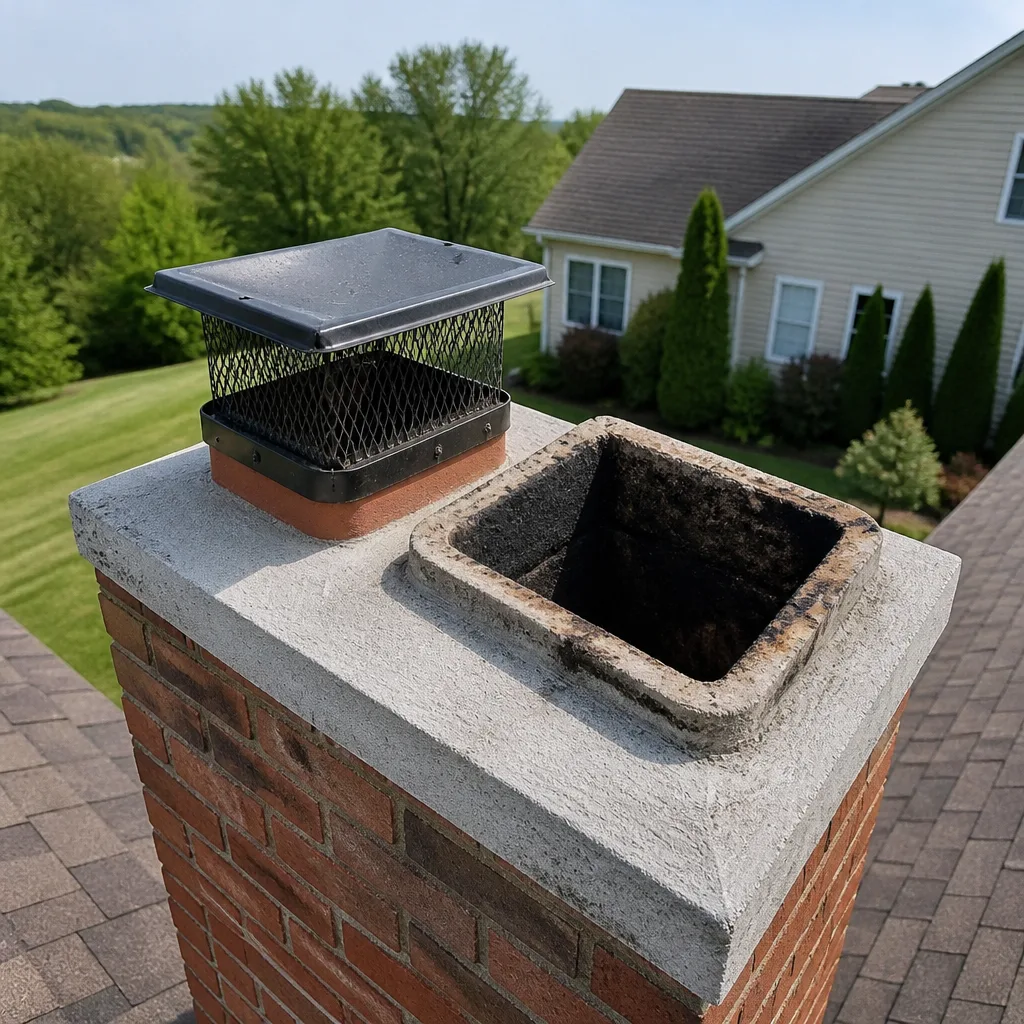 Sweep & inspection
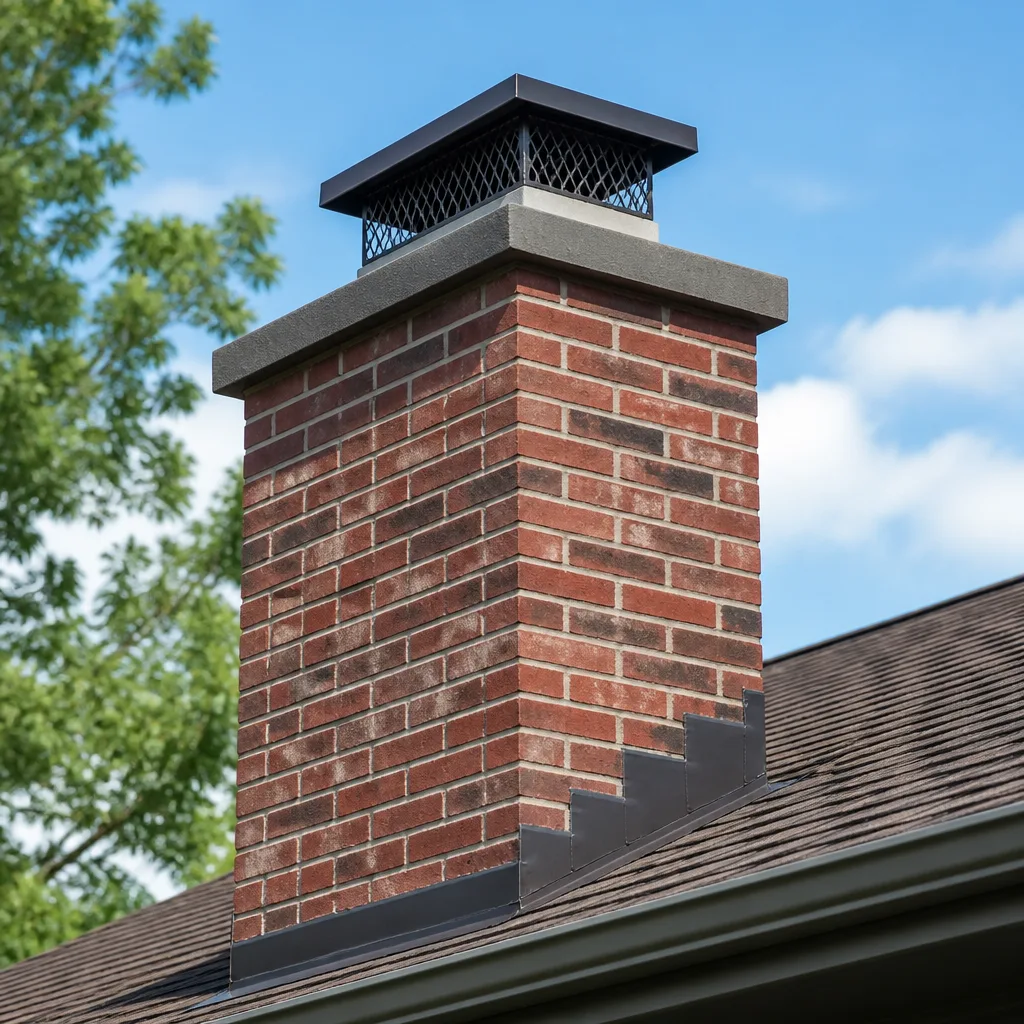 Caps & crowns
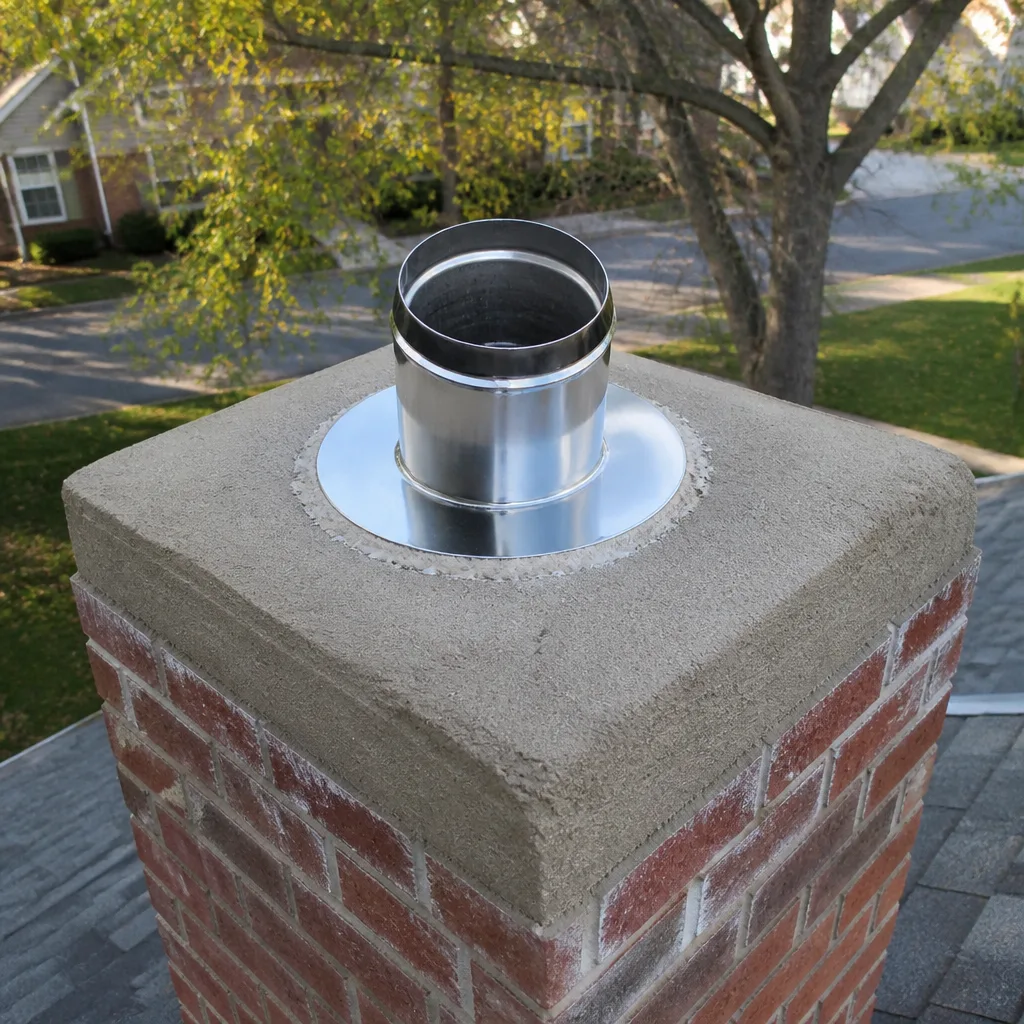 Flue relining
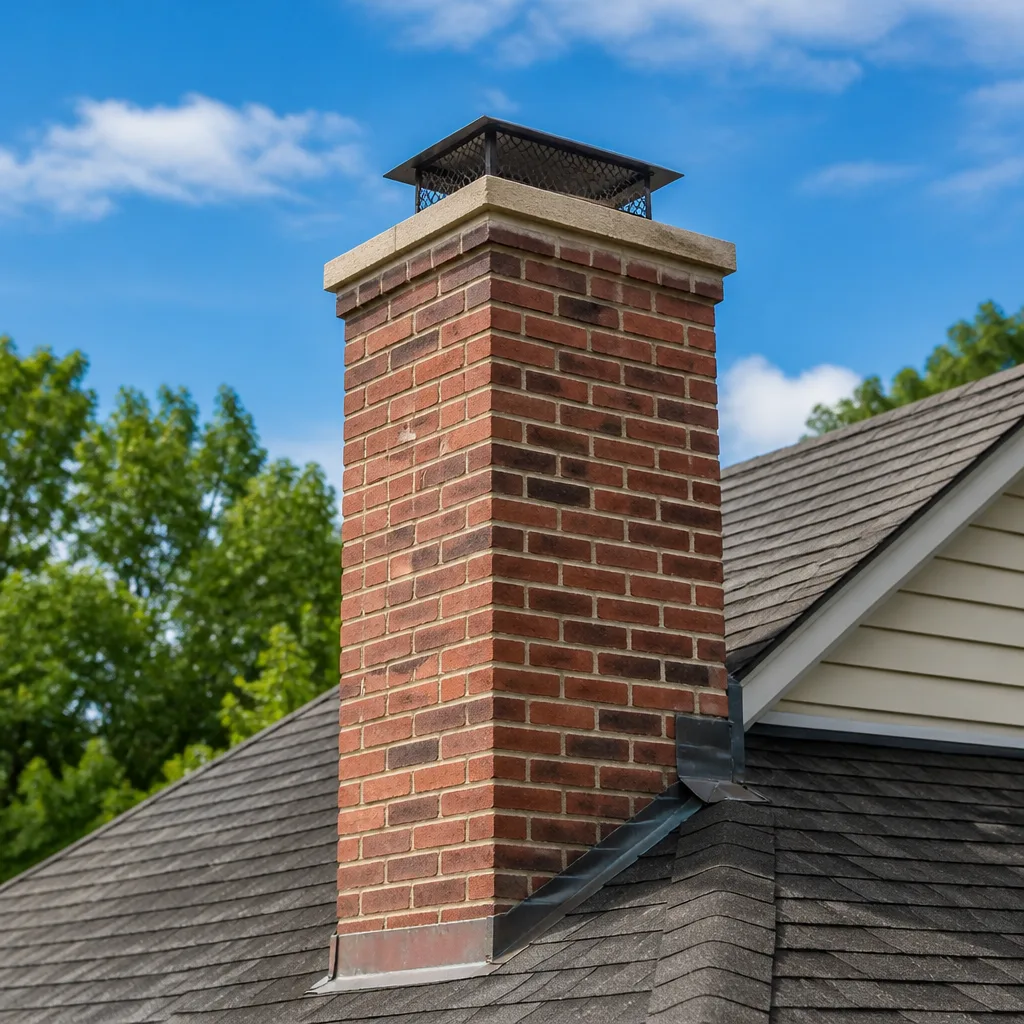 Masonry repair
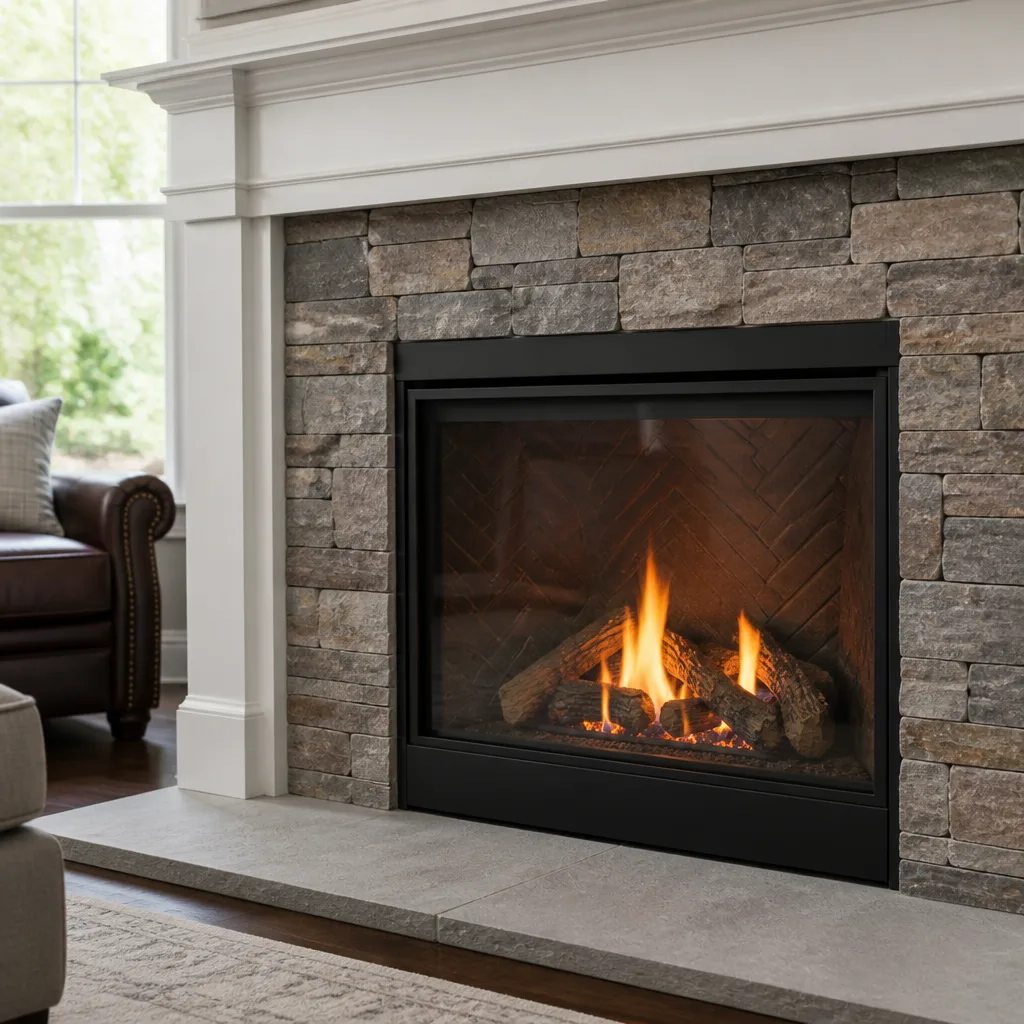 Gas fireplace service
Level 1 sweep and inspection to the NFPA 211 annual standard - flue, crown, cap, and flashing checked and photographed
Chimney sweep logs do not sweep chimneys. They loosen some creosote - which then falls where a brush and vacuum still have to collect it.
Chimney Cleaning Emergency Preparedness Guide for East Village Homes
A chimney fire doesn’t always sound like a fire. Sometimes it’s a low roaring sound, almost like a distant train, and an unusual smell while the fireplace appears to be burning normally. That gap between what people expect an emergency to look like and what it actually looks like is exactly where trouble hides. In East Village, where so many buildings are older and fireplaces have been converted, capped, or closed off over the decades, the warning signs are easy to miss until they aren’t. This guide covers what a chimney emergency actually looks like, how to respond in the first five minutes, how to spot a blockage before it becomes a problem, and why carbon monoxide deserves more attention than most homeowners give it. We’ll walk through the preparation side too, so you’re not learning any of this in the moment.
Quick Answer
A chimney emergency in East Village usually means one of three things: a chimney fire in progress, a sudden flue blockage, or carbon monoxide backing into the living space. The correct first response to a suspected chimney fire is to stop the fire from getting air, get everyone outside, and call 911. Blockages and CO concerns call for a shutdown of the appliance and a professional inspection before you burn again. Preparation before the season starts is what keeps any of these from escalating.
Styles & brands we work with
- Sweep & inspection
- Caps & crowns
- Flue relining
- Masonry repair
- Gas fireplace service
Table of Contents
- How to Recognize a Chimney Fire in Progress
- The First Five Minutes: Correct Response Sequence
- Sudden Blockages: Symptoms and Why You Don’t Burn Through Them
- Carbon Monoxide Risk in East Village Chimney Systems
- Post-Emergency Documentation and the Level 3 Inspection
- Prevention: Building a Response Plan Before You Need It
- East Village Seasonal Context: When to Act
- What to Keep on Hand
How to Recognize a Chimney Fire in Progress
Most chimney fires aren’t the dramatic flare-up people picture. Creosote fires, the most common type, burn inside the flue and can be surprisingly quiet. Knowing the signs means you can act in seconds rather than minutes.
- Sound: A low, rumbling roar is the classic sign. It can sound like a distant train, a deep humming, or even a slow crackling that doesn’t match the fire in the firebox.
- Smell: A sharp, hot, almost chemical smell is common. Some homeowners describe it as burning plastic or hot metal, which is very different from the smell of normal wood smoke.
- Visible smoke: Dark or black smoke coming from the top of the chimney, or from cracks in the masonry, is a serious sign. Smoke where smoke shouldn’t be is always worth investigating.
- Temperature: The stovepipe or chimney breast can get noticeably hot to the touch. Metallic components may discolor. In severe cases the wall around the chimney warms up.
- Puffing: Smoke or flames puffing back into the room, or visible flames from the chimney top, means the fire is already intense.
What makes chimney fires tricky is that they can self-extinguish. A small creosote fire may burn out before anyone notices, and the fireplace goes back to burning normally. That quiet fire still caused damage inside the flue, though. In our experience, the fires that get called in are usually the ones that were already burning for several minutes. Catching the signs early matters more than catching a dramatic flame.
If you’re unsure whether your flue is clean enough to burn safely, our chimney sweep service includes a camera inspection and a photo report. You see what we see, and you can decide from there.
The First Five Minutes: Correct Response Sequence
Here’s the sequence we recommend every East Village homeowner memorize. It applies to a suspected chimney fire in progress, and it doesn’t change based on whether the fireplace is wood or gas.
- Stop the fire from getting air. Close the glass doors on the fireplace or stove, and shut the firebox vents if you have them. Do not open them to look inside. Air feeds the fire, and opening the doors can make things dramatically worse.
- Get everyone out. Move family, guests, and pets outside to a safe distance. Do not go back in for belongings.
- Call 911. FDNY handles chimney fires. Even if the fire seems to be dying down, call. A chimney fire can spread into the structure, and only firefighters can confirm it’s fully out.
- Don’t spray water into the flue. Water on a hot flue can crack or shatter the liner and the surrounding masonry, turning a contained fire into a structural problem.
- Stay out until cleared. Do not re-enter the building until the fire department gives the all-clear.
When is it contained enough to skip the 911 call? Short version: rarely, and not something a homeowner can assess in the moment. If you saw smoke or flame where it shouldn’t be, heard the roar, or noticed the smell, treat it as a fire. The FDNY is the right call. If somehow nothing is visibly happening and you’re uncertain, shut down the appliance and call us at (844) 443-3695 to book an inspection before you burn again. We answer 24/7. Fast dispatch from 7am to 7pm, Sunday through Friday.
Sudden Blockages: Symptoms and Why You Don’t Burn Through Them
A blocked flue doesn’t announce itself with a fire. It announces itself with smoke where smoke doesn’t belong.
- Smoke spilling into the room on startup or while the fire is burning, especially when the draft was fine last season.
- A weak or sputtering draft that never quite gets going.
- Smells that aren’t smoke – animal waste, soot, or a damp, musty odor even when the fireplace is cold.
- A sudden change in how the fireplace behaves, like flames that won’t establish or a fire that struggles to stay lit.
East Village blockages come from three sources more than any other. Animal nesting – birds, squirrels, and raccoons – is the most common. Debris, meaning leaves and twigs blown into an uncapped flue, follows close behind. And older systems sometimes have liner material that has cracked or collapsed inward, narrowing the flue or blocking it entirely.
Why is operating through a blockage dangerous? Because the appliance is producing combustion gases faster than the flue can expel them, and those gases have to go somewhere. If the flue is blocked, the gases come back into the room. That’s carbon monoxide. More than one case of CO poisoning traced back to a chimney has turned out to be a blocked flue nobody noticed.
The safe move when you suspect a blockage is to stop using the fireplace or the appliance immediately, and call for an inspection. A camera inspection makes the blockage visible and tells you exactly what you’re dealing with before anything else gets spent. Our team can inspect, and if repair is needed, we can quote it on the same visit. You can read more about that scope on our chimney repair page.
Carbon Monoxide Risk in East Village Chimney Systems
Carbon monoxide intrusion from a chimney happens through a mechanism called backdrafting, and it’s a real risk in buildings with tightly sealed modern windows and older flues that were never resized for the appliance in use.
Here’s how it works in plain terms. A chimney relies on warm air rising up the flue to pull combustion gases with it. Anything that interferes with that upward pull pushes gases the other way. A liner breach lets gases escape into the masonry and then into the building. A blocked flue pushes gases back down. Negative pressure from a modern kitchen exhaust fan, a bathroom fan, or a tightly weather-sealed apartment can overwhelm a weak draft and pull gases into the room.
What many East Village homeowners don’t realize is that this risk doesn’t disappear when a fireplace is converted to gas. A gas fireplace venting into a flue that was sized for a wood fireplace can be badly out of proportion. Gas produces moisture and combustion byproducts that need proper venting too, and a flue that’s too large for the appliance means the exhaust cools before it reaches the top and hangs in the flue instead of rising out. In our experience, these conversions are one of the most overlooked CO sources we find.
What to do:
- Install a carbon monoxide alarm on every level of the home and in sleeping areas. Test the batteries on a schedule you’ll remember.
- Never ignore a CO alarm. Get everyone out and call 911, then follow up with an inspection.
- Have your chimney inspected before the first cold snap every season, especially if the appliance was recently converted or the boiler or water heater ties into the same flue.
- Ask about a camera inspection. Seeing the flue on camera is the only reliable way to know whether there’s a liner breach or blockage inside the masonry.
A capped, sealed, and correctly sized flue top does a lot of the prevention work before any CO risk develops. Our chimney cap & crown service exists exactly for that: keeping water, debris, and wildlife out of the flue before the damage happens, not after.
Post-Emergency Documentation and the Level 3 Inspection
After any chimney fire, the correct next step is a Level 3 inspection, which is the diagnostic inspection that goes beyond the flue and into concealed areas – specifically into the attic, the framing, and any space behind or beside the chimney. It’s the level that finds damage a Level 1 or Level 2 inspection can’t see.
Why does this matter with an insurance claim? Because insurers want documented evidence of the damage before they’ll approve repairs. A Level 3 inspection with photographs of the fire damage, the condition of the flue liner, and the condition of the surrounding framing is what gets a claim moving. If the damage isn’t documented properly, the claim can stall or come back as a partial approval.
What you should have on hand after a chimney fire:
- A written inspection report from a trained technician
- Photographs of the flue interior, the firebox, the chimney exterior, and any damaged framing
- The fire department’s incident report, if you have it
- Your copy of the inspection that was done before the fire, if you have one, to establish the prior condition
- Purchase records for the appliance, if it’s gas
Here’s where our scope matters for this step. We can perform the inspection, document the findings with camera evidence you can see, and then handle the repair in-house. The findings and the repair aren’t separated by a contractor handoff, which is what insurance companies want to see – one technician documenting and one to fix. If the repair involves relining, we specify materials from names like DuraFlex and Olympia Chimney. If the masonry around the firebox was damaged, we can resurface with HeatShield, which is manufacturer-backed and applied by a trained technician, not outsourced.
Prevention: Building a Response Plan Before You Need It
Preparedness is the part most East Village homeowners skip, and it’s the part that actually changes the outcome.
- Write down the emergency sequence. Tape a short note near the fireplace or on the fridge: shut the doors, get everyone out, call 911, don’t open the doors to look. Simple, printed, and available when adrenaline makes thinking hard.
- Keep a fire extinguisher rated for wood fires within reach. Have it checked or replace it on a schedule – expired extinguishers don’t do much.
- Test your carbon monoxide alarms before the season starts. Put the test on your calendar so it happens without thinking.
- Book a sweep before the first burn. Creosote builds up over a season and stays in the flue year-round. A pre-season sweep is the single highest-value prevention step for a wood-burning fireplace.
- Get a cap and crown inspection. A missing or damaged cap is the most common way a flue becomes a wildlife home, and a cracked crown is the most common way water gets into masonry.
- Keep an inspection record. Even a one-line note per season helps if you ever need to file a claim or sell the property.
- Learn what a normal draft feels like. If you know your fireplace’s normal behavior, a change is obvious. If you don’t, it isn’t.
Two of these are the highest-impact: a pre-season sweep and a cap and crown check. Everything else is support. If your chimney system hasn’t had a proper inspection in the last couple of years, that’s the first call. Our Chimney Sweep East Village team handles inspections, sweeps, repairs, cap and crown work, and fireplace restoration as one scope from one team.
East Village Seasonal Context: When to Act
The right window for chimney work in East Village is before the first real cold snap, not during it. Here’s why the timing matters here more than in most places.
East Village fireplaces are often in older buildings with shared chimneys, and getting access for an inspection or repair during peak heating season can mean coordinating with a building’s management or scheduling around neighbors. Booking in the late summer or early fall avoids the peak scheduling crunch and gives you a real window to fix what the inspection finds before you actually need the fireplace to work.
What we see across East Village neighborhoods is consistent: several seasons pass between inspections without anyone noticing, because the fireplace doesn’t complain. When the cold sets in and the fireplace gets lit for the first time, that’s when the issues surface. A bird’s nest that moved in over the summer, a liner crack that started in the spring storm season, a crown that cracked from freeze-thaw over the winter. Cold-season emergencies are rare, but they’re predictable, and the inspection is what makes them visible before the weather changes.
If you haven’t booked a sweep this year, our chimney sweep service includes the camera check that surfaces most of what you’d want to know before winter.
What to Keep on Hand
A short preparedness folder lives in a drawer. It doesn’t need to be elaborate. Ours has five items:
- Contact for your chimney professional (that’s us: (844) 443-3695)
- Your most recent inspection report and any photographs
- The appliance manual or the model name and year of install
- The fireplace emergency sequence note, one copy at home and one on the fridge
- Carbon monoxide alarm test records – even a note with the last test date
If you don’t have these, the inspection is where you start. We bring the camera, the photos, and the report. You bring nothing but access to the fireplace.
Common Mistakes to Avoid
- Waiting for a dramatic sign before calling. A chimney fire can self-extinguish and go unnoticed. Smoke where it shouldn’t be, a smell that isn’t quite wood smoke, or a draft that’s changed are all worth a call before anything dramatic happens.
- Opening the firebox doors to check. If there is a chimney fire in the flue, opening the doors feeds it air. In an emergency the doors stay closed, and everyone leaves the building.
- Spraying water into the flue. Water on a hot flue is one of the fastest ways to crack masonry and liner material, turning a contained fire into a structure problem.
- Burning through a suspected blockage. If the draft is weak, if smoke spills into the room on startup, or if there’s an odd smell, stop burning. A blocked flue sends carbon monoxide back into the room.
- Skipping the CO alarm because the fireplace is gas. A gas-converted fireplace venting into an oversized older flue is one of the most overlooked CO sources we find in East Village.
- Not documenting the inspection. Without a written report and photos, an insurance claim after a chimney fire is much harder to move. The report is the evidence.
- Hiring a sweep who reports but doesn’t repair. If the sweep can’t fix what they find, you’re back to hiring someone else. Single-source accountability means one call does the whole job.
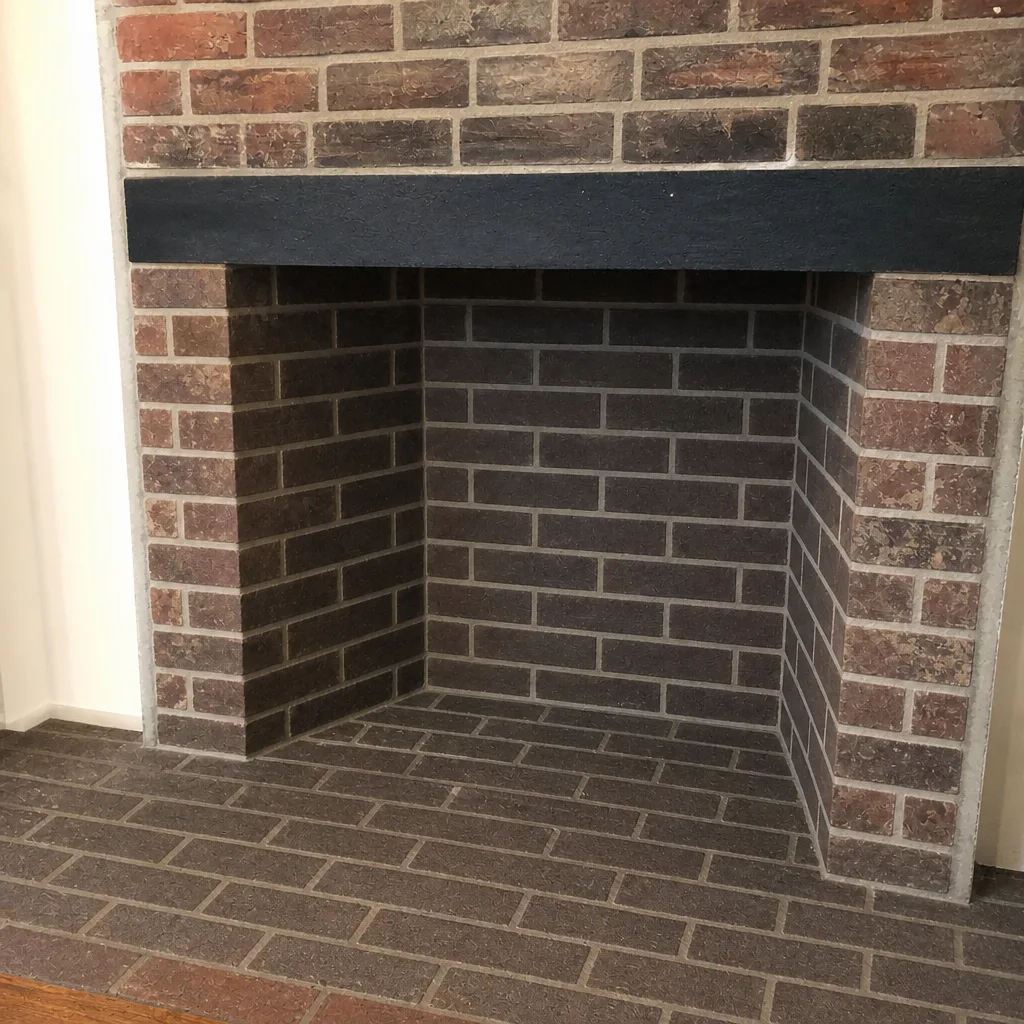
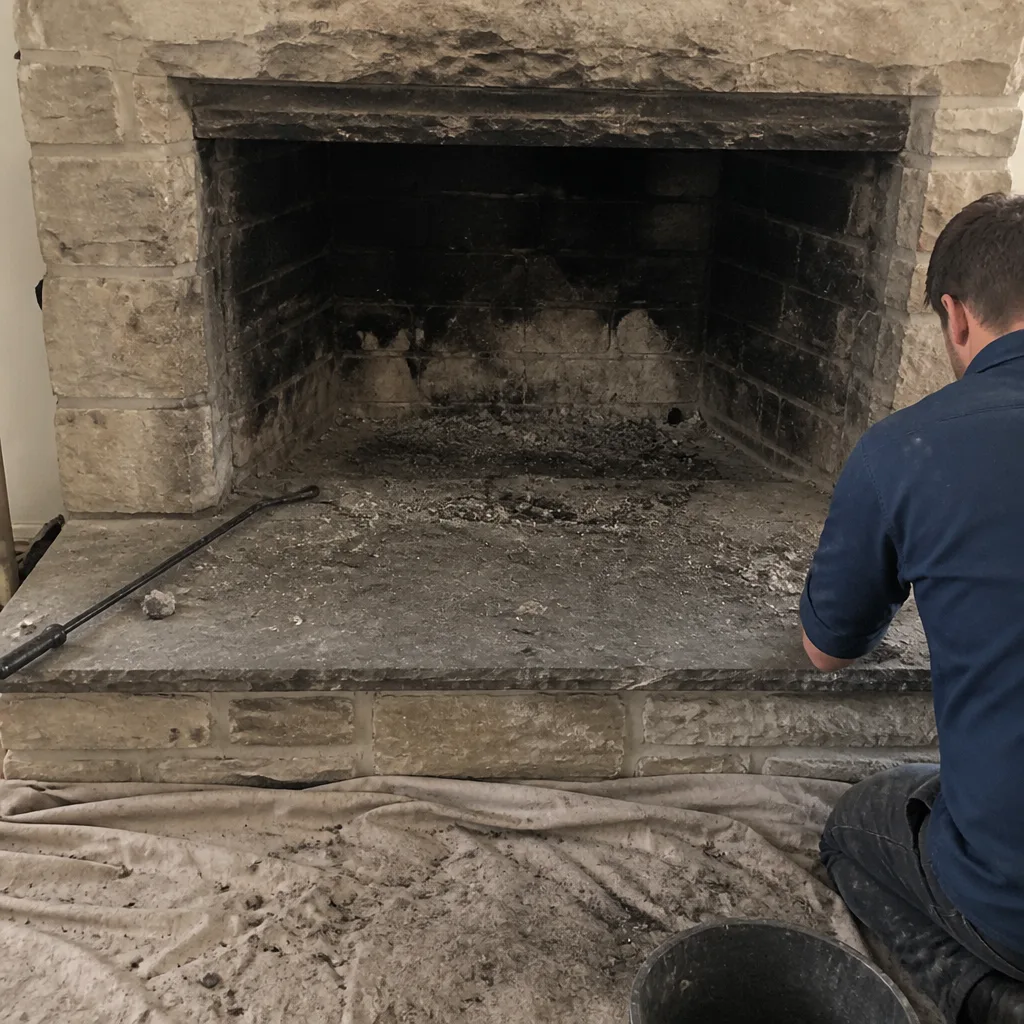
See the difference
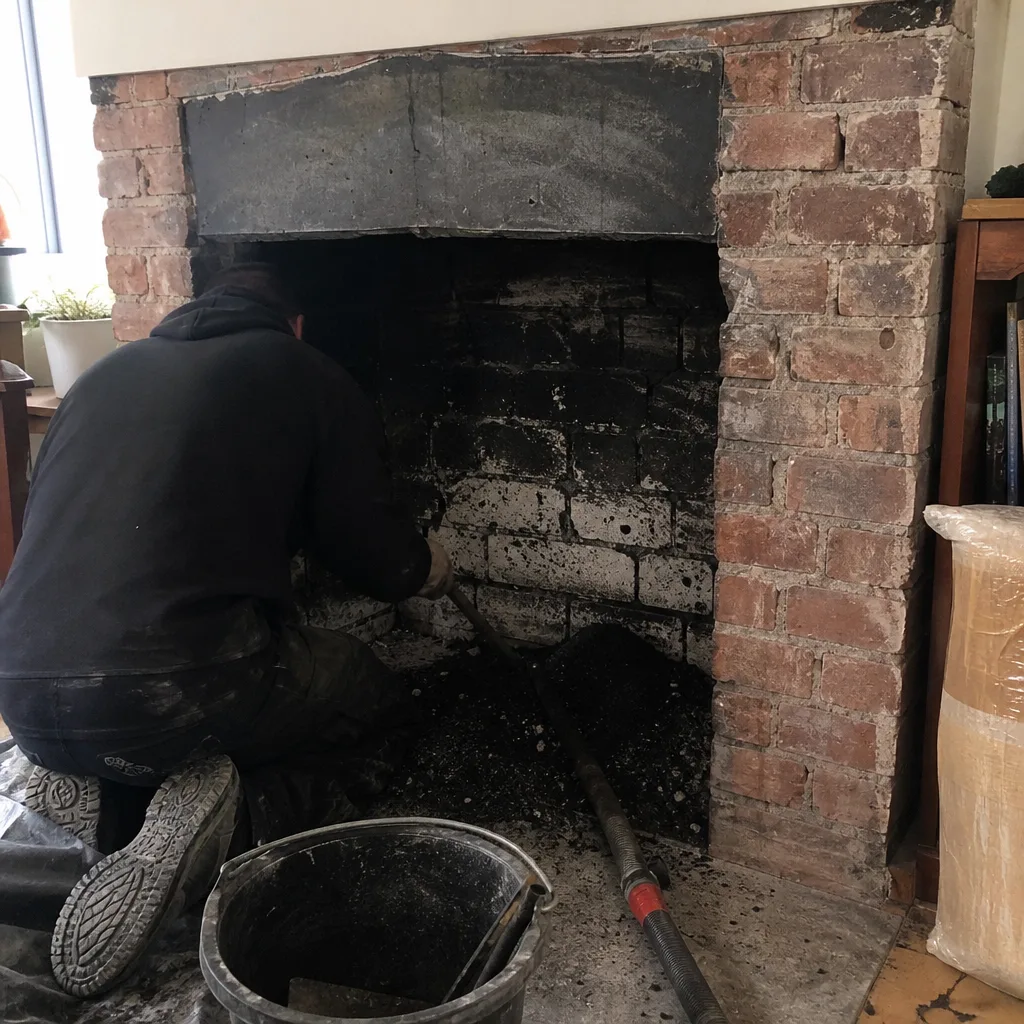 Before
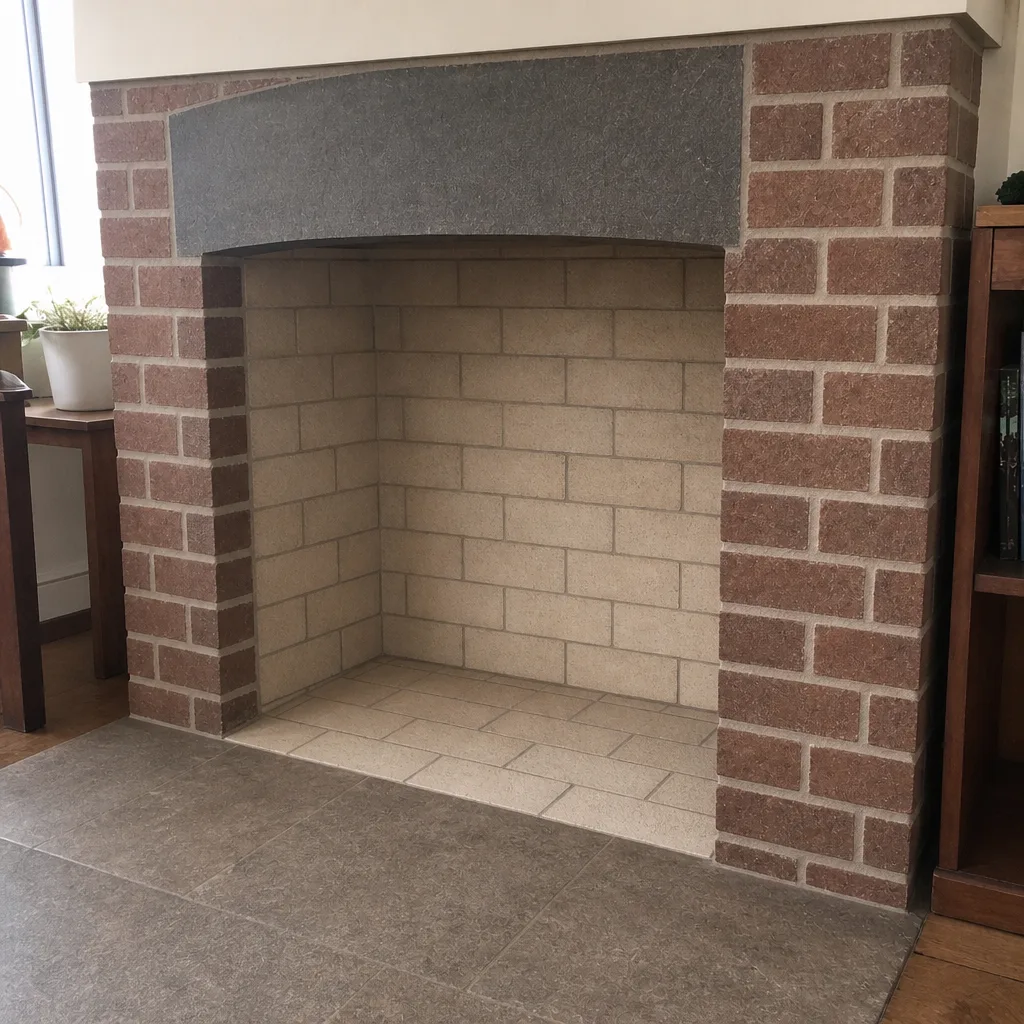 After
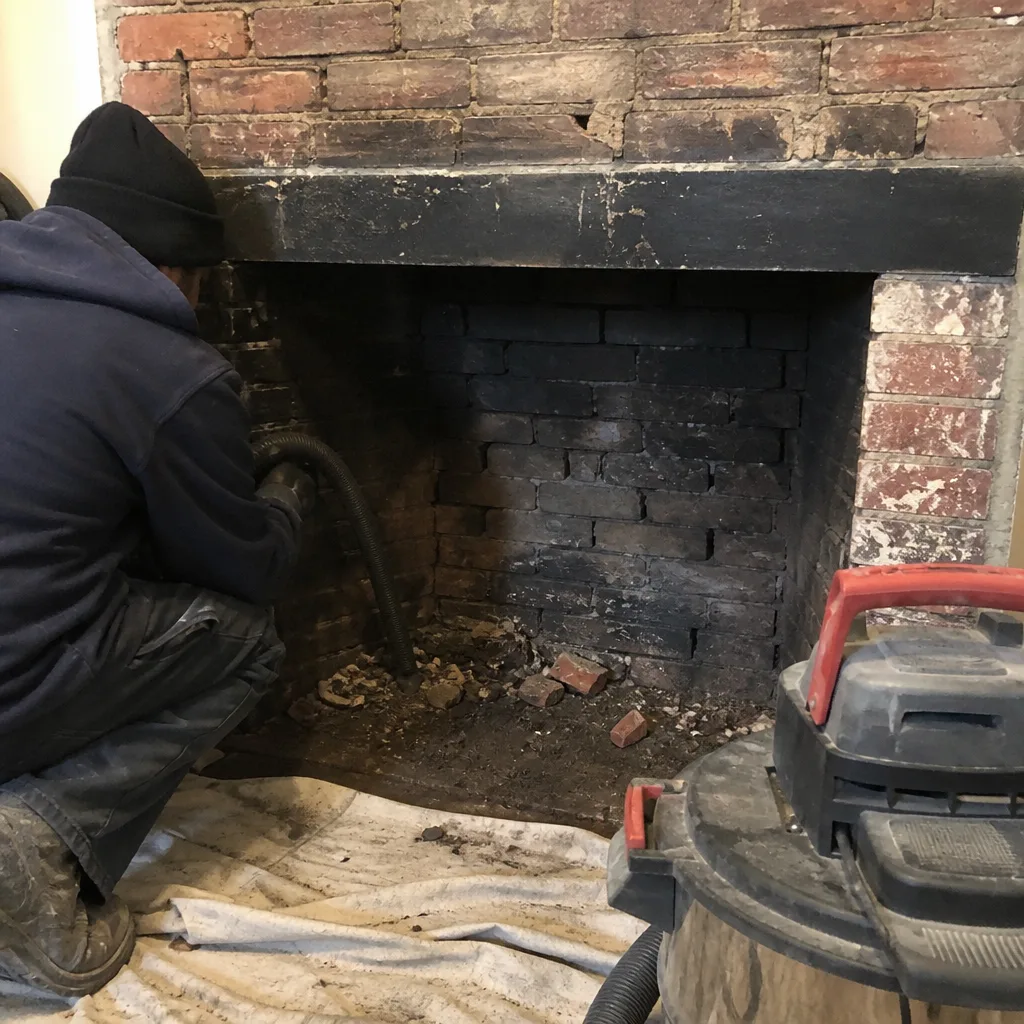 Before
 After
 Before
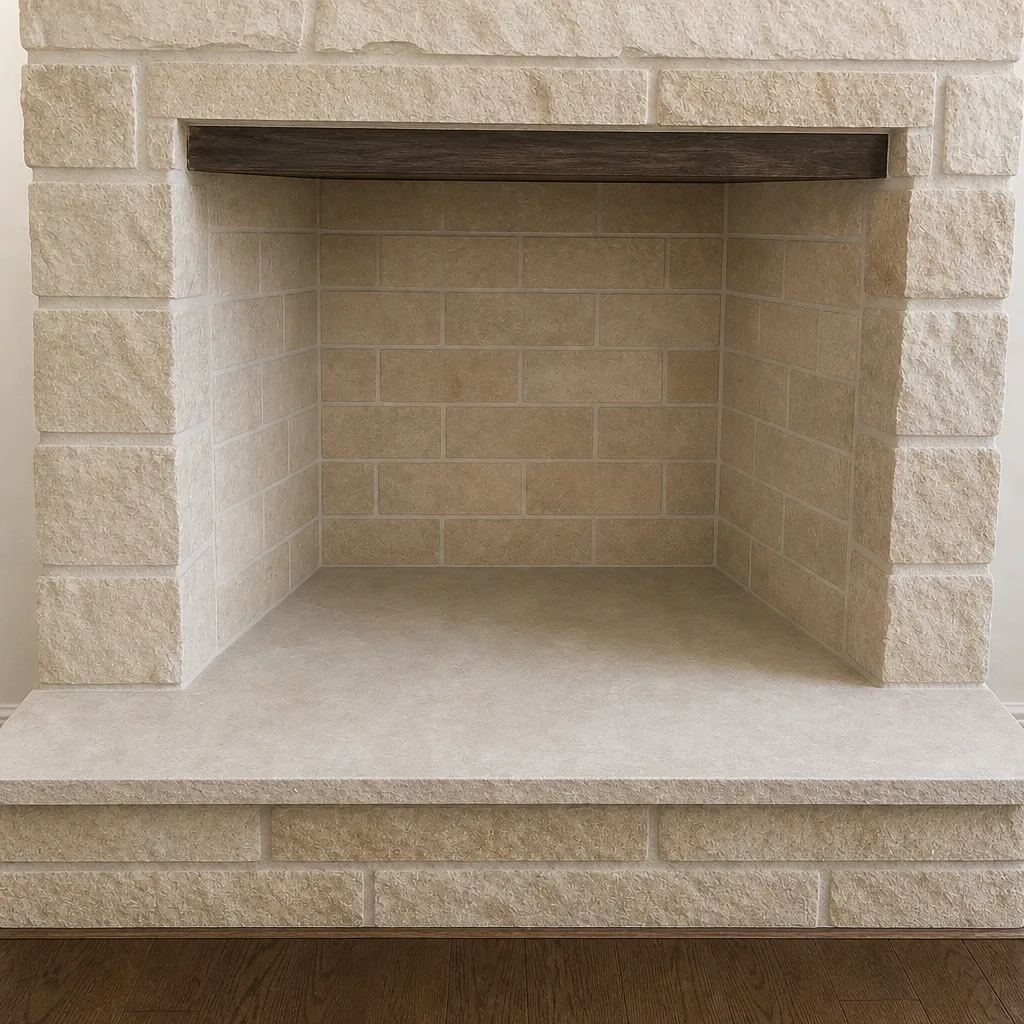 After
When to Call a Professional
Call us if any of these is true: you’ve seen or smelled something at the fireplace that didn’t seem right, you suspect a blockage from animal activity or debris, your CO alarm has gone off (after you’ve called 911 and gotten everyone out), the fireplace was recently converted from wood to gas, you can’t remember the last inspection, or you’re preparing to sell and need documentation. Any of these is a real reason to book an inspection. Nothing you’ve read here is worth doing yourself on the flue side: chimney liners, flue interior work, masonry, and gas appliance work all carry real risk and belong to a trained technician. Chimney Sweep East Village offers free estimates in East Village. Call (844) 443-3695. We answer 24/7. Fast dispatch from 7am to 7pm, Sunday through Friday.
Frequently Asked Questions
You may have had a chimney fire if you heard a low roaring sound inside the flue, noticed an unusual hot or chemical smell, saw dark smoke from the chimney top, or if a neighbor noticed smoke or flames from your chimney roof. Many chimney fires self-extinguish and leave damage that only a camera inspection can see. An inspection is the only reliable way to confirm. Call (844) 443-3695 for an exact quote – estimates are free.
Yes, and that’s actually the most common scenario. A small creosote fire can burn out before anyone notices, and the fireplace goes back to burning normally. The fire can still crack the liner, warp metal components, or damage the masonry around the flue. A Level 3 inspection is what confirms whether the flue is still safe to use.
Because the venting was designed for wood, not gas. A flue that’s too large for a gas appliance means the exhaust cools before it exits and hangs in the flue. Combined with a liner breach or a blocked flue, that exhaust can come back into the room. CO alarms on every level and a camera inspection before each season are the practical defenses.
No. A blocked flue sends carbon monoxide back into the room, and there’s no reliable way to know from inside how complete the blockage is. Shut the appliance down and book an inspection before burning again. Call (844) 443-3695 – estimates are free.
A Level 3 inspection goes beyond the flue and adds the concealed areas: the attic, the framing, and any space behind or beside the chimney where fire damage can be present without being visible from the fireplace. It produces the photographs and report that insurance companies need before they’ll approve repairs.
At least once a year, ideally before the first burn of the season. If the fireplace is used heavily or the appliance was recently converted, a pre-season inspection is more important, not less. If you’re not sure when the last one was, book an inspection before you light it again.
The Bottom Line
Chimney emergencies in East Village are rare, but they’re predictable, and the homeowners who handle them best are the ones who understood the warning signs and knew what to do before anything happened. Three things carry most of the weight: recognize the signs of a chimney fire (the roar, the smell, the smoke that isn’t normal), commit the first-five-minute response to memory (doors shut, everyone out, call 911, don’t spray water), and never burn through a suspected blockage or ignore a smoke or CO signal. Then prepare before the season, not during it: a sweep, an inspection with camera evidence, and a cap and crown check. Everything else is detail.
If you’re ready to book a prep inspection, or you’re not sure where your chimney system stands, call us. We’ll tell you plainly what we find, show you the photos, and tell you what can safely wait and what can’t. Chimney Sweep East Village handles the full chimney system – from the firebox to the crown. Call (844) 443-3695 for a free estimate. We answer 24/7. Fast dispatch from 7am to 7pm, Sunday through Friday.
Written by the team at Chimney Sweep East Village.