
Last updated November 25, 2026
 Sweep & inspection
 Caps & crowns
 Flue relining
 Masonry repair
 Gas fireplace service
Level 1 sweep and inspection to the NFPA 211 annual standard - flue, crown, cap, and flashing checked and photographed
Chimney sweep logs do not sweep chimneys. They loosen some creosote - which then falls where a brush and vacuum still have to collect it.
Chimney Sweep Maintenance Checklist for East Village Homeowners
Most chimney maintenance advice focuses on the firebox, the part of the system you can actually see. The parts that fail first in East Village rowhouses are the ones nobody photographs: the damper that no longer seats, the smoke chamber with its corbelled walls, and the liner that’s been quietly degrading behind the masonry. A routine sweep tells you the flue is dirty. It rarely tells you the crown has a hairline crack or that the smoke shelf is packed with debris from a decade of deferred cleaning. This guide gives you a component-by-component checklist built around what actually goes wrong in this housing stock, plus the visit-by-visit log that protects you at resale or when you file a claim. East Village homeowners can use it to check the visible parts themselves and know exactly what to ask a professional to document.
Quick Answer
A proper chimney maintenance checklist for an East Village home covers seven components: firebox, damper, smoke shelf, smoke chamber, flue liner, crown, and cap. Homeowners can visually check the firebox, damper operation, and cap from the ground or a window; the liner, smoke chamber, and crown require a professional with a camera. Schedule a pre-season inspection and sweep before the heating season begins and a post-season check after the last fire, and log both visits.
Styles & brands we work with
- Sweep & inspection
- Caps & crowns
- Flue relining
- Masonry repair
- Gas fireplace service
Table of Contents
- The Seven-Component Chimney Checklist
- What You Can Check Yourself vs. What Needs a Camera
- Checklist Items Specific to East Village Attached Homes
- Pre-Heating-Season Checklist
- Post-Season Checklist
- What to Log After Every Service Visit
- How Often Should an East Village Chimney Be Swept?
- What Chimney Maintenance Costs in East Village
The Seven-Component Chimney Checklist
A chimney is a system, not a tube. Each component does a specific job, and each one fails in a recognizable way. Here’s what to check, in order from the fire up.
- Firebox. Look for cracked or spalling firebrick, deteriorated mortar joints, and gaps where the firebox meets the surrounding masonry. In East Village rowhouses, fireboxes are often original to the building, which means decades of heat cycling. Failure looks like loose brick, white efflorescence on the brick face, or mortar that crumbles when touched with a screwdriver.
- Damper. The damper should open and close smoothly and seat flush when shut. A damper that sticks, rattles, or leaves a visible gap when closed is letting conditioned air escape year-round and smoke back into the room during burns. Failure looks like rust on the damper plate, a broken hinge pin, or a plate that won’t lie flat.
- Smoke shelf. This is the horizontal ledge just above the damper. It’s supposed to redirect downdrafts back up the flue. When it fills with debris, soot, or a bird’s nest, the chimney smokes into the room. It’s a spot most sweeps skip and almost no homeowner thinks to ask about.
- Smoke chamber. The corbelled funnel between the damper and the flue. Its angled walls are notoriously hard to clean without a dedicated tool, and rough or soot-caked chamber walls are a common cause of slow smoky fires. Failure looks like heavy creosote buildup on the corbelling or crumbling mortar between the corbel courses.
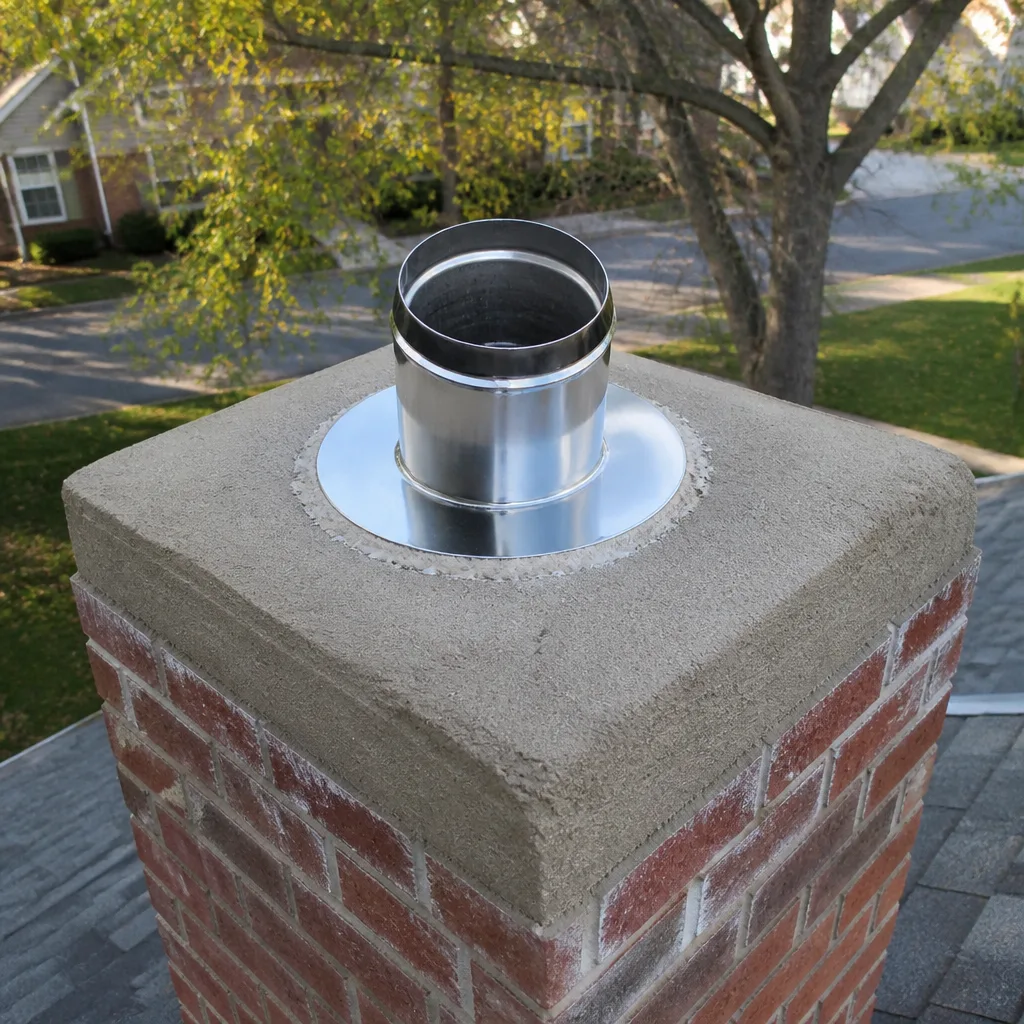
- Flue liner. The clay tile or stainless liner that carries exhaust up and out. Cracks, gaps at the joints, and spalling tile mean the flue is no longer contained. This is the component a camera inspection exists for. In our experience, liner condition is the single most common surprise in older East Village buildings.
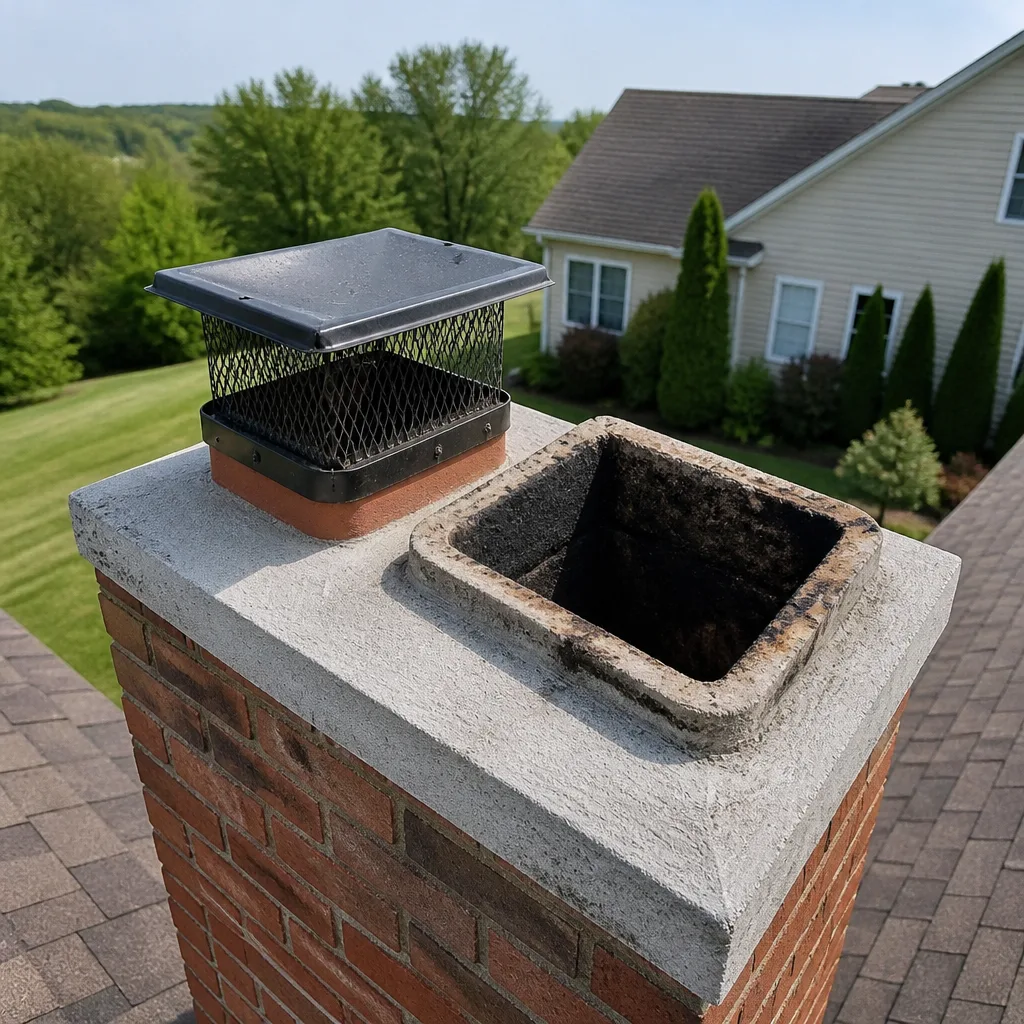
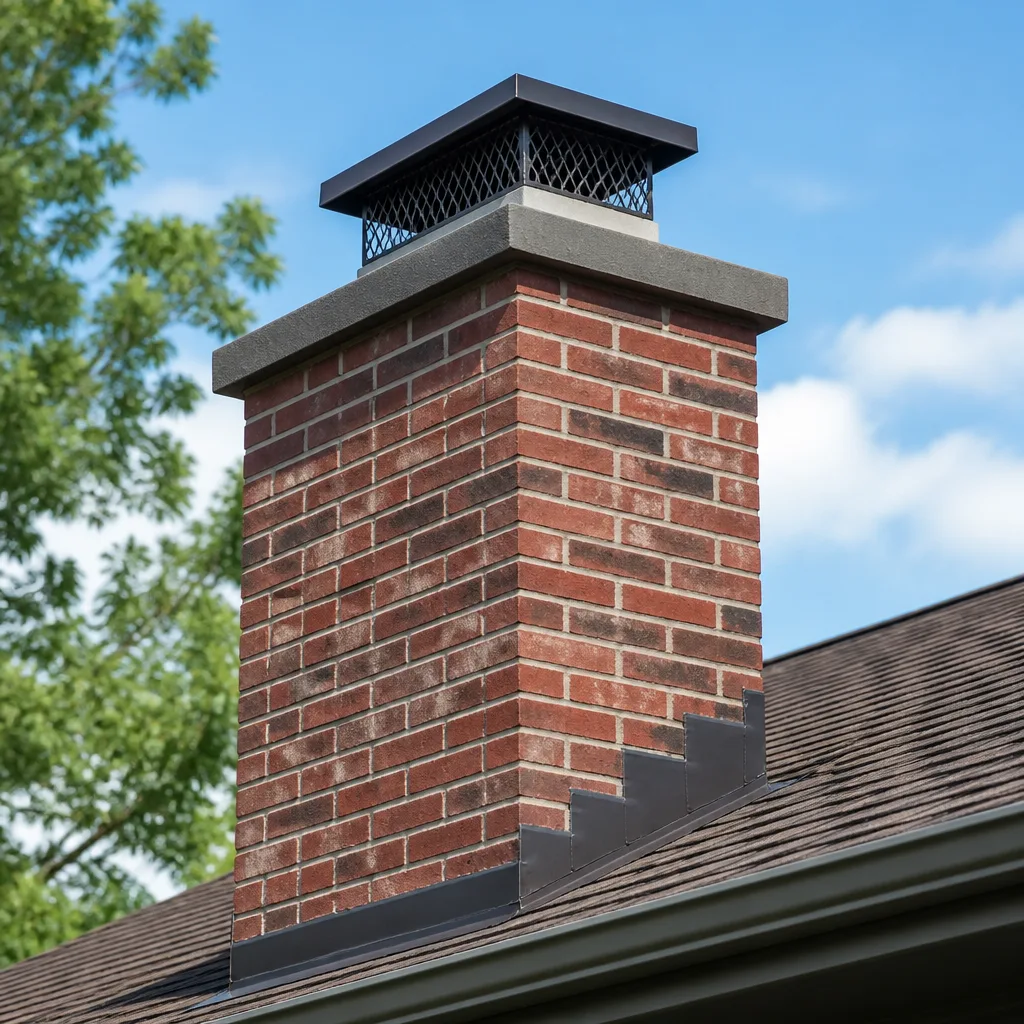
- Crown. The concrete or mortar cap at the very top of the stack that sheds water away from the masonry. Failure looks like visible cracks, a crown pulling away from the flue tile, or a crown that has gone spongy. A failed crown is how water gets into the chimney in the first place.
- Cap. The metal or masonry cover over the flue opening. It keeps rain, birds, and squirrels out. A missing or damaged cap is a direct path into the flue. See our page on chimney cap & crown for what a correct installation involves.
Every one of these components is something we address on a single visit. We handle the full chimney system, from the firebox to the crown, so a checklist item that turns up a problem doesn’t become a handoff to a second contractor.
What You Can Check Yourself vs. What Needs a Camera
Some of this checklist is homeowner work. Some of it genuinely requires a professional, and pretending otherwise is how people miss liner cracks for years. Here’s the honest split.
What a homeowner can verify visually
- Damper operation. Open and close it by hand. It should move without force and seat flat. You can feel a gap with a dollar bill test at the closed plate.
- Firebox condition. A flashlight and a look for cracked firebrick and crumbling mortar. Don’t chip at anything, just observe.
- Cap presence. From the ground or a window, look at the top of the stack. If you can see the open flue tile, there’s no cap or it’s damaged.
- Exterior brick at the stack. From the street or a rear window, look for white staining, spalling brick faces, or a leaning stack.
- Smoke behavior. A fire that consistently spills into the room rather than drafting up is a symptom worth reporting.
What requires a professional with a camera
- Flue liner integrity. You cannot see past the first few feet of a flue from the firebox, and joint gaps in clay tile only show up on camera.
- Smoke chamber and smoke shelf. Access is from above the damper. A camera is how a sweep documents what’s actually happening up there.
- Crown condition. Hairline cracks and separation between crown and flue tile require close inspection from the roof.
- Creosote stage and thickness. The difference between a light soot glaze and glazed third-stage creosote changes the cleaning method entirely.
Camera inspection and a photo report should be included in your service visit, not sold as an add-on. Ask for that in writing before booking a chimney sweep, because a sweep that cleans but doesn’t document the flue has only done half the job.
Checklist Items Specific to East Village Attached Homes
East Village rowhouses and tenement conversions share walls, and that changes the maintenance picture. A chimney problem in one unit isn’t always contained to that unit, and the exterior brick at the stack on a shared building fails differently than a freestanding house would.
- Shared-wall party chimney condition. Many East Village buildings have chimneys that serve more than one unit or sit against a party wall. If you’re in a co-op or condo, establish which flue is yours before any work is scheduled. Ambiguity here is how owners pay for a neighbor’s liner.
- Roof penetration at the stack. Where the chimney meets the roof, the flashing seal and counterflashing condition matter. On older attached buildings, roofline changes between units often mean the flashing was patched rather than replaced. Water staining on the ceiling near the chimney is a symptom worth flagging to the inspector.
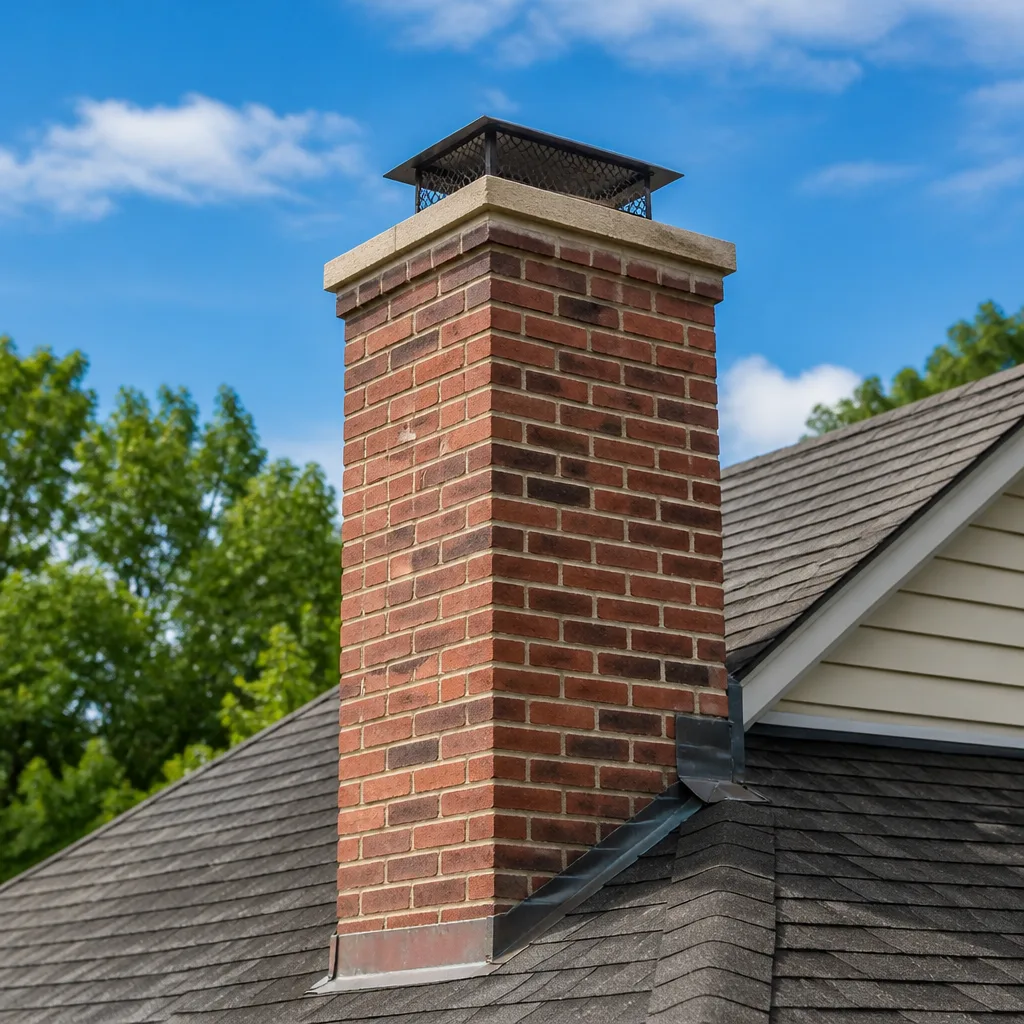
- Exterior brick spalling at the stack. Spalling is when the brick face flakes or pops off, usually from freeze-thaw cycling and moisture getting behind the masonry. You’ll see it as brick faces missing, white efflorescence, or a stack that looks shaggy from the street. New York winters do this to unprotected stacks, and once the brick face is gone, the masonry absorbs more water every year.
- Interior moisture mapping. Check the ceiling and wall near the chimney after a heavy rain. Persistent dampness points to a crown or flashing problem, not a flue problem, and treating it as a flue issue wastes money.
On the material side, repair work in these buildings often calls for a stainless liner suited to the flue geometry and a crown built to shed water properly. We specify professional-grade materials for this, including Olympia Chimney and Gelco, because the wrong product on an existing masonry flue is a repair that fails in a few winters.
Pre-Heating-Season Checklist
The pre-season visit, done in late summer or early fall before the first fire, is the one that prevents surprises. Here’s what belongs on that list.
- Schedule a full inspection and sweep. Block the appointment before the first cold snap, when schedules fill.
- Test the damper. Confirm it opens fully and closes flat. Have any sticking or rust addressed now, not mid-winter.
- Inspect and clean the firebox. Remove ash to the proper level (leave a small bed if you use a wood fire, empty it fully if gas), check firebrick and mortar.
- Confirm the cap is present and secure. Reattach or replace a loose cap before wildlife season.
- Look at the crown. Cracks and separation should be repaired before the freeze-thaw cycle starts.
- Run a camera inspection of the flue. Document liner condition and creosote stage with photos.
- Test smoke and carbon monoxide detectors. A working CO detector near the hearth is a checklist item, not an accessory.
- Check the draft. A small test fire tells you whether the smoke shelf and smoke chamber are doing their job.
Notice that the pre-season list is mostly about prevention. The sweep is the entry point, but the value is in catching crown cracks, cap damage, and liner issues before the heating season starts and before cold weather turns a small repair into a bigger one. That’s the same preventive-first approach behind our chimney repair work: stopping water and wildlife intrusion before damage escalates costs far less than fixing the fallout later.
Post-Season Checklist
The post-season visit, done after the last fire of the year, is a different list. Its job is to see what winter did and get ahead of summer moisture.
- Sweep the flue. Creosote that sat all winter is a fire risk sitting in the chimney all summer. Clean it before the off-season.
- Check for creosote glaze. Glazed creosote doesn’t come off with a brush alone. Have the stage documented.
- Inspect the crown again. Freeze-thaw cycles crack crowns that looked fine in autumn. A new crack found now is a cheap repair found now.
- Look at the cap after storm season. Wind and nesting damage show up in spring.
- Check the firebox and damper for winter wear. Heat cycling and moisture both leave marks.
- Look at exterior brick for new spalling. Compare against the photos from the pre-season visit.
- Log everything. Post-season photos are what let you show a buyer or an insurer what changed and when.
Two visits, two different lists. Treating them as the same appointment is how you end up missing a crown crack that opened in February but wasn’t looked for until the following autumn.
What to Log After Every Service Visit
A maintenance log turns a series of visit receipts into an evidence file. On older East Village buildings, that file matters at resale, in an insurance claim, and when you need to prove that the chimney was serviced and the liner condition documented before a loss.
- Date and service performed. Sweep, inspection, cap install, repair, whatever was done.
- Camera photos of the flue. Every visit, ideally at the same reference points so you can compare.
- Creosote stage and thickness. Note whether the liner showed light soot, glazed creosote, or was clear.
- Liner condition findings. Cracks, joint gaps, spalling, or clear.
- Crown and cap condition. Photo plus a one-line note.
- Damper and firebox findings. Anything flagged, anything deferred, anything repaired.
- The written estimate. Keep the one that set the price for any repair, because that’s the record of what was recommended and why.
Documented condition history does two things. It shows a pattern of maintenance when a buyer or a home inspector asks, and it gives an insurer a factual baseline of the chimney’s condition before a claim. A sweep that cleans and leaves without a photo report generates a receipt, not a history. Ask for the photos on the way out.
How Often Should an East Village Chimney Be Swept?
Most wood-burning chimneys need a sweep once a year, and a camera inspection at the same visit. Gas fireplaces need an annual inspection even though they produce less soot, because the failure mode is different: flue liner and venting integrity rather than creosote load.
There are situations where once a year isn’t enough. If you burn wood heavily through a New York winter, if you burn unseasoned wood or softwood, or if the post-season visit found glazed creosote, a mid-season check is worth scheduling. The other trigger is behavioral: a fire that suddenly smokes where it didn’t before, a damper that sticks, or a smell coming from the chimney in warm weather all warrant a look before the annual visit.
Houses on shared flues in East Village co-ops sometimes need a conversation about who’s responsible for what. Establish that before booking, and have the inspector document the flue you actually own. For a full Chimney Sweep East Village service visit, the sweep itself is the smallest part of the value; the camera inspection and photo report are the part that tells you whether your flue is safe to use.
What Chimney Maintenance Costs in East Village
Costs vary by condition and by the scope of the work, but here’s how the typical ranges break down for an East Village chimney. These are estimates, not a quote; the written estimate from a site visit sets the final price.
- Standard sweep and inspection: typical range for a single flue, includes camera inspection and photo report.
- Cap installation: varies by cap type and flue count.
- Crown repair or rebuild: priced by the size and condition of the crown.
- Stainless liner install: priced by flue height, diameter, and liner material.
- HeatShield flue resurfacing: priced by the flue length and the extent of the resurfacing.
- Fireplace repair: priced per issue found on inspection.
Any number you’re given on the phone is an estimate. The number that matters is the one written on the estimate after the inspector has actually seen the flue. That’s the number we hold you to, and the flat-price sweep is agreed before we book, so there’s no surprise at the door.
One more thing worth saying plainly: nothing gets recommended without camera evidence you can see for yourself. If the photos show a sound liner and a working crown, that’s what the report will say. And if a repair can safely wait a season, we’ll say so in writing rather than quoting liner work you don’t need yet.
Common Mistakes to Avoid
- Skipping the camera inspection. A brush sweep clears soot but doesn’t show you what’s behind it. Joint gaps in an old clay liner only appear on camera, and a clean flue can still be unsafe.
- Treating the firebox as the whole chimney. East Village fireboxes get looked at; dampers, smoke chambers, and crowns get ignored. The parts that fail first are the ones nobody thinks to check.
- Using the same checklist pre-season and post-season. They answer different questions: before the season you want to prevent, after the season you want to document and repair. Running one list twice misses both jobs.
- Storing service receipts instead of photos. A receipt shows a sweep happened; it doesn’t show the liner was sound before a claim. Ask for the camera images every visit.
- Patching a crown instead of repairing it. A hairline crown crack in autumn becomes a water channel by spring freeze-thaw. Patching on top of an active crack is money spent the wrong way.
- Assuming a shared chimney is someone else’s problem. In an East Village co-op, clarify which flue is yours before booking. Otherwise you’re documenting and potentially paying for a flue that isn’t yours.
- Calling a generalist for a chimney issue. A chimney system has its own diagnostics and its own material specs. A handyman may be able to hang a cap but not read a flue camera or resurface a flue.
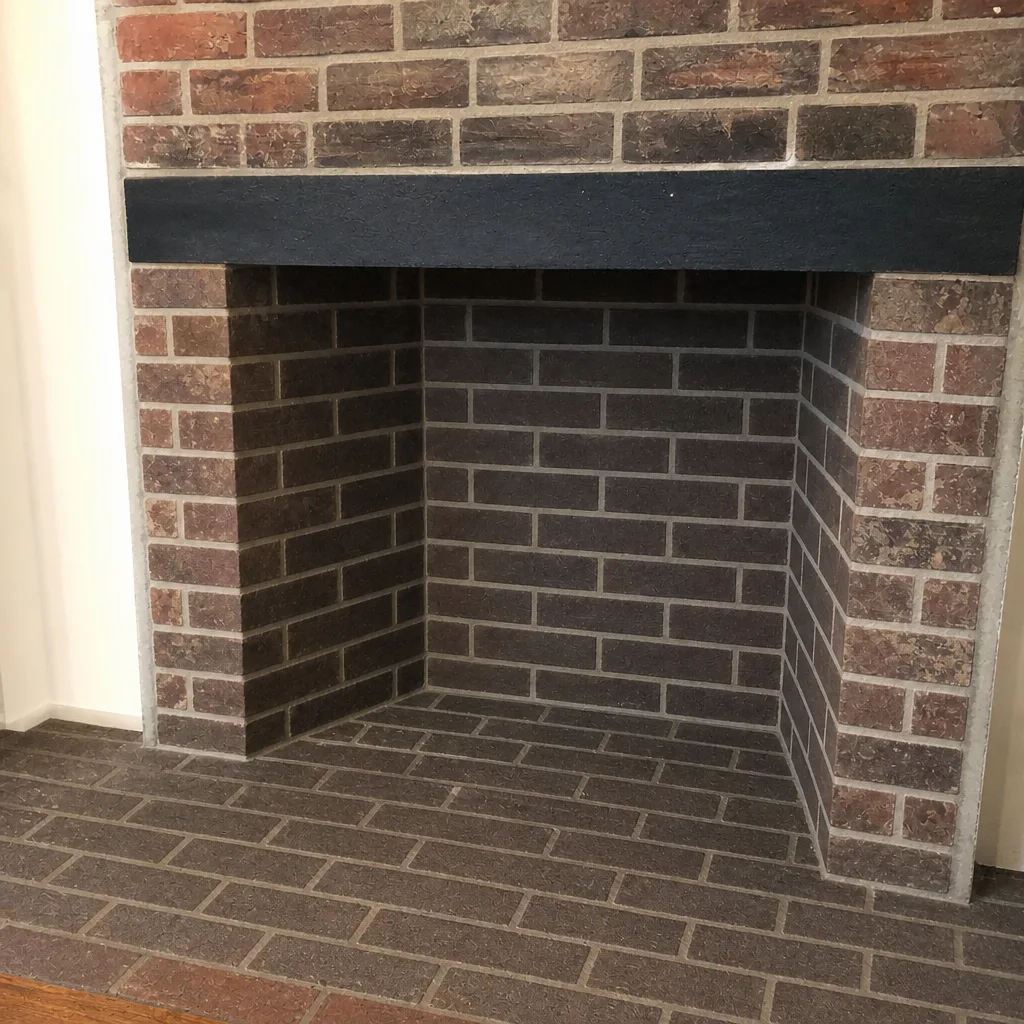
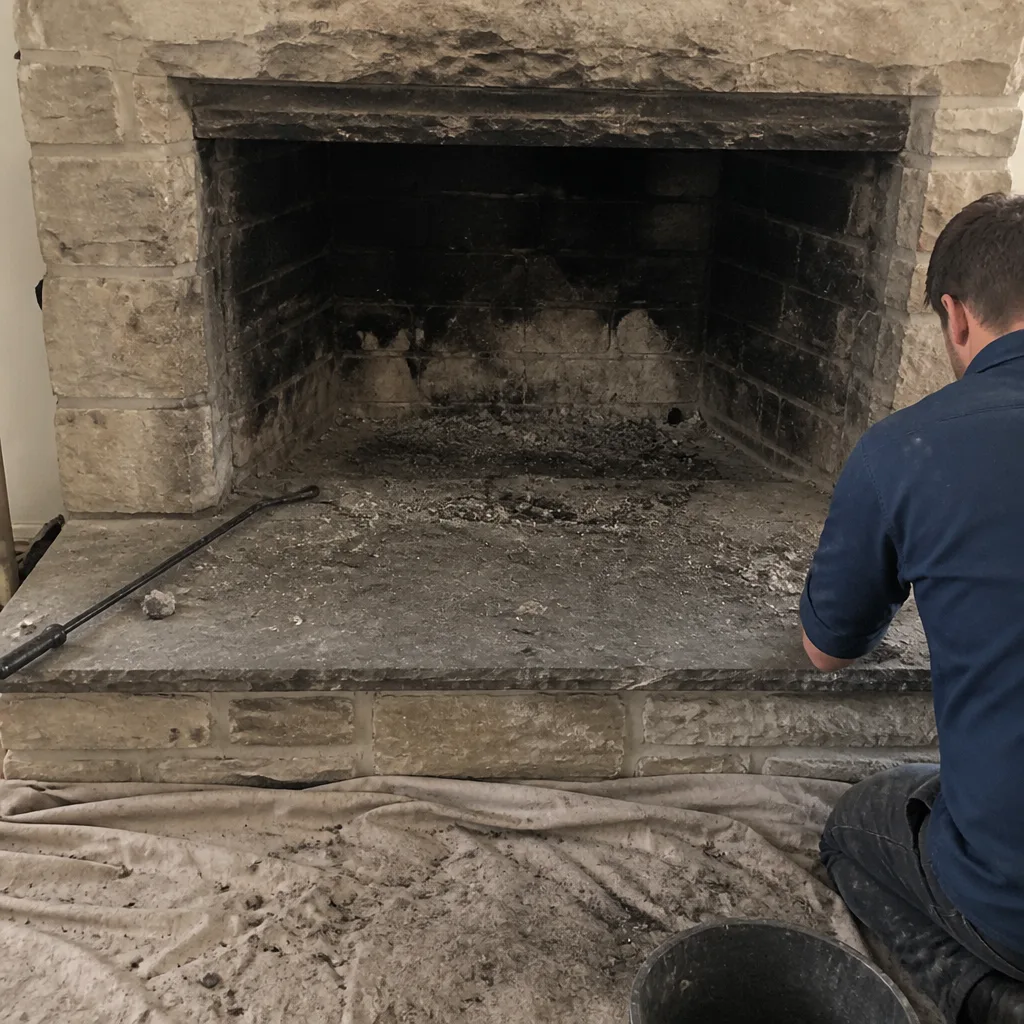
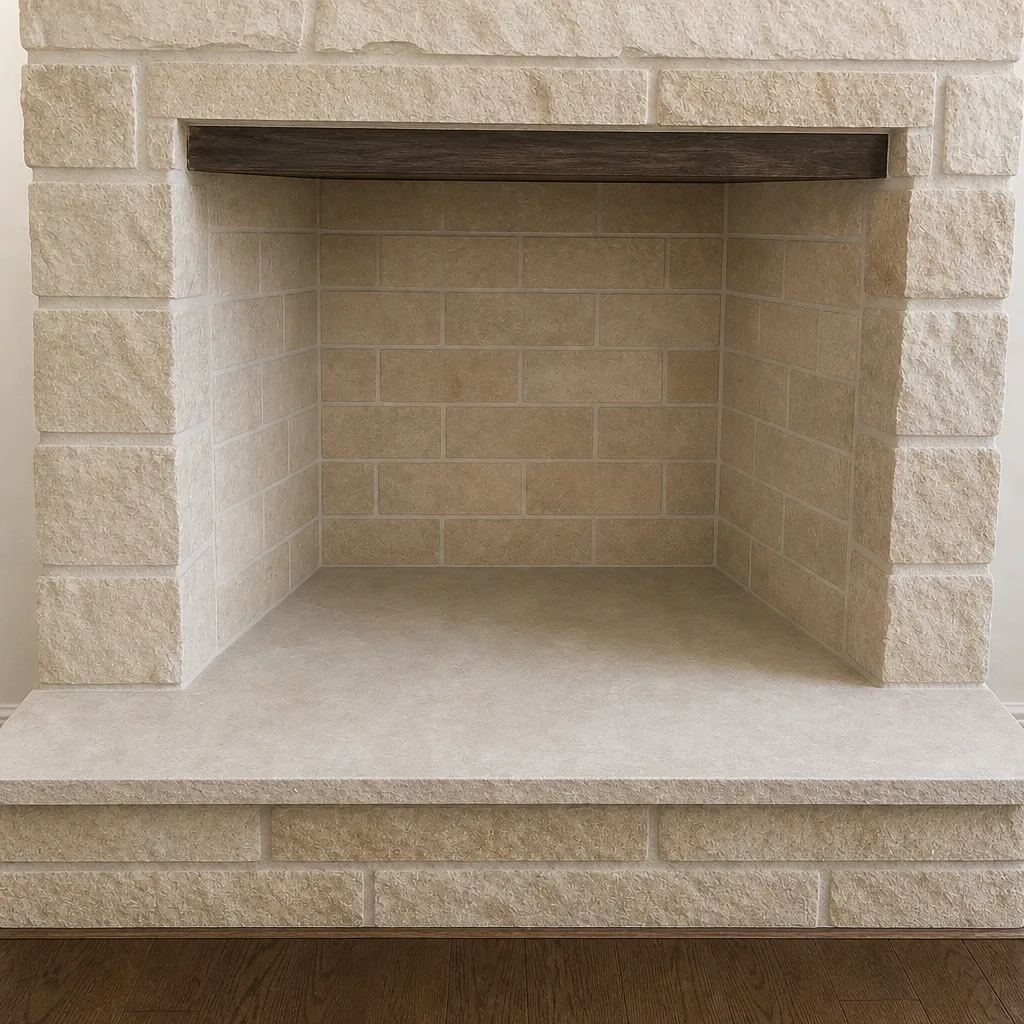
See the difference
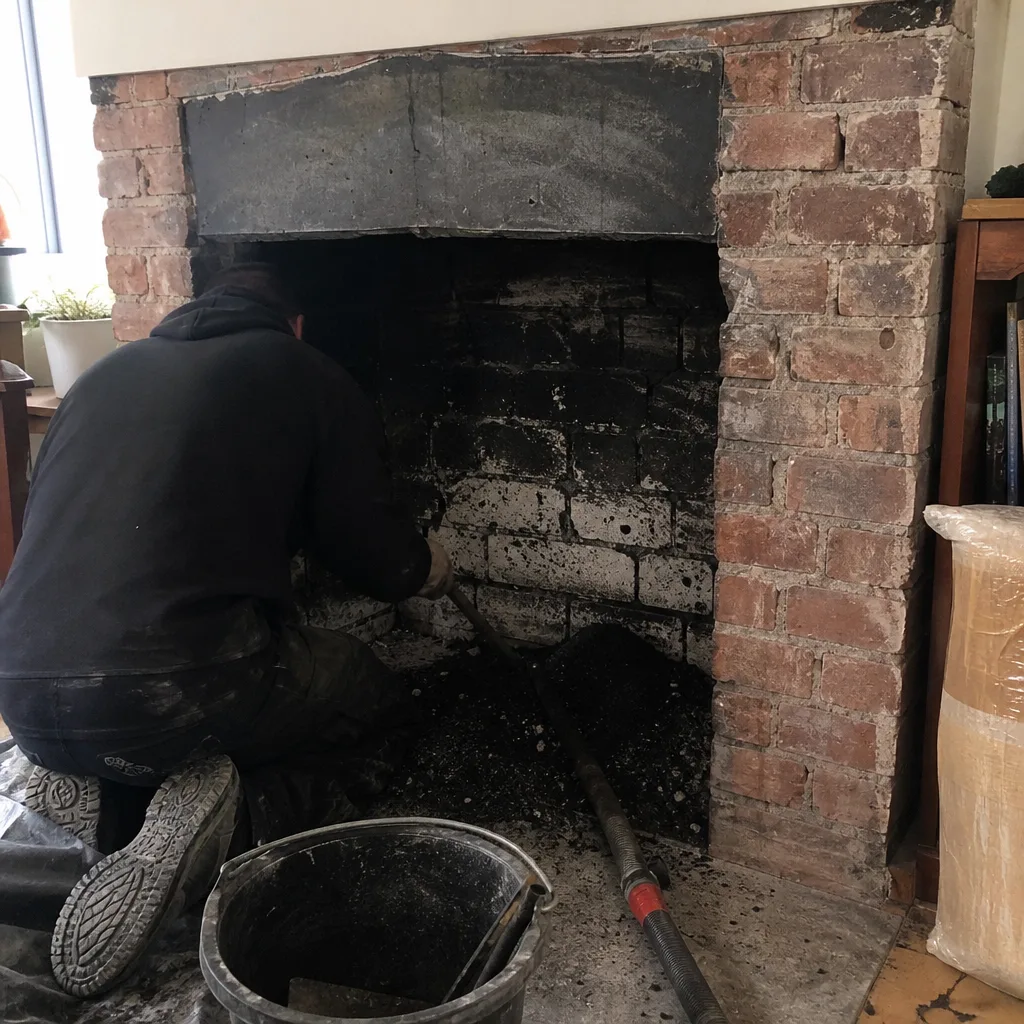 Before
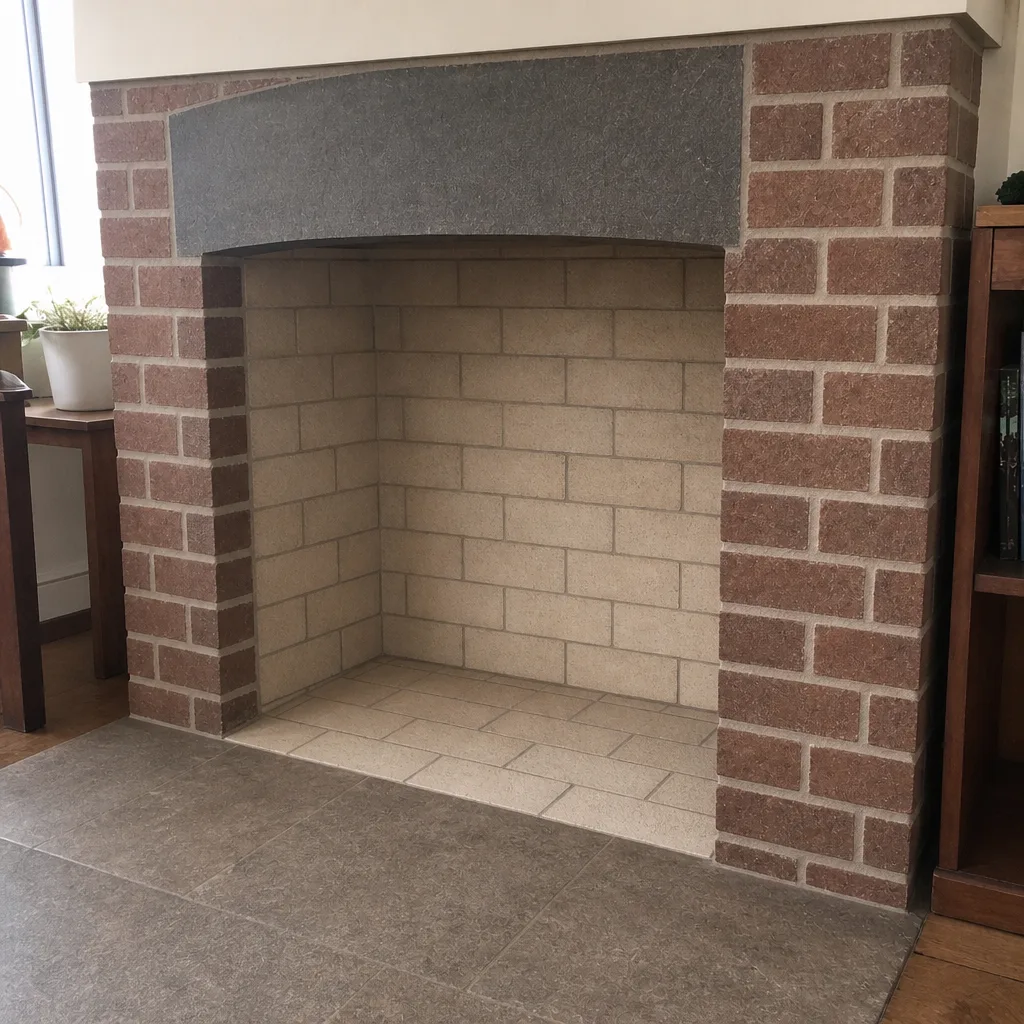 After
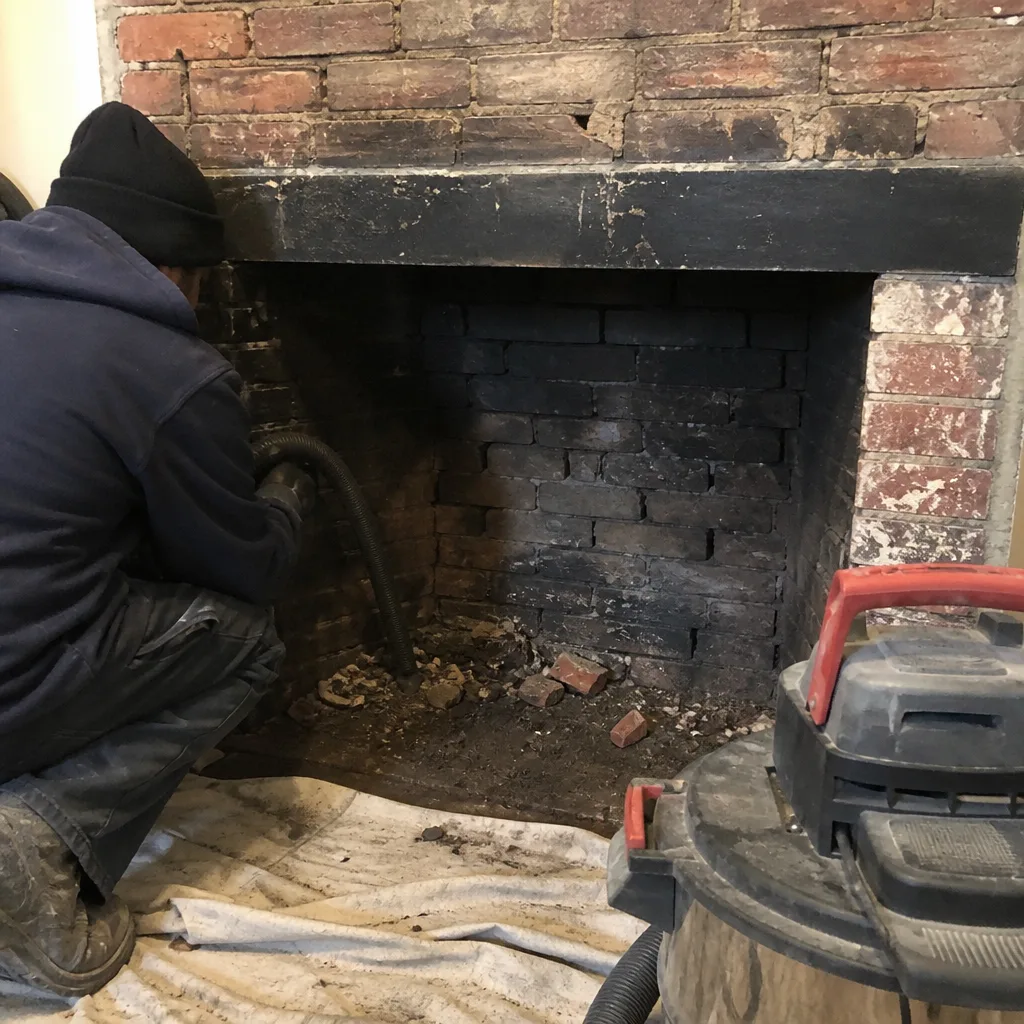 Before
 After
 Before
 After
When to Call a Professional
Some checklist items are homeowner work. Others are a call to a professional. Call us when the fire smokes back into the room, when the damper won’t close flat, when you see white staining or missing brick faces on the exterior stack, when water stains appear on the ceiling near the chimney, or when the CO detector sounds and you’ve already cleared the room and ventilated the space. Call before you buy or sell an East Village building and before you file an insurance claim on chimney damage, so the condition history exists before you need it. And call before you do anything to the flue liner or the firebox yourself. Those are jobs for someone with a camera, the right tools, and materials specified for the application; a liner installed by a generalist on a masonry flue is a repair that fails. Chimney Sweep East Village offers free estimates in East Village – call (844) 443-3695. Estimates are free, and the written estimate sets the price.
Frequently Asked Questions
A standard sweep with camera inspection in East Village is priced per job and set by the written estimate; call (844) 443-3695 for an exact quote, and estimates are free. The flat price is agreed before we book, so the number on the estimate is what you pay. Liner, crown, and resurfacing work is priced separately after the inspection findings are documented.
Not always. The liner only needs replacing or resurfacing when the camera inspection shows cracks, joint gaps, or spalling. In East Village, many older clay liners do need attention, but the report has to show it before we’ll recommend it. Call (844) 443-3695 for a camera inspection and a written estimate that shows what we found.
Once a year for most wood-burning chimneys, with a camera inspection at the same visit. Gas fireplaces need an annual inspection even if they produce little soot. Heavy users and anyone who found glazed creosote should add a mid-season check. Call (844) 443-3695 to schedule a pre-season inspection; estimates are free.
Creosote builds up in the flue, and glazed creosote is a fire risk that brushing alone won’t clear. Cracks and joint gaps that would be caught on camera go unnoticed, and a damaged cap or crown lets water into the masonry all winter. None of that is a scare tactic; it’s the mechanical reality of an unmaintained flue. Call (844) 443-3695 for a free estimate before next season.
Yes, but confirm which flue is yours first. In a co-op or condo with a shared party chimney, the inspector should document the flue serving your unit and leave the rest to the building. Call (844) 443-3695 and let us know the building type when you book; we’ll flag the flue ownership question in the estimate.
Yes. We offer HeatShield resurfacing for flue repair, cap and crown work, and full liner installation, all documented with photos of the before and after. These are single-source with the inspection, so the findings and the repair come from the same company. Call (844) 443-3695 for a free estimate.
The Bottom Line
A chimney maintenance checklist for an East Village homeowner should cover all seven components, not just the firebox. The pre-season list prevents; the post-season list documents and repairs. Homeowners can verify the visible parts themselves, but the liner, smoke chamber, and crown need a professional with a camera. Log every visit with photos, because that record matters at resale and in an insurance claim. And when the report shows a problem, get it fixed by someone who specializes in chimney systems and materials suited to the job. That’s what running two different lists, twice a year, actually buys you: a chimney that’s safe to use and a paper trail that proves it.
Call (844) 443-3695 for a free estimate. We answer 24/7. Fast dispatch from 7am to 7pm, Sunday through Friday. We’re closed on Saturday. We handle the full chimney system, from the firebox to the crown, with professional-grade materials from Gelco and Olympia Chimney, and we document every inspection with camera photos you can see for yourself. Pre-season is the right time to book, and the written estimate sets the final price.
Written by the team at Chimney Sweep East Village.