
Last updated November 25, 2026
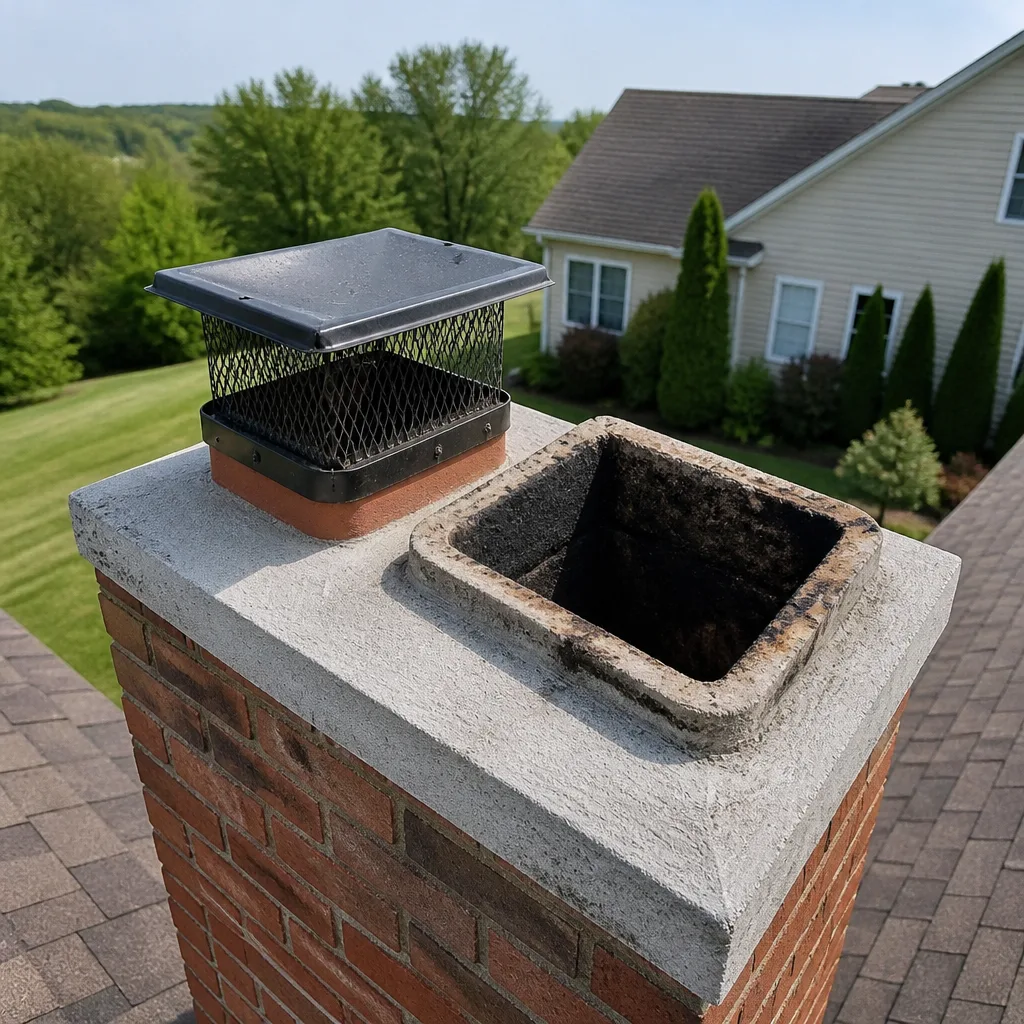 Sweep & inspection
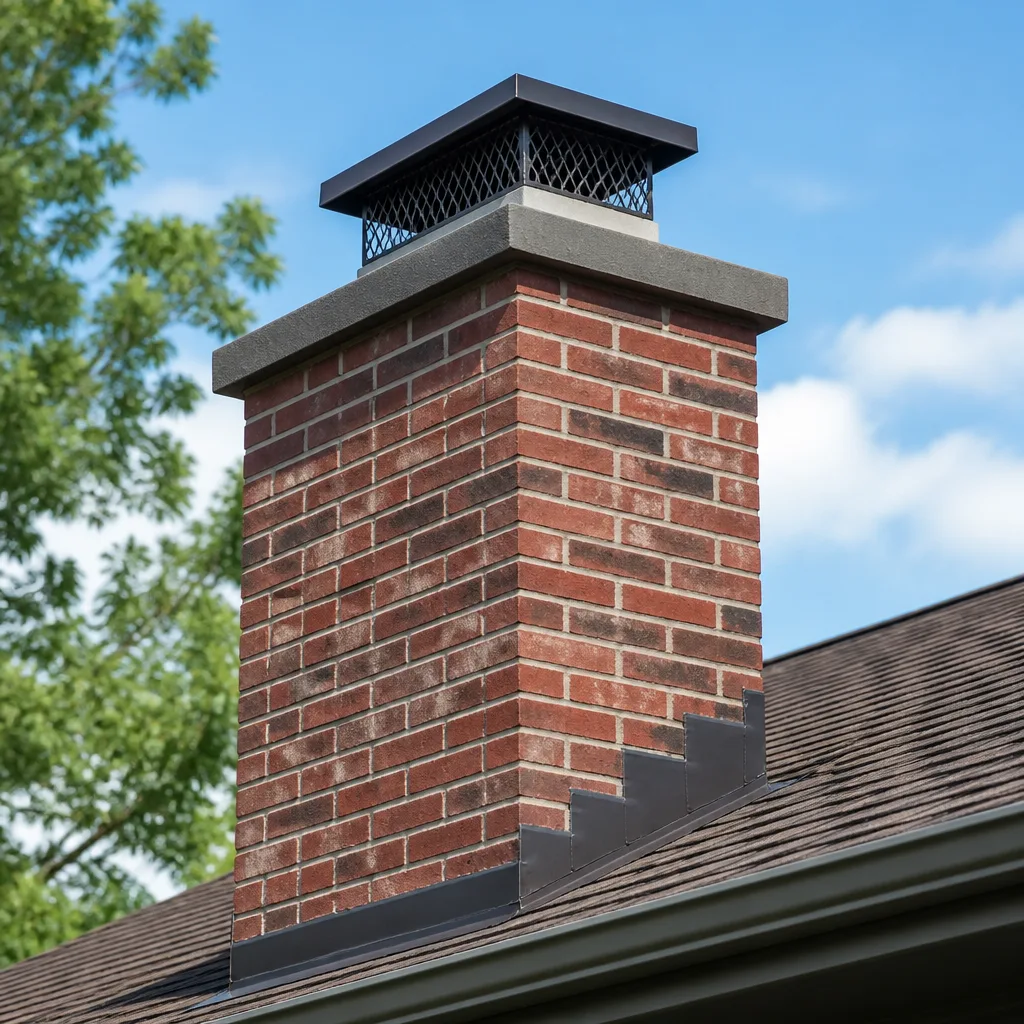 Caps & crowns
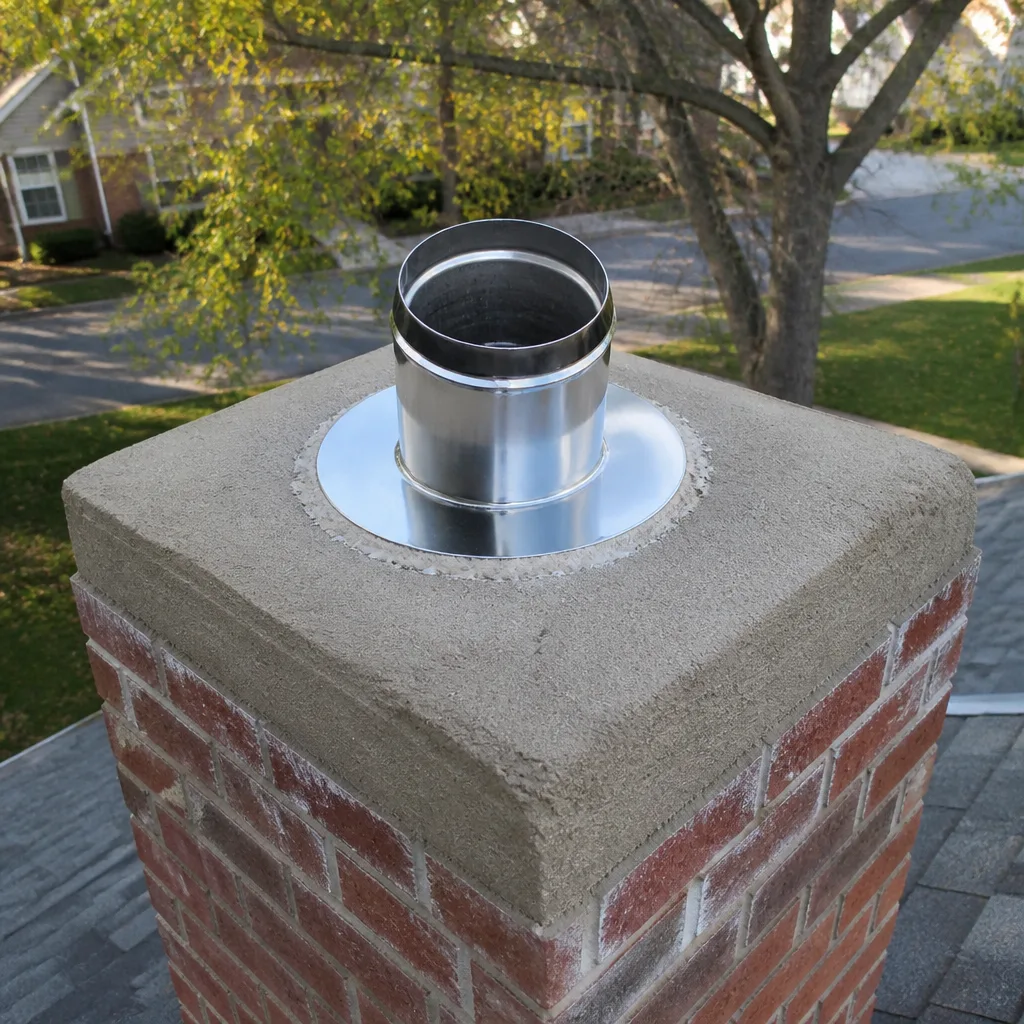 Flue relining
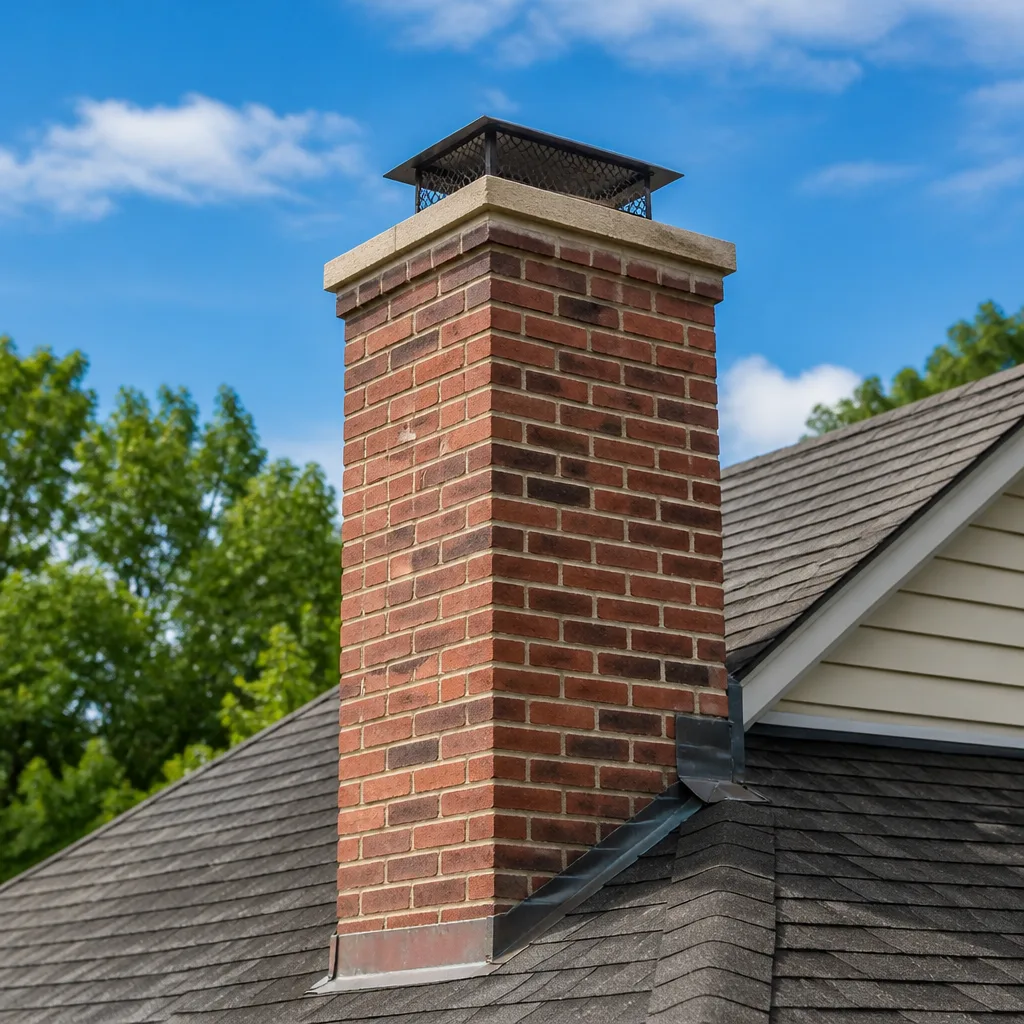 Masonry repair
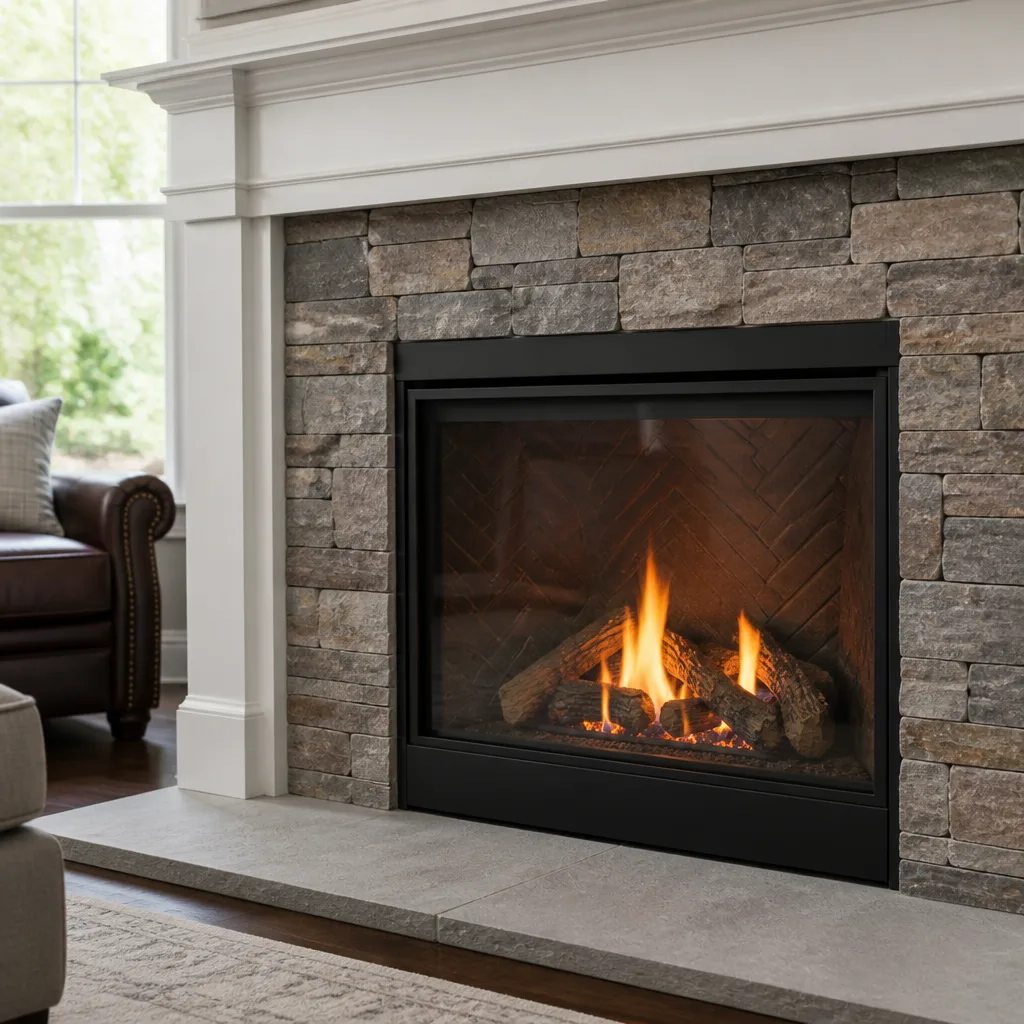 Gas fireplace service
Level 1 sweep and inspection to the NFPA 211 annual standard - flue, crown, cap, and flashing checked and photographed
Chimney sweep logs do not sweep chimneys. They loosen some creosote - which then falls where a brush and vacuum still have to collect it.
DIY vs Professional Chimney Cleaning: The East Village Homeowner’s Decision Guide
Chimney cleaning rods and brushes are sold at hardware stores, and a capable homeowner really can push one up a flue. But the brush can’t tell you whether the liner it’s passing through is cracked, and that liner is the part that actually decides whether your fireplace is safe to burn. In East Village, where a lot of buildings are older than the wiring inside them and where fireplaces have been converted from wood to gas and back again, the condition of what’s behind the damper matters more than what sits on it. This guide is honest about both sides of the DIY question: what you can legitimately do yourself, what genuinely requires professional equipment, and how to tell the two apart in your own building. We’ll also cover what an inspection should involve, how insurance treats DIY-only maintenance history, and what you can safely do between visits.
Quick Answer
DIY chimney cleaning works for light soot removal on an accessible, liner-intact, wood-burning system where you can safely reach the roof and see the full flue. It does not work when the liner is unknown, when roof access is dangerous, when the fireplace has been converted to gas, or when there’s any sign of cracking, spalling, or creosote glaze. In East Village specifically, the older housing stock and attached-building roofs make the professional route the right default for most homes, and an inspection with camera verification is the only way to know which situation you’re in.
Styles & brands we work with
- Sweep & inspection
- Caps & crowns
- Flue relining
- Masonry repair
- Gas fireplace service
Table of Contents
- What DIY Chimney Cleaning Can Legitimately Accomplish
- Why East Village’s Housing Stock Makes DIY Harder
- Gas-Converted Fireplaces Have Different Hazards
- The Tasks That Require Professional Equipment
- Insurance and Liability: What a DIY History Means
- The Middle Ground: What You Can Do Between Professional Visits
- What a Real Chimney Inspection Looks Like
- Common Mistakes to Avoid
- When to Call a Professional
- Frequently Asked Questions
What DIY Chimney Cleaning Can Legitimately Accomplish
Let’s be precise about the honest scope of a homeowner-run sweep. On a straight chimney serving a wood-burning fireplace, with an intact liner you can see the length of, DIY soot removal is a real task that a careful and physically able homeowner can perform. It removes surface soot and loose ash. It does not remove glazed creosote, it does not assess the liner, and it does not tell you the system is safe.
Here’s what a proper DIY sweep actually requires, so you can judge whether you’re set up for it:
- Rods and a properly sized brush. The brush must match the flue’s inside dimension closely. A brush too large jams; too small leaves a scrape-only pass that loosens nothing.
- Drop cloths and a shop vacuum rated for fine ash. Soot travels. A standard household vacuum will exhaust it back into the room.
- Respirators, eye protection, and gloves. Soot and creosote are respiratory irritants; you should not be breathing them.
- Safe roof or top access. Bottom-up sweeping works for many chimneys, but only if you can still get a light and a mirror to the top to verify the flue after the pass.
- A way to check the liner after sweeping. This is where DIY usually stops. A brush doesn’t inspect.
- A cap that stays on and a firebox that is fully cooled. Sweeping a warm chimney is a common mistake; let it sit cold.
If you’ve got all of that and your chimney is a simple wood-burning straight run, a DIY sweep between professional inspections isn’t unreasonable. If any item is missing, particularly the liner verification, you’re getting the sensation of having cleaned the chimney without the information that says it’s safe.
Why East Village’s Housing Stock Makes DIY Harder
The single biggest reason we see East Village homeowners give up on DIY partway through is access. A large share of East Village housing sits in attached buildings and walk-ups where the chimney top is not a place you can comfortably stand, much less work from. Tenement-era roofs, sloped surfaces, party walls shared with the neighbor, and fire escapes that are not rated as work platforms all turn a “simple” roof check into a fall hazard. The brush itself is the easy part. Getting a clear look down the flue from above is the part that ends most DIY attempts in East Village.
The second issue is what the chimney is made of. East Village buildings span more than a century of construction methods, and the flues inside them can contain everything from original clay tile to a mid-century replacement to a liner installed by a previous owner with no paperwork on file. Without a camera, you cannot tell which one you have, and a chimney brush is designed to clean flues that are in serviceable condition, not to test them.
Third: many East Village chimneys were built for a different fuel than they serve today. A flue sized for wood may now be venting gas, and in some cases the chimney is no longer used at all but still needs inspection before a fireplace is relit. We’ve seen older chimneys where the firebox interior has been patched with incompatible material, and where the smoke chamber above the damper is full of angled surfaces that a straight brush never touches.
Climate adds a wrinkle. East Village winters are cold and wet, and the freeze-thaw cycle on an unlined or unsealed masonry chimney accelerates cracking at the crown and the shoulder of the flue. Water is a slow chronic problem for a chimney, and it turns a small DIY-able job into wholesale repair if it’s left alone for long enough. All of this is why we treat the inspection as the starting point for East Village work rather than a nice-to-have on top of the sweep.
Gas-Converted Fireplaces Have Different Hazards
A gas fireplace is a different system than a wood-burning one, and the DIY chimney-cleaning playbook doesn’t transfer. Gas logs produce water vapor and a mildly acidic condensate. In a flue that was built for wood, that moisture attacks the liner and mortar in ways wood smoke does not. The hazard profile also changes: the flue can vent carbon monoxide if it’s blocked, damaged, or improperly sized, and there’s no visible soot to warn you it’s happening.
For East Village homes with a converted fireplace, the practical rule is simple: no DIY cleaning, no DIY inspection, no assumption that “it looks fine” is a real assessment. A gas fireplace that hasn’t been looked at in a season, especially one that smells faintly of gas when it lights, needs a professional to check the flue path, the venting configuration, and the seal of the firebox. Carbon monoxide is the concern that should override any urge to save a few dollars. If you have a carbon monoxide alarm, keep it working and test it. If you don’t, install one.
The Tasks That Require Professional Equipment
There are three categories of chimney work that a homeowner simply cannot perform well with consumer tools, no matter how capable they are. Here’s the list:
- Video inspection of the flue. A camera is lowered the full length of the liner, recording the interior so that cracks, gaps, voids, and deterioration are visible. Without video, “the liner looks intact” is a guess, and in East Village’s older buildings, guessing is expensive.
- Smoke chamber repair. The angled surfaces between the damper and the flue are notoriously difficult to access, and repairs there require refractory materials applied in a specific way. A homeowner cannot inspect or repair this area.
- Liner assessment and resurfacing. This includes HeatShield resurfacing, which is a manufacturer-backed flue repair system for cracked or deteriorating clay tile. HeatShield-capable work isn’t a homeowner task; it’s a specialized repair.
- Chimney cap and crown installation. A dedicated chimney cap & crown installation is a fit-and-seal job that prevents water and wildlife from entering the flue. Getting the cap sized and seated correctly requires access to the top of the chimney in a way that most East Village roofs do not offer a homeowner.
- Structural masonry repair. This is the kind of chimney repair that determines whether the chimney is safe to use at all, and it should be diagnosed from the flue interior outward.
If you’re comfortable going up a ladder with a flashlight, good for you. But no flashlight substitutes for the camera pass that a professional inspection includes.
Insurance and Liability: What a DIY History Means
Homeowners insurance is a topic most chimney guides skip, and it’s worth being direct about. If your fireplace is involved in a fire or a carbon monoxide event, your insurer will look at the maintenance history of the system. A written record from a professional inspection and sweep establishes that the chimney was examined and cared for. A stack of notes you took yourself, or no notes at all, may not carry the same weight.
The practical consequences:
- Claim review. Adjusters commonly request service records when a fireplace-related claim is filed. Professional documentation is easier to produce and harder to dispute than a DIY log.
- Liability on resale. East Village co-ops and condos frequently require inspection documentation at the point of sale or refinance. A professional report is a document a buyer’s attorney will accept; a self-administered sweep is not.
- Warranty voids. If a liner, cap, or fireplace insert was installed by a manufacturer whose warranty depends on professional maintenance, DIY intervention may void that warranty.
- Onward handoff. If a previous owner swept themselves and never had a video inspection, you inherit an unknown system. A single professional inspection closes that gap.
None of this means every homeowner needs to be afraid of touching their own chimney. It means the paperwork trail matters when the stakes rise.
The Middle Ground: What You Can Do Between Professional Visits
The useful middle ground is this: a homeowner can absolutely maintain the system between professional visits, and doing so is a good idea. The line is inspection and repair, not maintenance. If you stay on the maintenance side, you’ll get more out of the chimney and reduce the chance of an avoidable repair bill.
Between professional visits, we recommend:
- Burn dry, seasoned wood. Wet wood produces more creosote and more smoke. If you buy firewood, look for split, dry logs and store them off the ground and away from the exterior wall.
- Keep the firebox clean of ash and debris. Empty the ash pan regularly and never leave a fire unattended.
- Check the cap visually from the ground. A missing or displaced cap is one of the easiest problems to spot and one of the costlier ones to ignore.
- Watch the roofline. If the chimney crown is cracked, or if the masonry is staining or crumbling, note it and mention it at the next inspection.
- Test smoke and carbon monoxide alarms. Both alarms are the cheapest safety device in the house and the first to catch a problem you can’t see.
- Log what you observe. Keep a small notebook recording when you burn, what you notice, and what you find. It’s the best handoff you can give the professional you work with.
What you should not do between visits: attempt to reline the flue, apply any coating inside the firebox, or patch a crack in the crown yourself. Those jobs don’t have a DIY middle ground, and the coating products in particular need the right substrate and heat rating.
What a Real Chimney Inspection Looks Like
A professional chimney inspection should follow a recognizable path. We use the standard three-level framework, though in most East Village homes levels one and two cover the work. Here’s what a homeowner should expect from a thorough inspection:
- Firebox and damper. The firebox and damper are opened and examined for cracks, movement, or material failure.
- Smoke chamber. A camera and light are used to see the angled surfaces between damper and flue.
- Full-flue camera pass. A camera is run up the liner to record the interior for cracks, gaps, and deterioration.
- Flue top and cap. The top of the chimney is examined from above for cap condition, crown condition, and masonry damage.
- Exterior masonry. The chimney stack is checked for spalling, leaning, or separation from the building.
- Appliance and venting check. For gas fireplaces, the vent configuration and the firebox seal are verified.
- Written report with photos. Findings are documented with dates, so you have a clear record for insurers, co-op boards, and resale or refinance.
This is what “inspected, diagnosed, and repaired by the same crew” actually means in practice. The findings live in a report you can see, not in a verbal summary that ends when the technician leaves. We handle the full chimney system, from the firebox to the crown, which means the sweep, the cap, the liner, and any masonry repair can be addressed in one coordinated scope rather than handed off to a second or third contractor.
If you want the sweep and inspection on the same visit, mention that when you schedule. We’re specialists in chimney and fireplace systems, not a general handyman service, and the technicians who run a camera inspection are the same ones who do the chimney sweep.
Common Mistakes to Avoid
Here’s the list of mistakes we most often see East Village homeowners make, and why each one matters:
- Buying a brush that doesn’t match the flue. A mismatched brush either jams or leaves soot in place, and either outcome costs more than the right brush. Ask what size your flue actually is before you buy.
- Sweeping a warm chimney. A firebox that’s still warm from the most recent fire should be allowed to cool fully. Sweeping warm is a soot cloud into the room, and on a firebox that’s had recent heat, it’s also a risk to the flue.
- Skipping the camera pass because the sweep looked clean. A clean flue can still have a cracked liner. The camera is what tells you the difference, and it isn’t an optional add-on.
- Cleaning a gas-converted fireplace yourself. There’s no soot to make it look productive, and the carbon monoxide risk of a blocked or damaged vent doesn’t announce itself. This is a professional-only task.
- Going up an attached-building roof on a whim. East Village roofs frequently have steep pitches, party walls, and fire escape access that isn’t intended for work. A fall from a three-story roof is a permanent decision.
- Patching the crown with whatever’s in the garage. Crown material has to flex and seal against weather. A cheap patch invites a repair bill several times its size.
- Assuming a cap is optional. A missing cap lets in rain, snow, birds, squirrels, and leaves. Preventing intrusion is far cheaper than repairing damage, so a properly seated cap is basic maintenance rather than a luxury.
When to Call a Professional
We’d say this plainly: call a professional in any of these situations. Your fireplace hasn’t been inspected in the past season. You smell a faint gas odor when the gas fireplace lights. You’ve noticed smoke entering the room instead of going up the flue. The chimney cap is missing or sitting at an angle. The crown or the masonry above the roofline is cracked or staining. You’ve inherited a fireplace from a previous owner with no documentation of its history. The fireplace is gas-converted, or the home has a carbon monoxide alarm that has ever gone off. You’re planning to sell or refinance, and your co-op or lender wants a recent inspection report. Or you want to know whether the liner is intact before you burn through another winter.
Chimney Sweep East Village offers free estimates in East Village. Call (844) 443-3695. We answer 24/7. Fast dispatch from 7am to 7pm, Sunday through Friday. The estimate is free and the written estimate sets the final price, so you know what you’re approving before any work starts. If a camera inspection is part of the visit, which it usually should be for an older East Village chimney, we include a photo report you can keep for insurers and for your own records. If we recommend a liner repair, a cap, or a crown, we’ll show you the evidence first and tell you plainly if a piece of work can safely wait. Inspected, diagnosed, and repaired by the same crew. We specify professional-grade materials such as Gelco, Olympia Chimney, Famco, and Copperfield on the repair and installation side, and HeatShield is our certified resurfacing system where a cracked flue tile needs it.
Frequently Asked Questions
Yes, for a straightforward wood-burning fireplace with an intact liner and safe roof access, a homeowner with the right rods, a matched brush, and dust protection can remove light soot. In East Village, that baseline is often missing because attached-building roofs and older unverified liners make the professional inspection the safer starting point.
If you can’t see the liner with a camera and can’t safely reach the top of the chimney, that’s your answer. Call (844) 443-3695 for an exact quote on a sweep with a full camera inspection – estimates are free.
A chimney used regularly for wood should typically be inspected annually and swept when soot or creosote builds to a meaningful depth. In East Village, where cold wet winters drive heavier burning and attached-building chimneys can be older, an annual inspection is the safer default even in a light-use year.
Whether you actually need a sweep this year is something an inspection answers. Call (844) 443-3695 for an exact quote – estimates are free.
You don’t need a new liner unless a camera pass shows cracks, gaps, or deterioration that make the flue unsafe. That’s the whole test. If a liner is still serviceable, a sweep and inspection is all the work a chimney needs.
The right answer for your chimney depends on what the camera records. Call (844) 443-3695 for an exact quote and ask to see the photo report before any repair – estimates are free.
Two risks grow with time. A blocked or damaged flue can vent smoke and carbon monoxide back into the room instead of out the top, and heavy creosote deposits can ignite, which is the condition chimney fires start from. Neither risk requires a dramatic accident to become real; they’re both the result of ignoring a system that can’t self-report.
A sweep and inspection catch both. Call (844) 443-3695 for an exact quote – estimates are free.
Possibly. If your fireplace is involved in a fire or carbon monoxide claim, the insurer will likely ask for maintenance records, and a professional inspection report is easier to produce and harder to dispute than a homeowner’s own log. It may also matter at resale or refinance if your co-op or lender asks for documentation.
A documented inspection closes that gap. Call (844) 443-3695 for an exact quote – estimates are free.
Plenty, and we’d encourage it. Burn dry seasoned wood, keep the firebox clean, check the cap visually from the ground, test your smoke and carbon monoxide alarms, and keep notes on what you notice. Those steps protect the system and give the professional a better picture at the next visit.
What you shouldn’t do is patch a crown, apply a firebox coating, or attempt a liner repair. Call (844) 443-3695 for an exact quote on the parts that need the right equipment – estimates are free.
The Bottom Line
DIY chimney cleaning is a real option for a homeowner with a simple, liner-intact, safely accessible wood-burning chimney, and we don’t want to talk anyone out of that. But in East Village, the evidence usually points the other way: attached-building roofs, old unverified flues, and gas-converted fireplaces push a do-it-yourself sweep past the point where it can actually tell you anything useful. The brush can remove soot. Only a camera can tell you the liner is intact. The realistic plan for most East Village homes is a professional inspection with a photo report, a sweep when the flue needs it, and a homeowner who knows exactly what maintenance steps are theirs to own between visits. If you’re not sure which situation you’re in, the inspection is what resolves it.
Written by the team at Chimney Sweep East Village.
See the difference
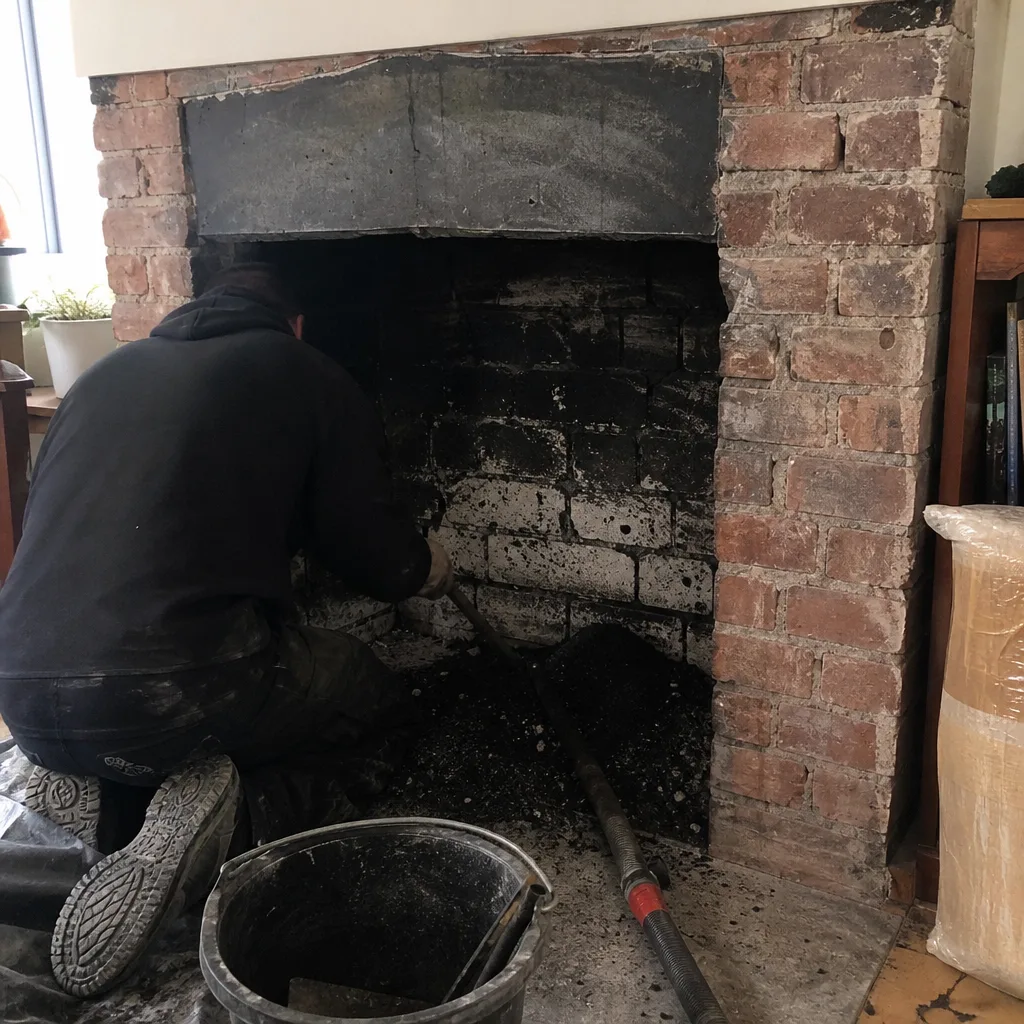 Before
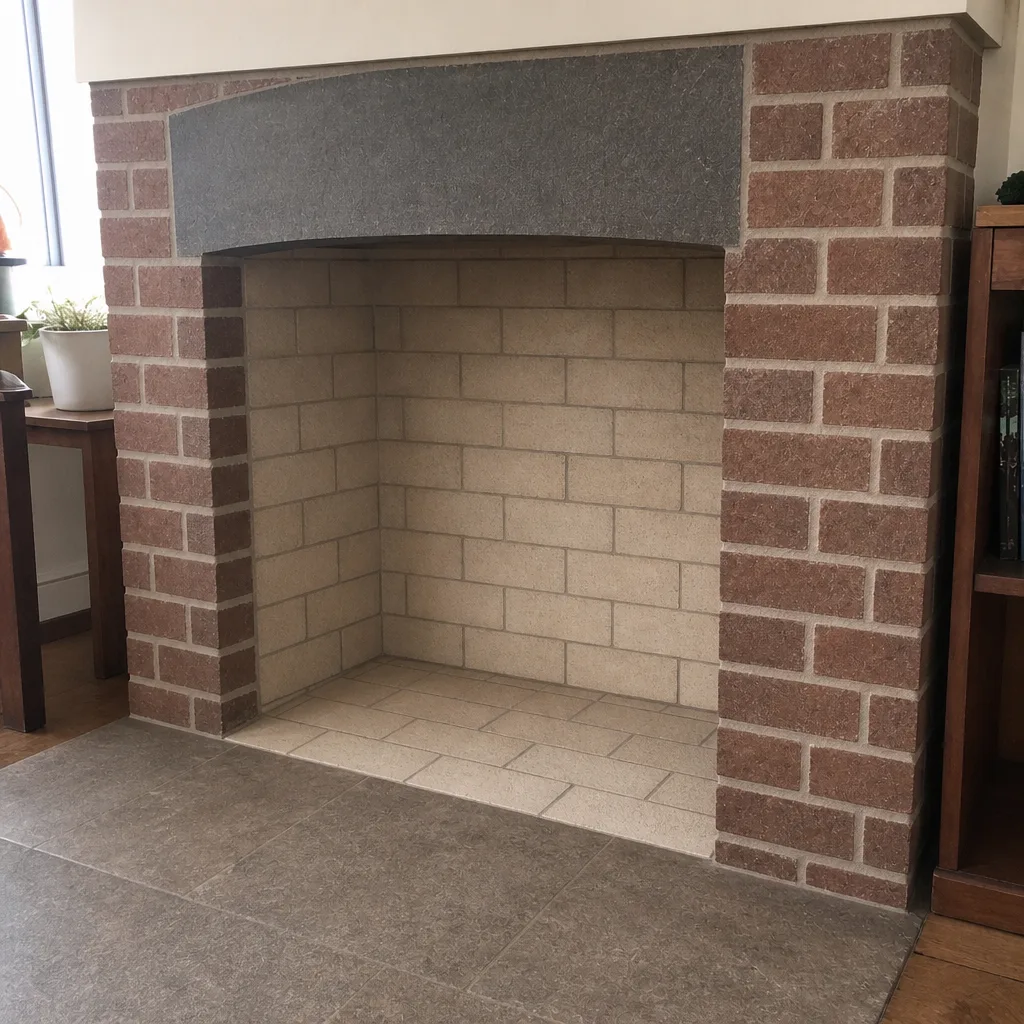 After
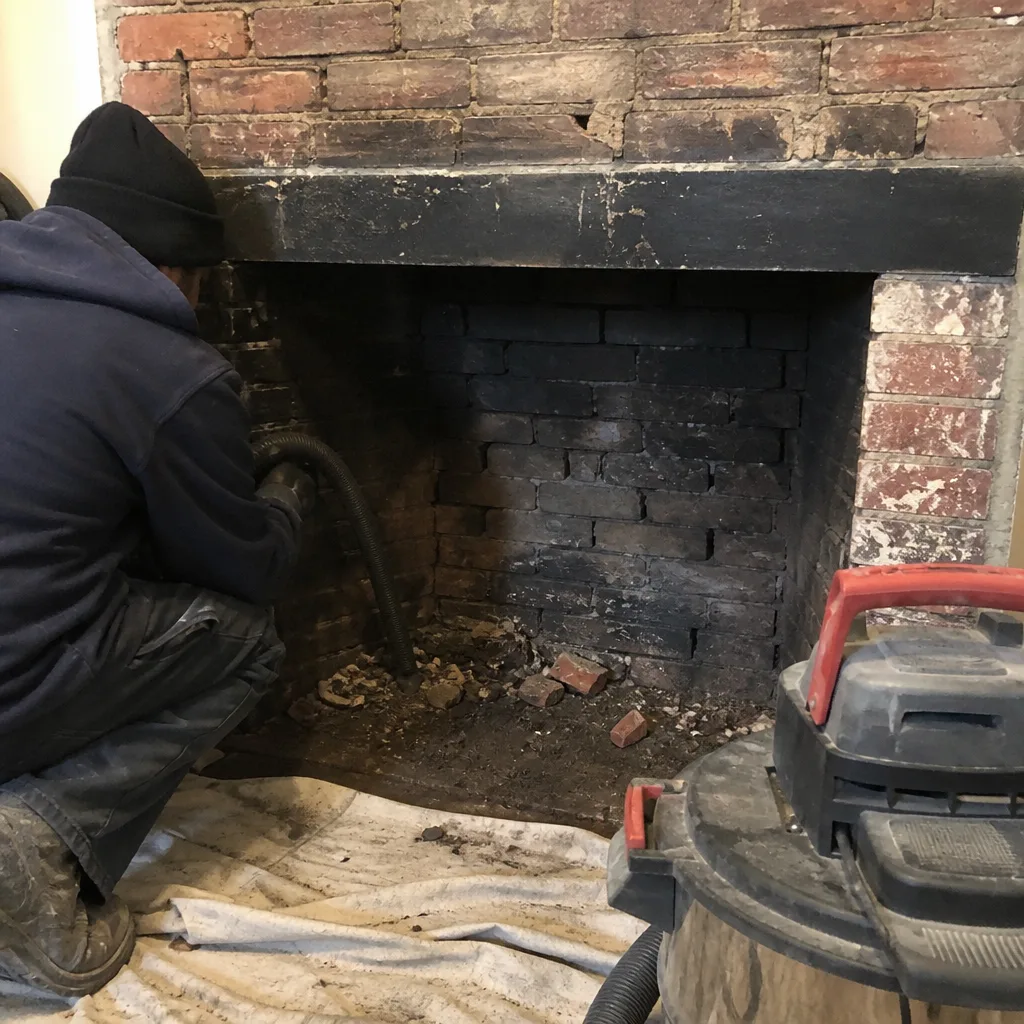 Before
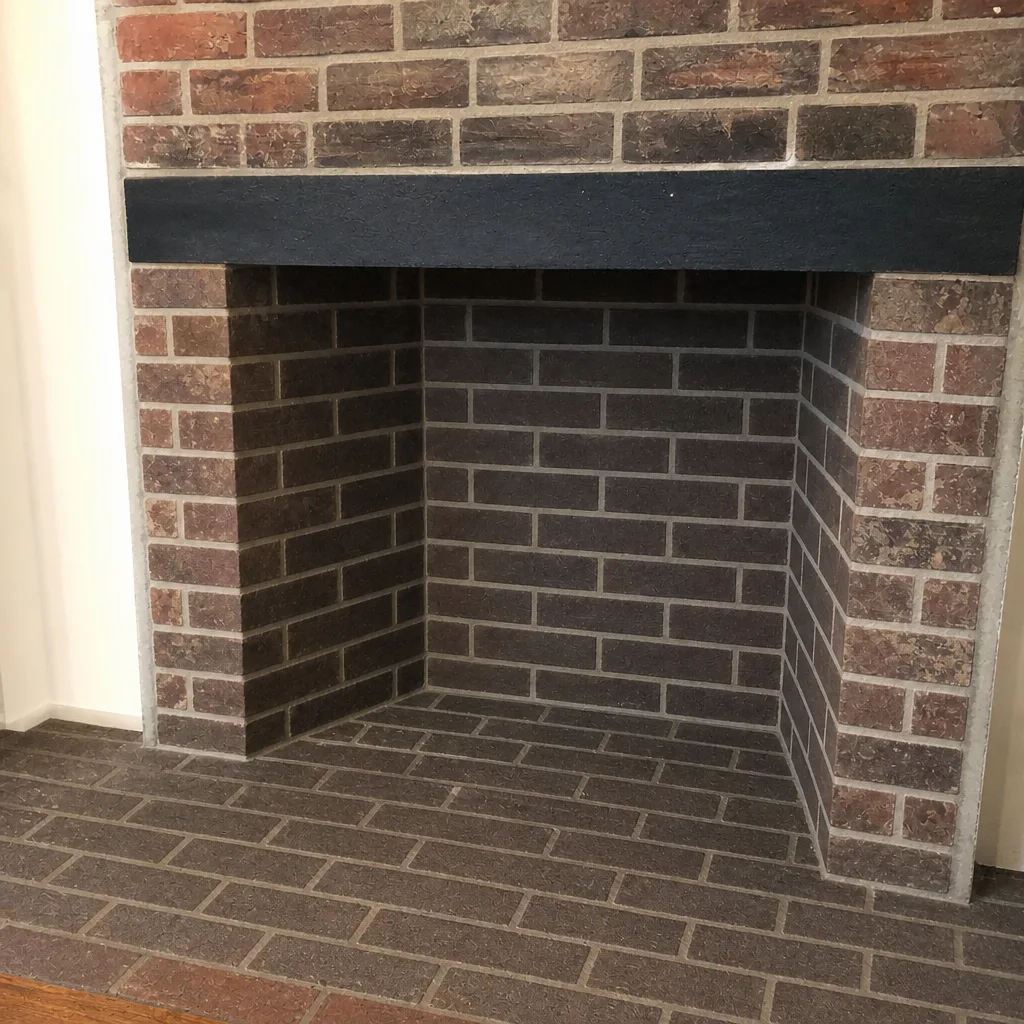 After
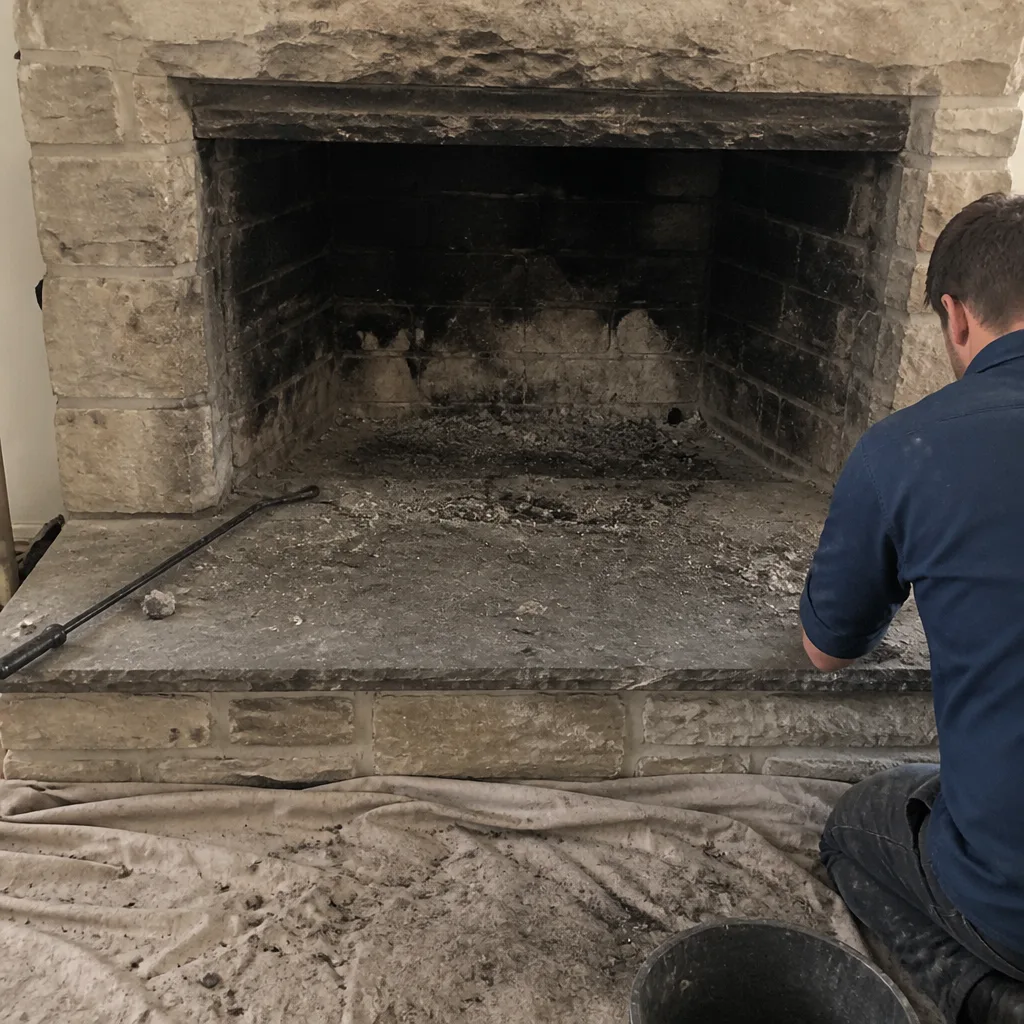 Before
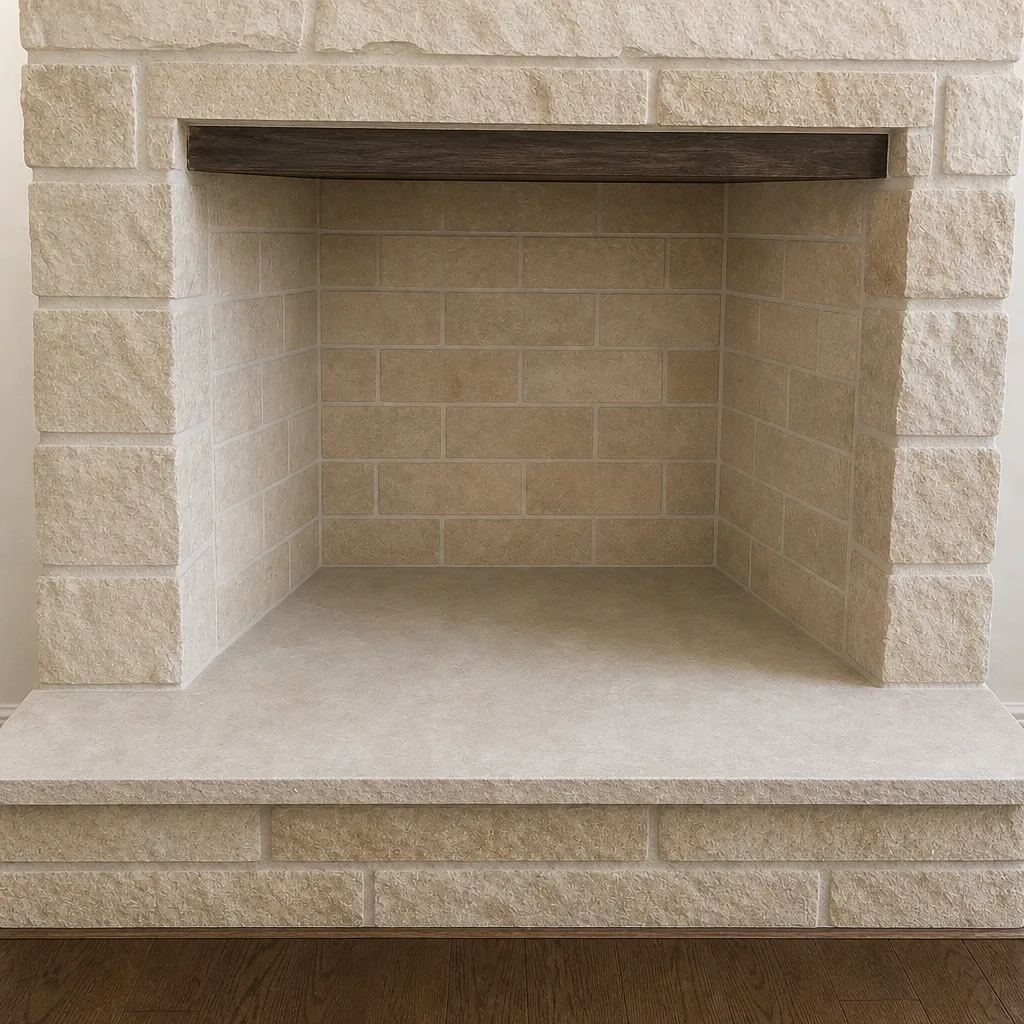 After