
Last updated November 25, 2026
 Sweep & inspection
 Caps & crowns
 Flue relining
 Masonry repair
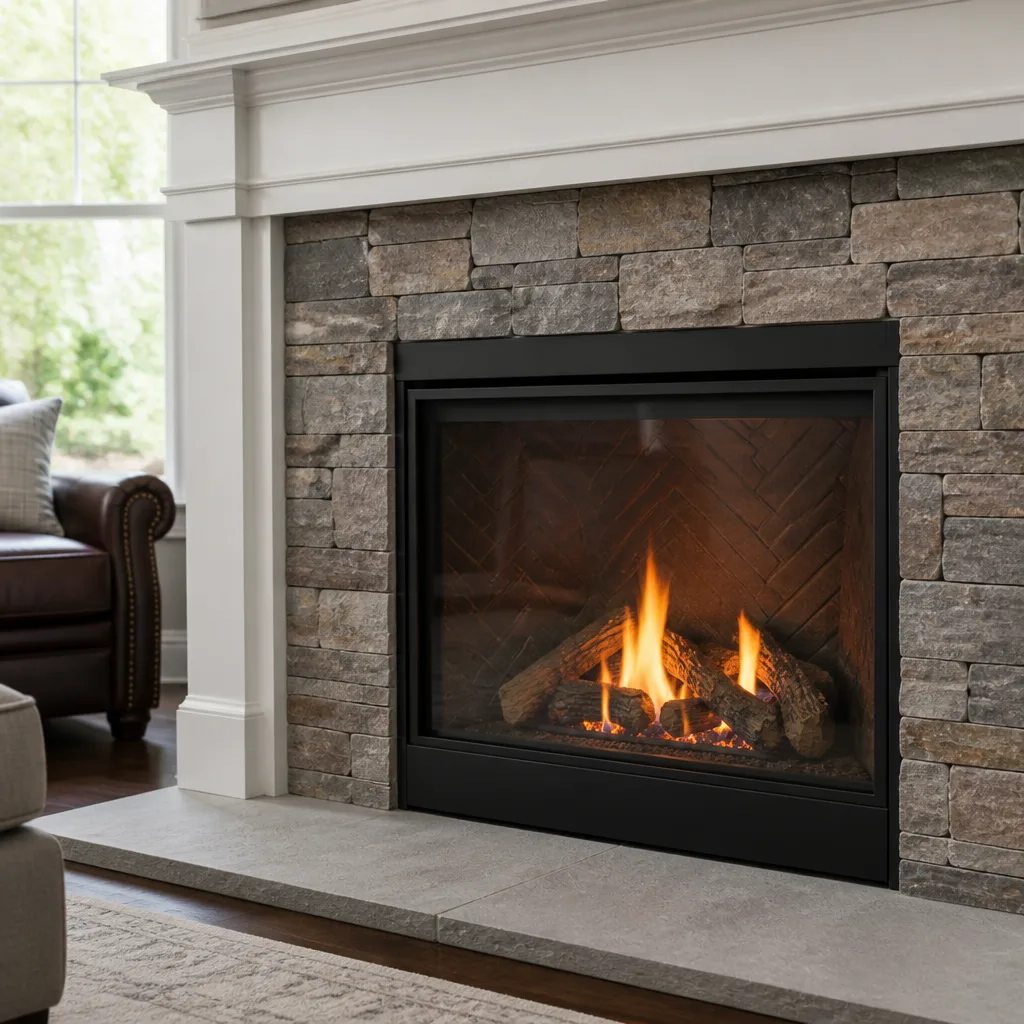 Gas fireplace service
Level 1 sweep and inspection to the NFPA 211 annual standard - flue, crown, cap, and flashing checked and photographed
Chimney sweep logs do not sweep chimneys. They loosen some creosote - which then falls where a brush and vacuum still have to collect it.
Seasonal Chimney Cleaning Care for East Village: Year-Round Homeowner’s Guide
Most chimney advice you’ll read tells you to book a sweep before winter and calls it done. That’s not wrong, but it’s incomplete. Summer is when chimney crowns crack, not winter. Freeze-thaw gets the credit, but thermal expansion in July does the initial damage. In East Village, where brick stacks rise above hot rooftops and tight courtyards, the chimney goes through a full year of stress cycles that have nothing to do with a fire in the firebox. This guide walks through what’s actually happening to your chimney in each season, what to look for, and when to schedule work so you’re not paying for repairs that a well-timed inspection would have caught. We cover spring damage checks, summer repair windows, fall sweep sequencing, and the winter habits that tell you something’s off.
Quick Answer
East Village chimneys need attention in every season, not just fall. Spring is for checking winter damage like spalling brick, cracked mortar, and cap failure. Summer is the right window for liner inspections, repointing, and crown repair because dry conditions and cure times work in your favor before the first fire. Fall is for the sweep and inspection that confirms the system is ready, ideally in late September rather than November. Winter is for monitoring draft, odor, and visible deposit buildup. The homeowners who avoid expensive repairs are the ones who treat the chimney as a year-round system rather than an October checklist item.
Styles & brands we work with
- Sweep & inspection
- Caps & crowns
- Flue relining
- Masonry repair
- Gas fireplace service
Table of Contents
- Why East Village Chimneys Age Differently
- Spring: Reading the Damage a New York Winter Leaves Behind
- Summer: The Best Window for Repair Work
- Fall: Sweep and Inspection Sequencing Before the First Fire
- Winter: What to Monitor During Active Use
- A Year-Round Maintenance Calendar
- Common Mistakes to Avoid
- When to Call a Professional
- Frequently Asked Questions
Why East Village Chimneys Age Differently
The urban heat island effect is real, and it hits exposed chimney stacks harder than most homeowners expect. East Village sits dense with brick, asphalt, and rooftop mechanical equipment. On a hot July day, surfaces across the neighborhood absorb and radiate heat long after sunset, and an exposed chimney crown or the top few courses of brick can swing through a wider temperature range in a single day than the same chimney would on a shaded suburban lot. Every one of those swings causes a small amount of expansion and contraction. Multiply that by a hundred summer days and you have the mechanism that cracks crowns, opens mortar joints, and loosens flashing.
Add the winter side. A New York winter brings repeated freeze-thaw cycles rather than one long deep freeze. Water gets into a hairline crack in the afternoon, freezes overnight, expands, and widens the crack a fraction. Then it thaws, refreezes, and does it again. The damage compounds from both directions.
That’s why a seasonal approach matters more in East Village than in a lot of places. The chimney isn’t just dealing with fire and weather; it’s dealing with a built environment that amplifies thermal cycling. If you want the full picture of how we handle the system end to end, our Chimney Sweep East Village page covers the scope from firebox to crown. The point here is simpler: your chimney has a season-by-season wear pattern, and knowing it lets you schedule work before small problems become structural ones.
Spring: Reading the Damage a New York Winter Leaves Behind
Spring is inspection season, not repair season. The ground is still cold, moisture is still moving through masonry, and the right move is to look carefully at what winter did rather than start patching. Here’s what a trained eye checks in East Village after a New York winter.
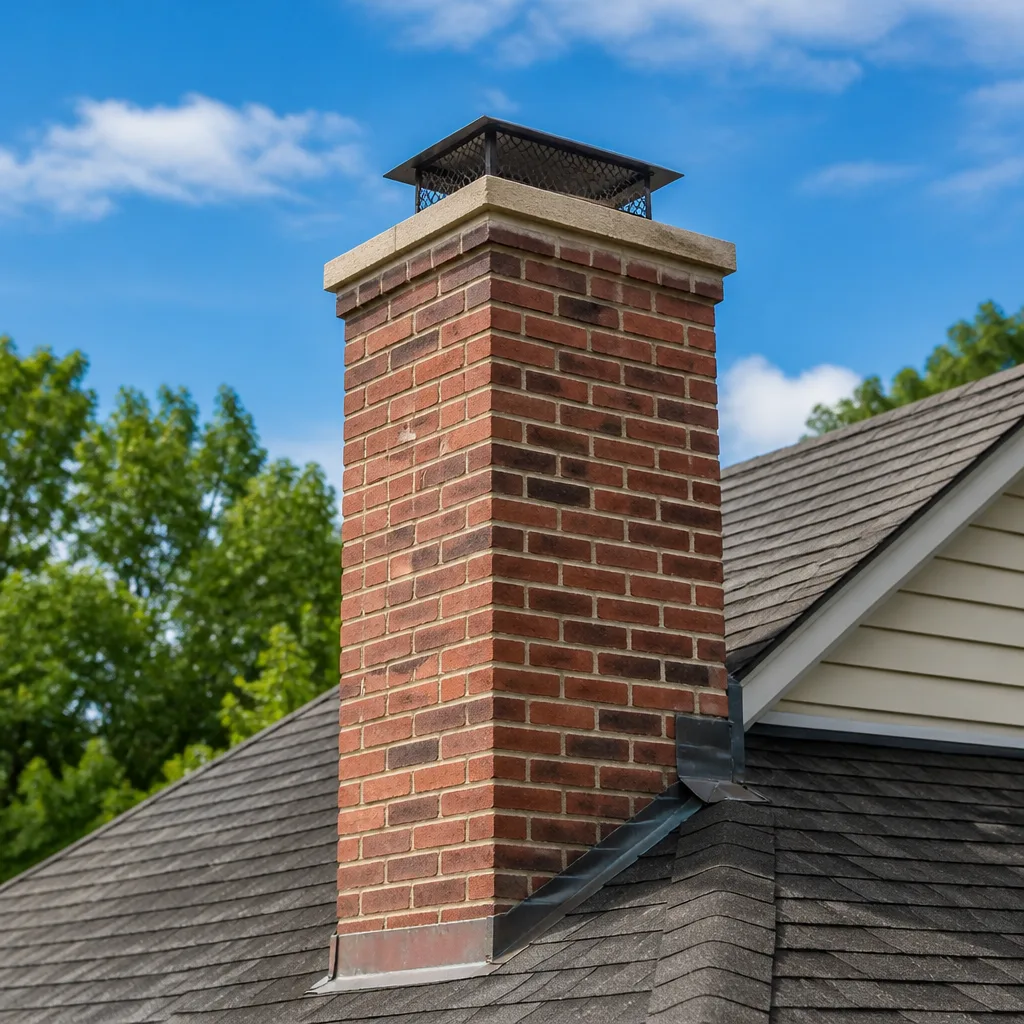
- Spalling brick. Look for brick faces that have flaked, peeled, or popped off the stack. Spalling means water got in, froze, and pushed the surface away. Once it starts, it spreads to adjacent brick.
- Mortar joint deterioration. Run a finger along a joint near the roofline. If mortar crumbles or recedes, the joints are losing their grip on the brick. Recessed or sandy joints are a warning.
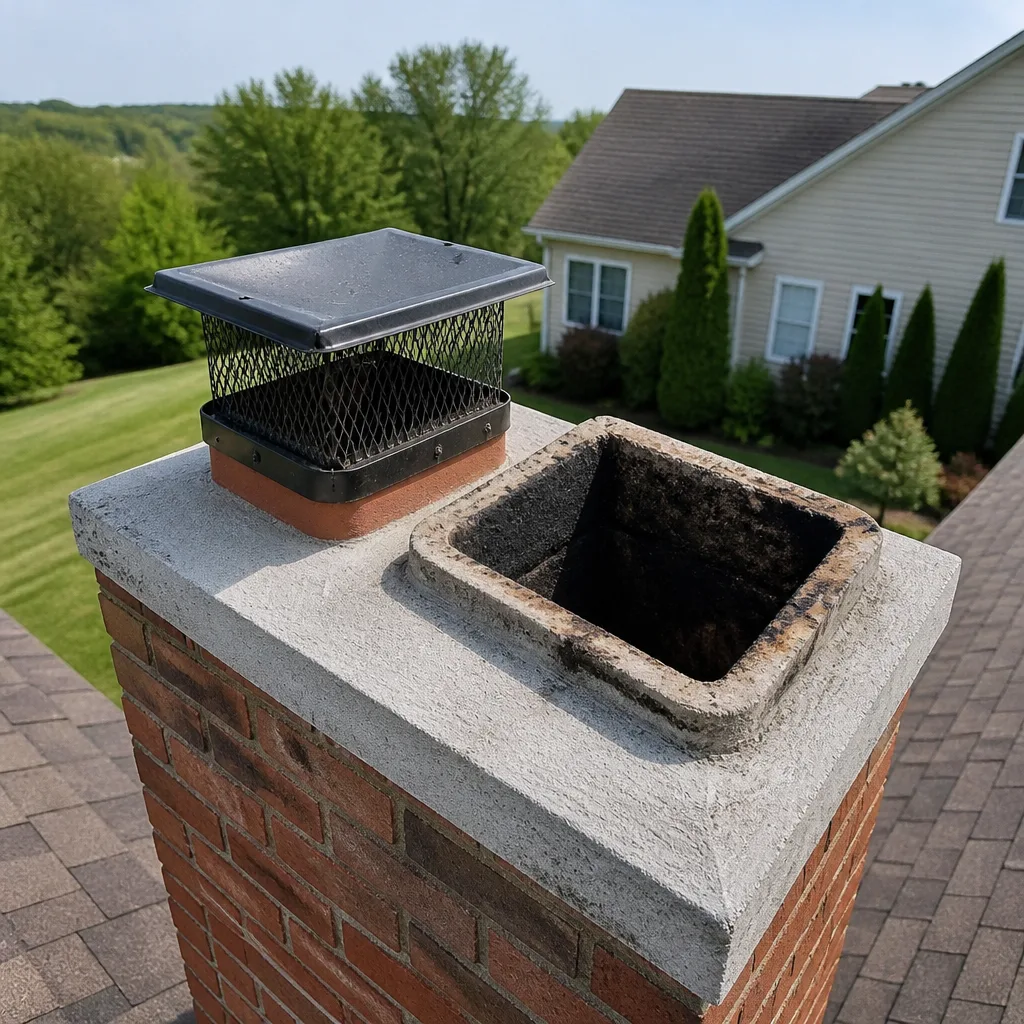
- Cap damage. Check the concrete or masonry crown at the very top. Cracks, chips, or a crown that no longer slopes away from the flue are letting water in. A missing or damaged cap lets rain, snow, and wildlife straight down the flue.
- Interior water staining. Look at the ceiling around the chimney breast and the damper area inside the firebox. Rust-colored stains, white efflorescence, or dark streaks mean water is finding a path in.
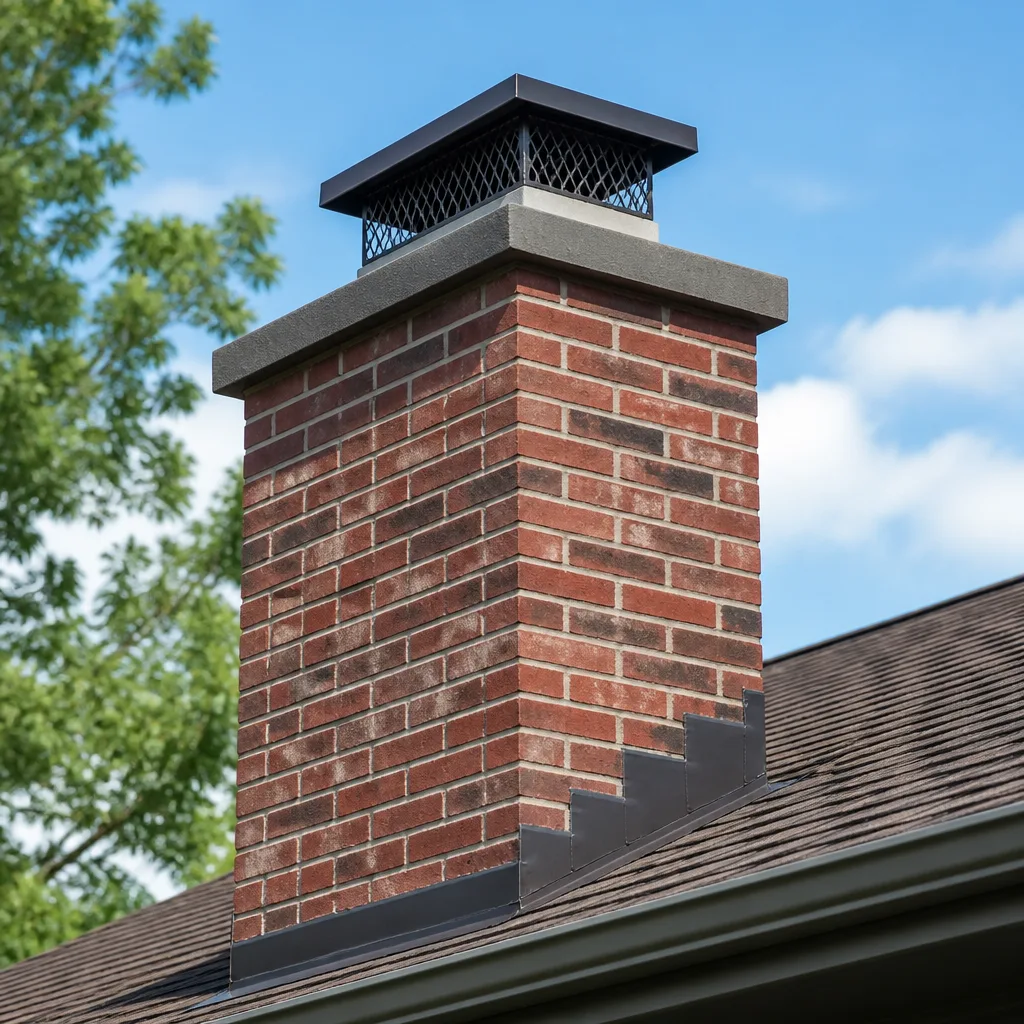
- Flashing and roof interface. The metal or membrane where the chimney meets the roof is a common failure point every spring.
Spring findings should be documented and prioritized, not rushed into repair. We use a camera to look up the flue and produce a photo report so you can see what we see. Nothing gets recommended without evidence. If a crown has a hairline crack but the liner is sound, that’s a summer crown job, not a spring emergency. If spalling is significant, we note it and schedule it before the next freeze.
What to check yourself in spring
- Look up at the chimney from the street or yard and note any obvious missing brick or crumbling mortar.
- Check the ceiling and walls near the chimney breast for new stains.
- Look inside the firebox and around the damper for rust or white powder.
- Note any cap that’s tilted, cracked, or missing.
- Book an inspection if you see anything that concerns you.
Don’t climb the roof yourself. Rooftop work on East Village buildings means steep pitches, old surfaces, and height. Leave the close look to someone trained and equipped for it.
Summer: The Best Window for Repair Work
Summer is the right season for chimney repair work, and it’s the season most homeowners skip. Here’s why it works: dry conditions let masons and repair crews get materials to cure properly before the first fire. Mortar, crown mixes, and flue-lining systems all need controlled conditions, and summer delivers them. A crown poured in July has weeks to cure. A liner installed in August is ready long before October. If you wait until the first cold week of November, you’re competing for scheduling with every other homeowner who waited, and the work is being done in conditions that make curing slower and less reliable.
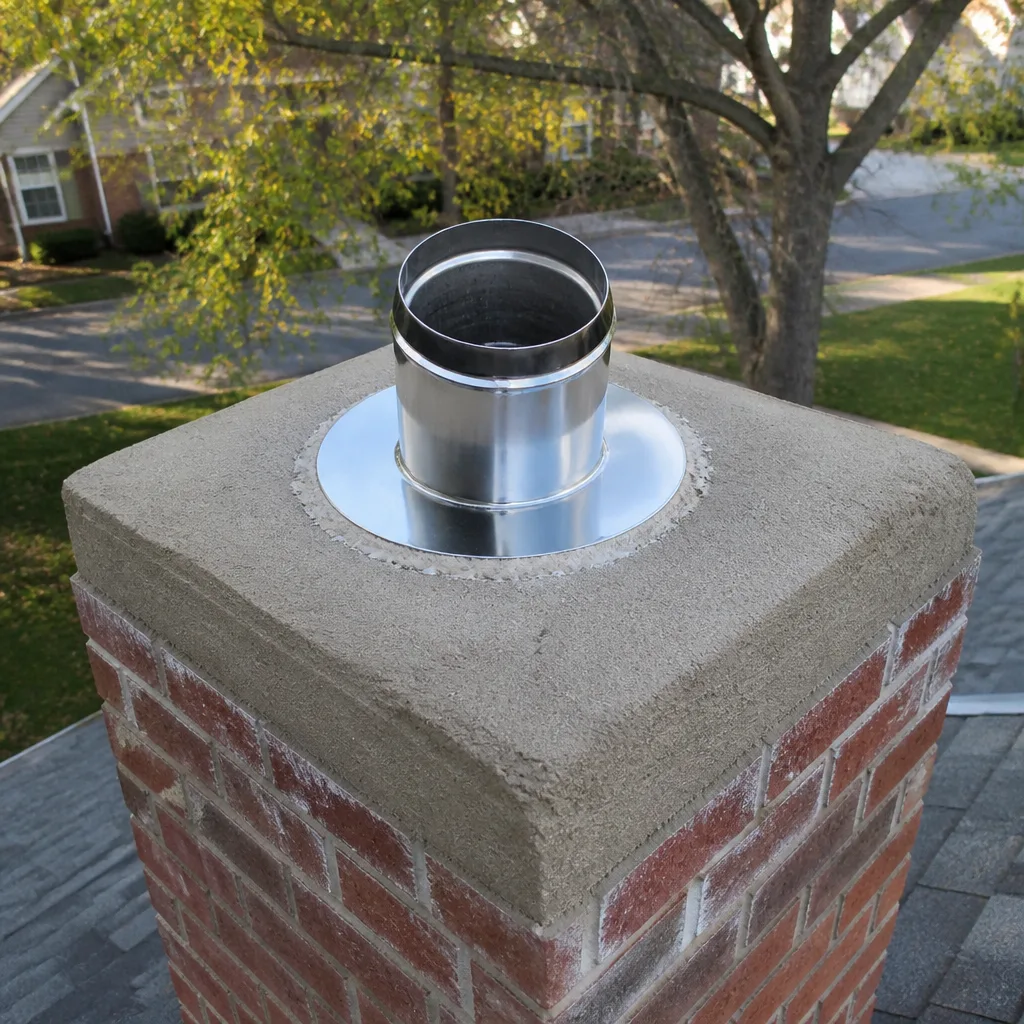
Summer is also when a liner inspection pays off. A closed flue, a camera run up the stack, and a written report on the liner’s condition take less than an hour and answer a simple question: is the liner that carries combustion gases safely still doing its job? On an older East Village building, liners are often original clay tile that may have cracked or spalled in ways you can’t see from the firebox. Camera inspection finds those. If the liner needs resurfacing, we can spec HeatShield as a manufacturer-backed repair system for flue resurfacing, and if the liner needs full replacement, we work with Olympia Chimney and DuraFlex for professional-grade lining components. You can read more about our approach on our chimney repair page.
What gets done in summer
- Crown repair or rebuild. A cracked crown is repaired or repoured so it sheds water again.
- Repointing. Mortar joints are ground back and repacked so the stack holds its brick.
- Liner inspection and resurfacing. Camera-first inspection, then HeatShield resurfacing or liner replacement only where the evidence supports it.
- Cap installation. A proper cap keeps rain, birds, and debris out. Our chimney cap & crown page covers the options.
- Fireplace repair. Firebox cracks, damper issues, and hearth problems are addressed while the fireplace is idle.
The single-source advantage is that inspection, diagnosis, and repair happen in one relationship. You don’t get a report from one company and call three others to do the work. We inspect, we diagnose, we repair. That’s the model.
Fall: Sweep and Inspection Sequencing Before the First Fire
Fall is the season everyone associates with chimney work, and it is the right season for a sweep and a full inspection. But timing matters more than most people realize. Late September beats November, and here’s why sequencing matters.
A sweep loosens and removes soot and creosote deposits from the flue and firebox. That should happen before the inspection, not after, because the inspection can then evaluate the clean surfaces of the liner and flue. If you inspect a dirty flue, you’re looking through the deposits and missing what’s underneath. The sequence is: sweep first, inspect second, then decide on any repairs.
- Book the sweep for late September or early October. That gives you a clear picture of the flue before you start burning, and it leaves room in the calendar if repairs are needed before the first fire.
- Sweep the flue and firebox. Remove deposits so the inspection reads true.
- Run the inspection with a camera. Look at the liner, the smoke chamber, the damper, and the firebox. You get a photo report.
- Confirm the cap and crown are intact. Fall is a good time to catch a cap that shifted or a crown that cracked over summer.
- Address any findings. If the inspection shows a cracked liner or a damaged crown, you have fall to get it fixed before first use, or you can schedule it for the summer window if it can safely wait.
Why late September? Because by November, every homeowner in East Village is booking at once, rooftops are slick, and the weather is working against repair work. A September sweep puts you ahead of the rush and gives the system time to be repaired properly if the inspection finds something. Our chimney sweep service follows exactly this sequence.
Winter: What to Monitor During Active Use
Once the fire is burning regularly, your job shifts from scheduling to observing. Winter tells you how the chimney is performing under load, and a few simple signals tell you whether it’s working well or quietly failing.
- Draft behavior. A fireplace that smokes back, hesitates to start, or pulls weakly may have a blocked flue, a partial obstruction, or a draft problem. If draft changes from last season, that’s information.
- Odor changes. A stronger creosote smell, a smoky odor in the room even when the fire is out, or a smell you didn’t have before can point to deposit buildup or a liner issue.
- Visible deposit buildup in the firebox. Look at the firebox walls and the damper area. Heavy dark, shiny deposits indicate creosote, which can ignite. If you see glazed creosote accumulating quickly, that’s a signal to schedule a sweep.
- Smoke where it doesn’t belong. Any smoke coming through the damper, into the room, or from a joint is a stop-and-check moment.
Creosote buildup is also the reason chimney fires happen. A chimney fire can be loud and obvious, or quiet and smoldering, and it doesn’t always announce itself. Carbon monoxide is a separate hazard: a blocked or damaged flue can let combustion gases back into the home, and because CO has no odor, the only reliable defense is a working CO alarm on every level and at least one near the sleeping area. That’s not scare talk. It’s a reason to take the winter signals seriously and get them checked. Winter is monitoring season, not repair season. Log what you notice and schedule the repair for spring or summer when conditions allow proper work.
A Year-Round Maintenance Calendar
Here’s the seasonal calendar we recommend for East Village homeowners. It’s built around what each season actually allows, not around a single October appointment.
- Spring (March to May): Visual inspection of the stack, crown, cap, and flashing. Interior check for water staining. Book a professional inspection if anything looks wrong.
- Late spring (May to June): Schedule any repair work the spring inspection identified. Get on the summer calendar early.
- Summer (June to August): The repair and lining window. Crown work, repointing, liner inspection and resurfacing, cap installation, and fireplace repair. Curing conditions are best now.
- Late summer (August to early September): Confirm any completed repair has been rechecked. Book the fall sweep.
- Fall (late September to October): Sweep first, then inspect. Confirm the system is ready before the first fire. Address findings now if you can do so safely.
- Winter (November to February): Monitor draft, odor, and deposit buildup. Keep the CO alarm tested. Log anything that changes and schedule the repair for the next dry window.
- Annually: Full inspection with a camera and photo report, regardless of whether you think it needs it.
If you’re wondering how often the sweep itself should happen, the honest answer depends on use. A home that burns firewood regularly through the winter needs more frequent sweeping than one that lights a fire a dozen times a season. A gas fireplace doesn’t produce creosote the way wood does, but it still needs inspection. We recommend an annual inspection and a sweep frequency set by what the inspection finds and how much you burn.
See the difference
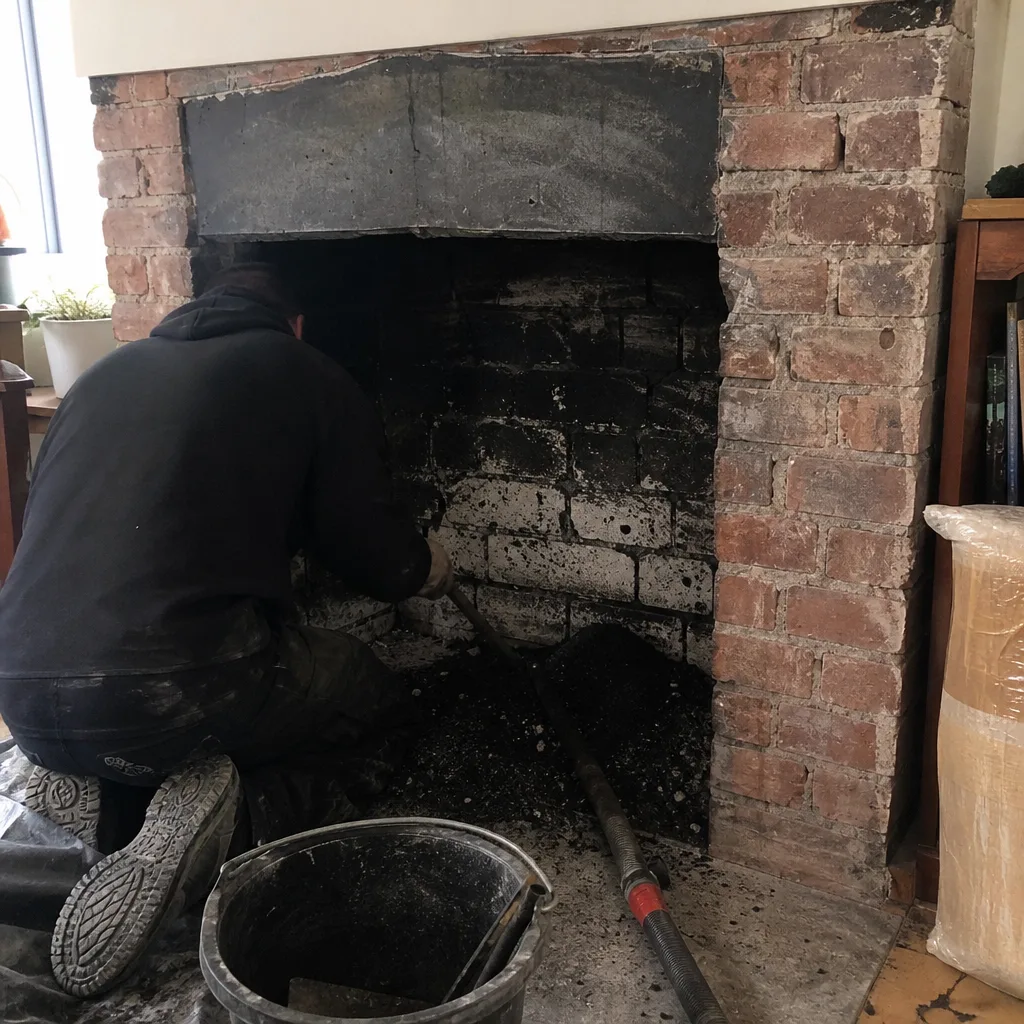 Before
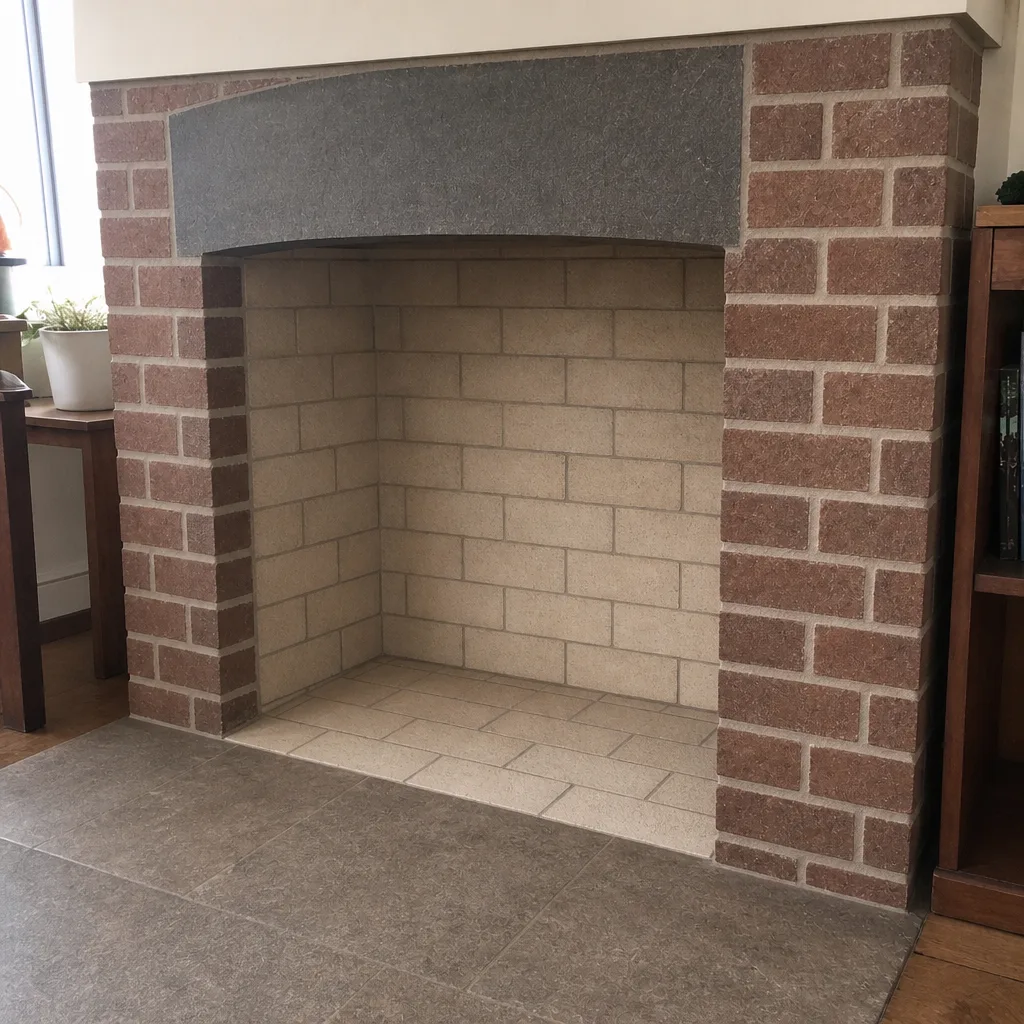 After
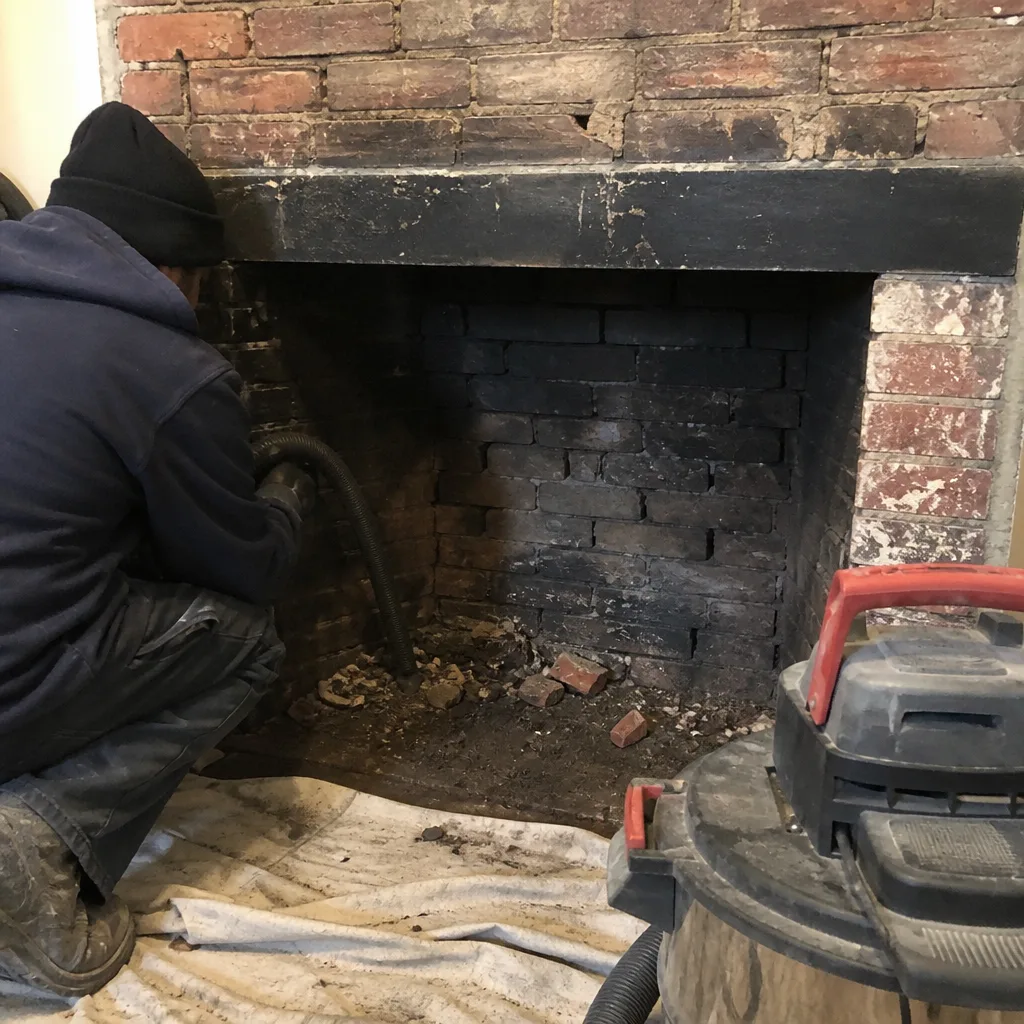 Before
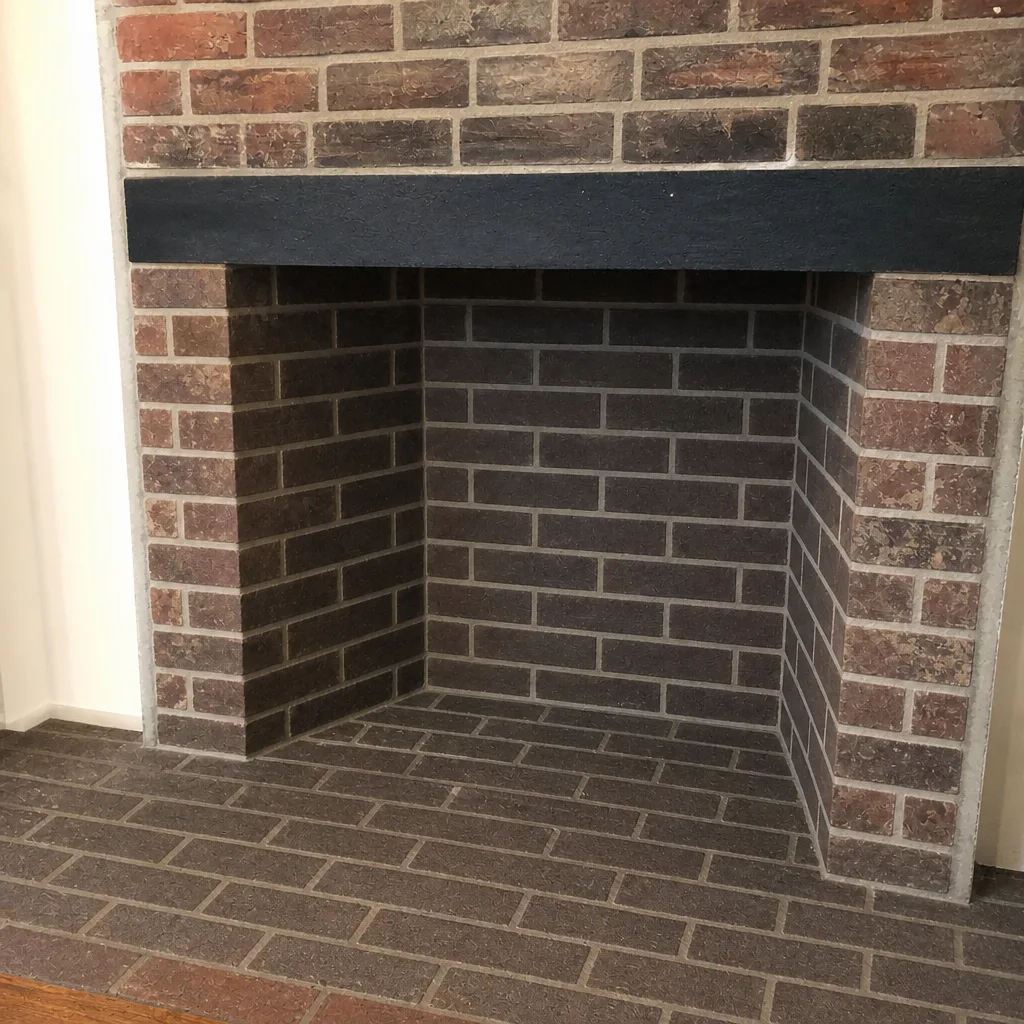 After
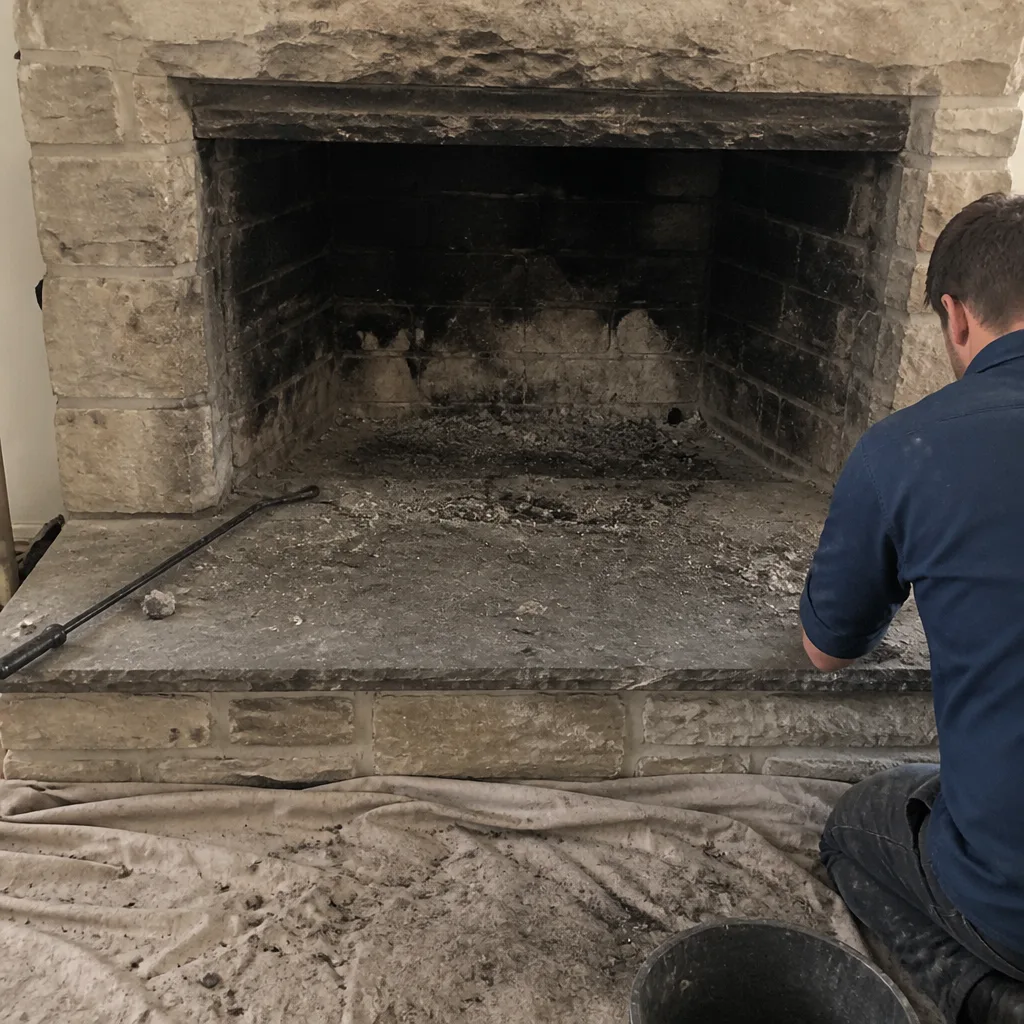 Before
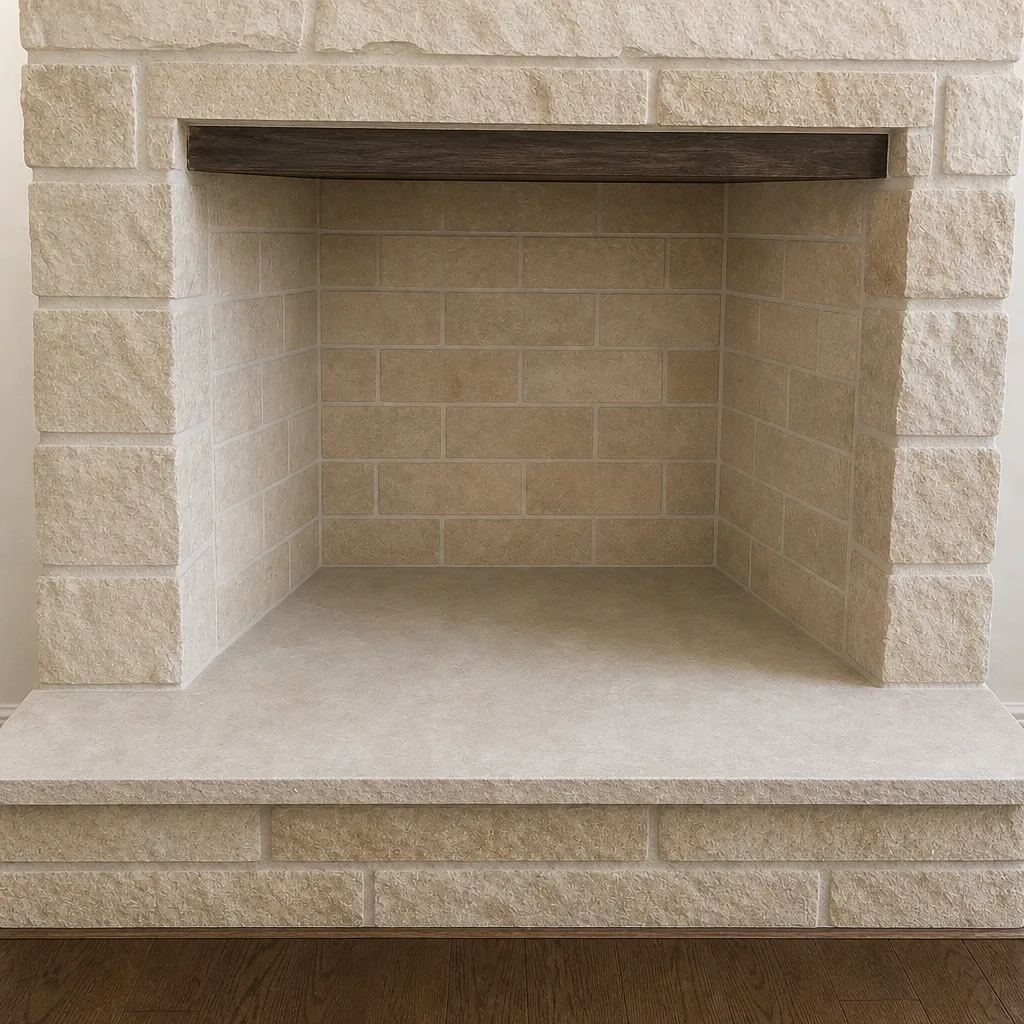 After
Common Mistakes to Avoid
- Skipping summer repairs because the fireplace is off. Summer is the single best window for work because materials cure properly and the schedule is open. Waiting until fall puts you in a rush and shortens the repair calendar.
- Inspecting before sweeping. Deposits hide the liner. Sweep first, inspect second, and you get an accurate read on the flue.
- Buying the cheapest sweep and calling it maintenance. A sweep cleans. It doesn’t diagnose. A full inspection with a camera is what tells you whether the liner, crown, or cap is failing. A sweep tells you what’s dirty; we tell you what’s wrong.
- Ignoring a cracked crown because no water is coming in yet. The crack is the problem. Water will find it. Crown repair in summer costs far less than water damage to masonry and framing later.
- Skipping the CO alarm test. A blocked or cracked flue can vent combustion gases into the home with no odor. Test the alarm seasonally and keep it working.
- Letting a cap go missing. An open flue lets rain, birds, and debris straight in. Cap work is preventive, and it’s cheap compared to the damage an open flue can cause over a winter.
- Using a general contractor for chimney work. Chimney and fireplace systems have their own diagnostics, materials, and code requirements. A contractor moonlighting in chimney work will miss things a specialist sees. We specialize exclusively in chimney and fireplace systems.
When to Call a Professional
Call a professional when you see anything on the list that suggests a problem beyond surface soot. That includes: spalling brick or crumbling mortar on the stack, a cracked or shifted crown, a cap that’s damaged or missing, water staining on the ceiling or walls near the chimney, smoke backing into the room, a change in draft or odor, visible glazed creosote in the firebox, or a CO alarm that has ever sounded. Call if it’s been more than a year since the last inspection, or if you’ve bought an East Village home and don’t know when the chimney was last serviced. Chimney Sweep East Village offers free estimates in East Village – call (844) 443-3695. We’ll inspect with a camera, show you the photo report, tell you what’s wrong and what can safely wait.
Frequently Asked Questions
Most wood-burning chimneys should be swept once a year, but the actual frequency depends on how much you burn and what the inspection finds. A homeowner who burns regularly through the winter may need more frequent sweeping than one who lights occasional fires. The right approach is an annual inspection that determines whether a sweep is needed.
Summer gives repair materials time to cure properly before the first fire, and the schedule is less crowded than it is in October and November. Crown repairs, repointing, and liner work all benefit from dry, warm conditions. A crown poured in July is set long before you need the fireplace.
The dense built environment of East Village absorbs and re-radiates heat, which widens the daily temperature swings an exposed chimney stack sees compared to a shaded suburban home. That means more expansion and contraction cycles over a summer, which is one reason crowns crack in July rather than winter.
Yes. A fireplace can seem to work fine while the liner is cracked or spalling, because the failure isn’t visible from the firebox. A camera inspection shows the condition of the flue and produces a photo report you can see for yourself. Nothing gets recommended without evidence.
Watch draft behavior, odor changes, and visible deposit buildup in the firebox. Any smoke coming into the room, a weaker draft than last season, or a stronger creosote smell are all signals to schedule a check. Keep a working CO alarm on every level and test it seasonally.
We inspect, diagnose, and repair as a single source. If the inspection shows a crown issue, a liner problem, or cap damage, the same relationship handles the repair. That’s part of why we work with professional-grade brands like HeatShield, Gelco, and Olympia Chimney.
The Bottom Line
Chimney care in East Village is a year-round job, not a fall appointment. Spring is for reading winter damage and documenting it. Summer is the right window for the repairs, when conditions let materials cure before the first fire. Fall is for the sweep and inspection that confirms the system is ready. Winter is for watching what the chimney tells you under load. The urban heat island amplifies thermal cycling on exposed stacks, which makes seasonal attention more valuable here than in a lot of places. If you take one thing from this guide, it’s that a sweep cleans and an inspection protects. Book the inspection, see the photo report, and let the evidence drive the repair schedule.
Contact
Whether you’re overdue for a sweep, you’ve spotted a crack in the crown, or you just want a straight answer on the condition of your liner, we’re ready to help. Call (844) 443-3695 for a free estimate. We answer 24/7. Fast dispatch, 7am-7pm, Sunday through Friday. We handle the full chimney system, from the firebox to the crown, and we’ll tell you plainly what’s wrong and what can safely wait.
Written by the team at Chimney Sweep East Village.