
Last updated November 25, 2026
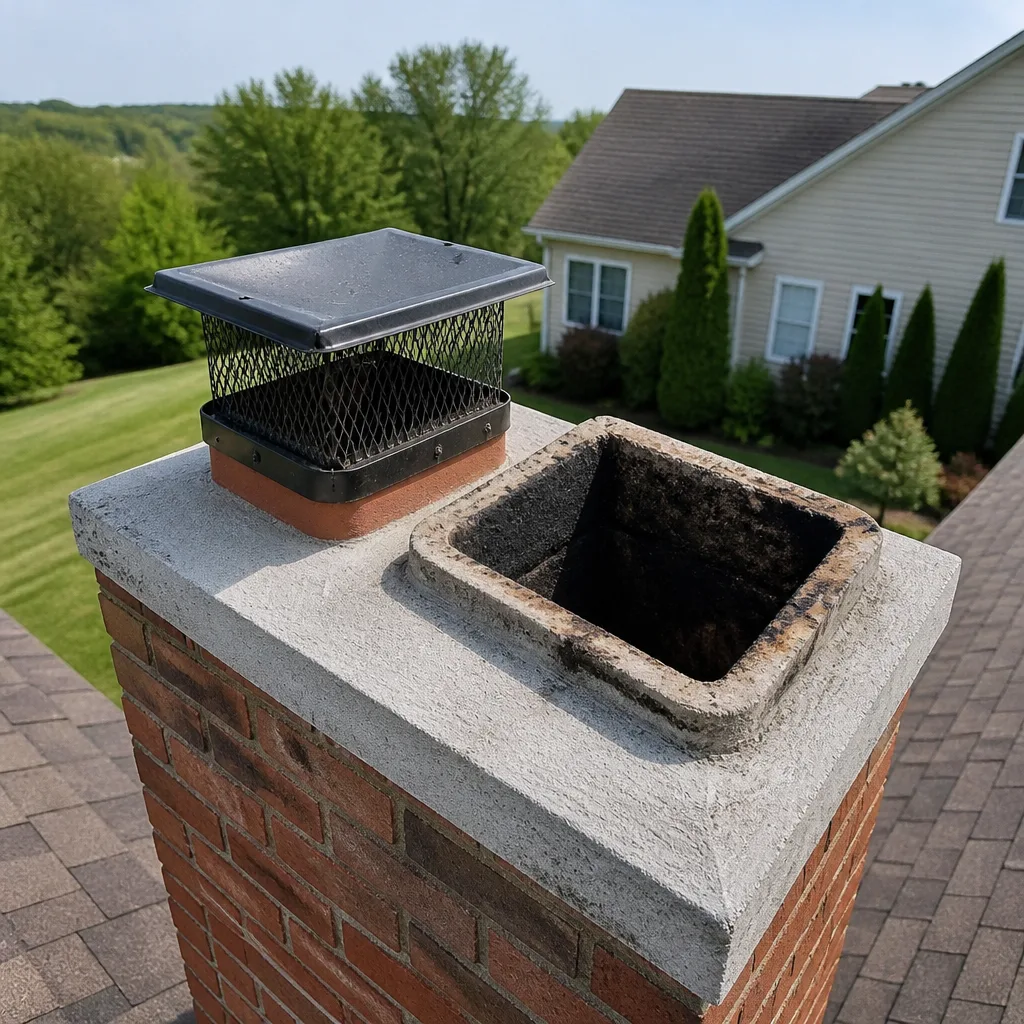 Sweep & inspection
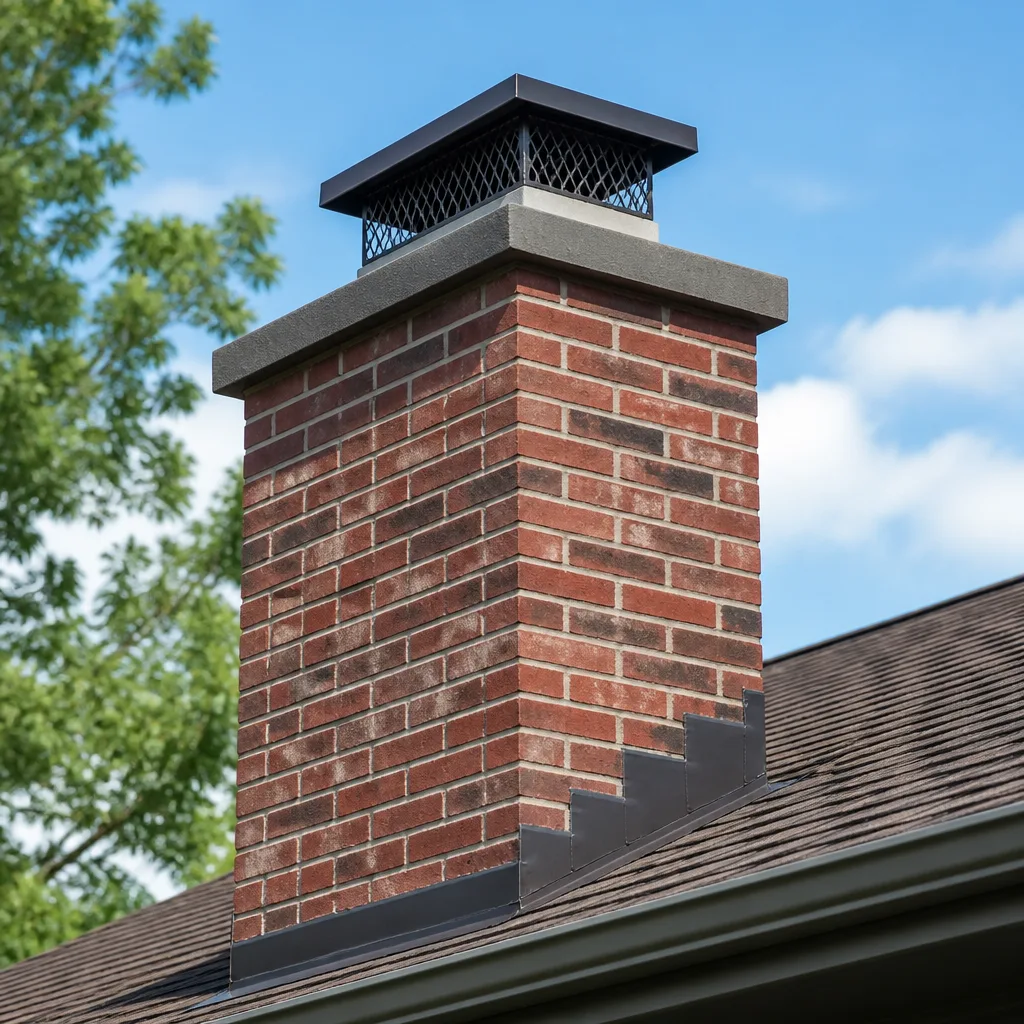 Caps & crowns
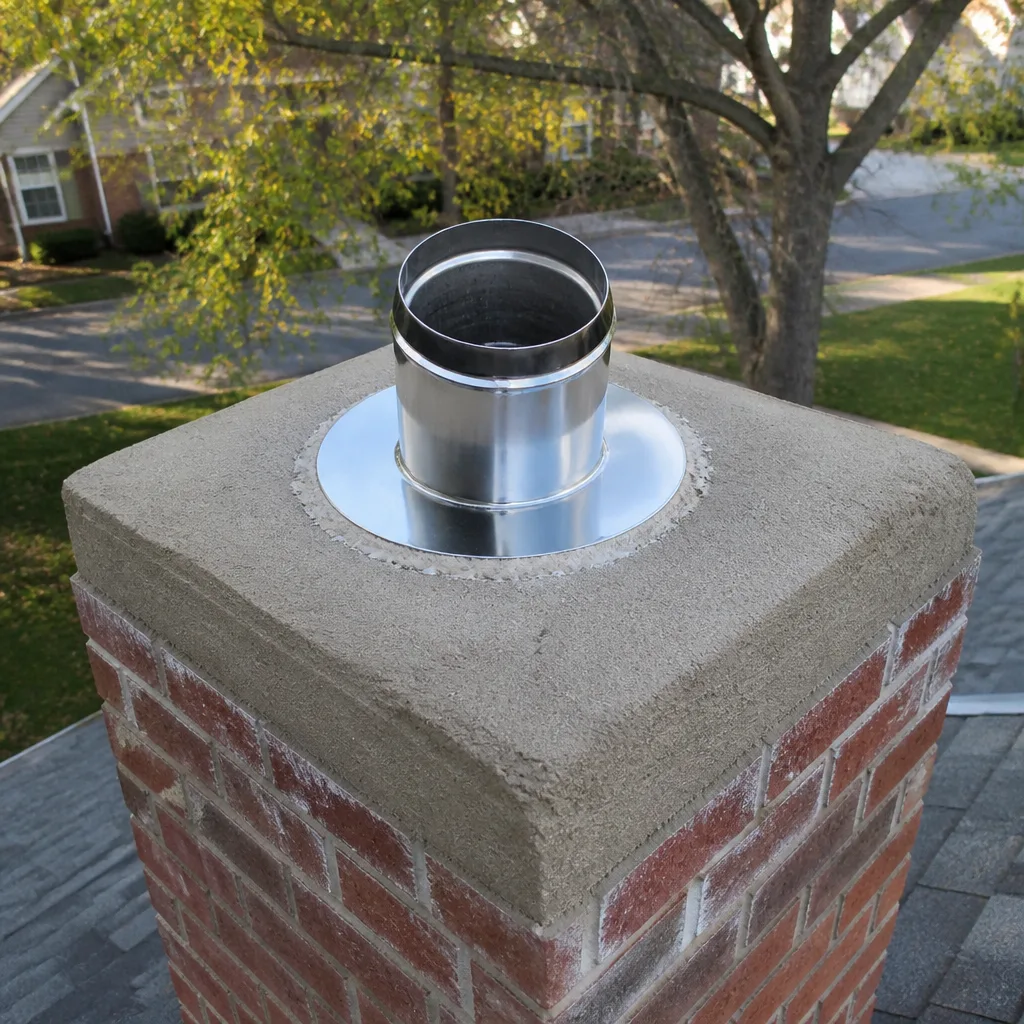 Flue relining
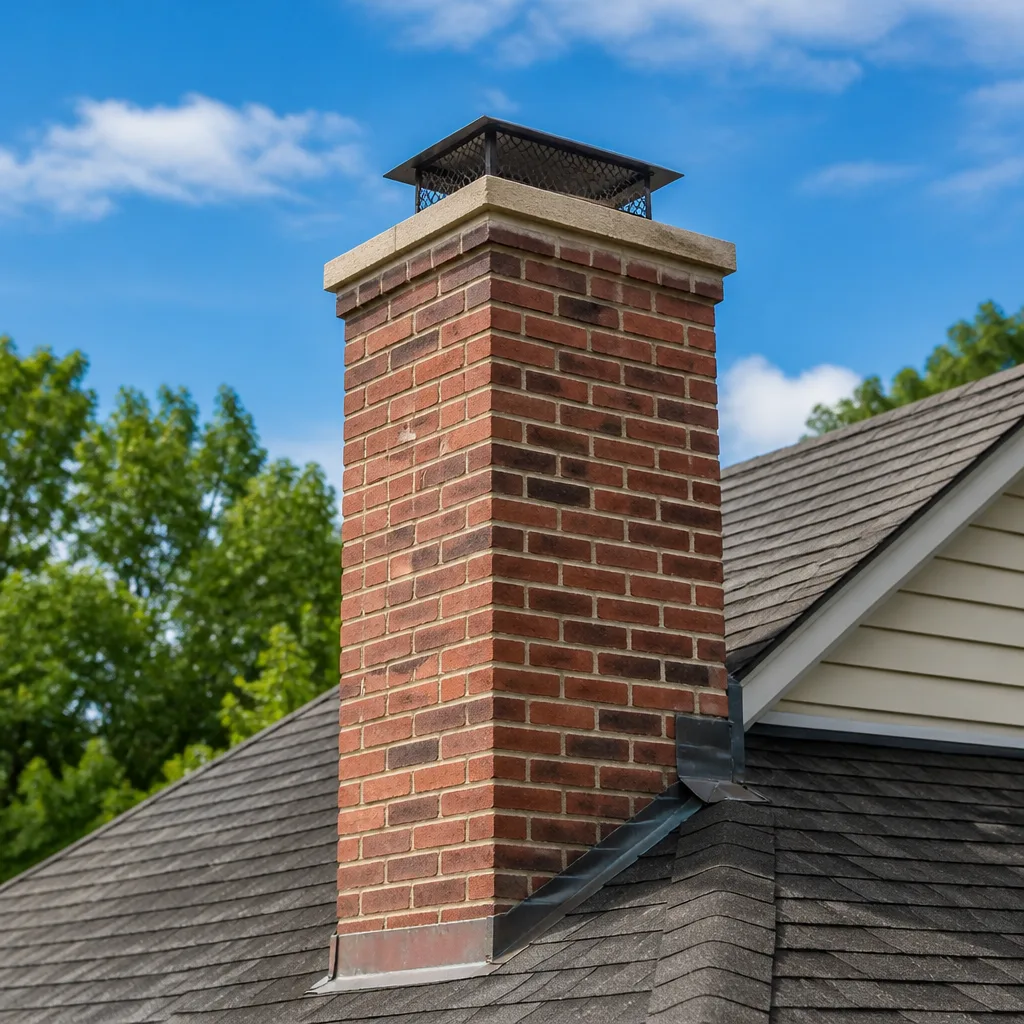 Masonry repair
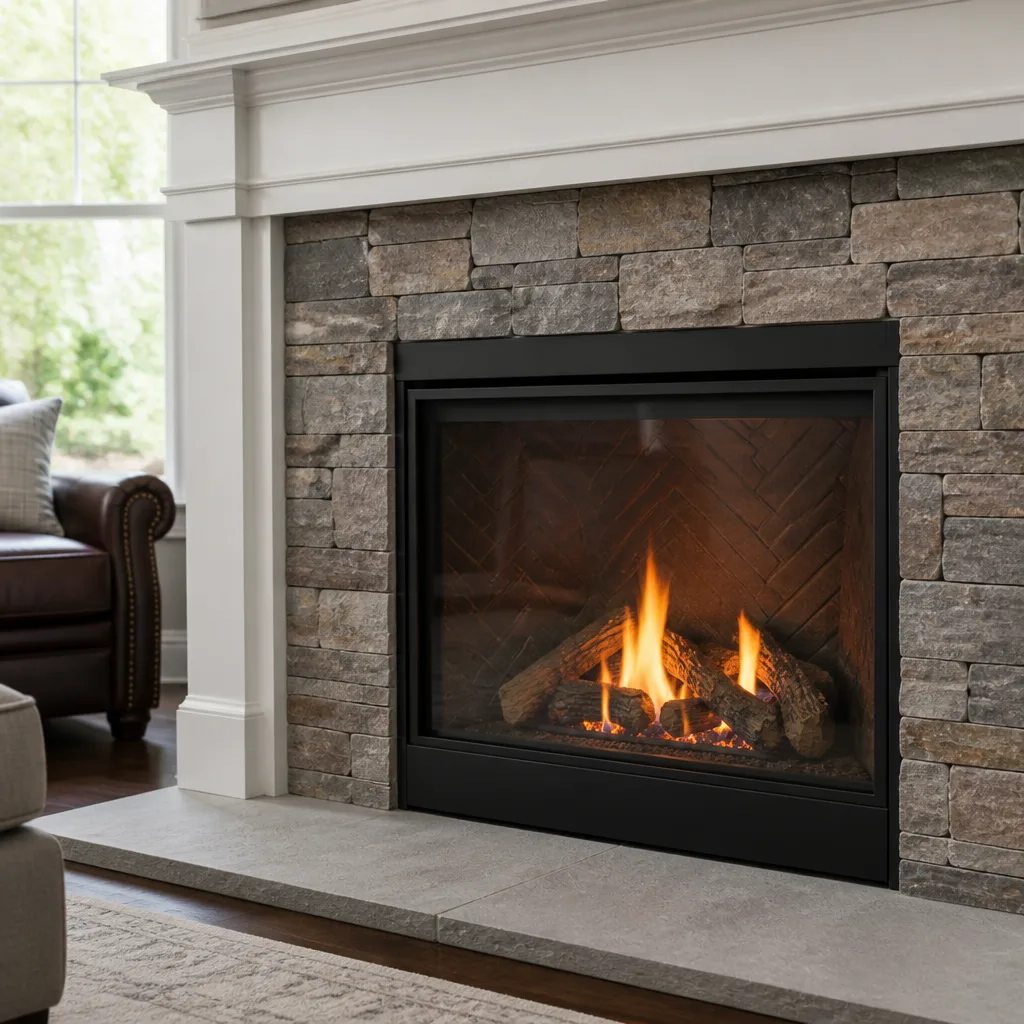 Gas fireplace service
Level 1 sweep and inspection to the NFPA 211 annual standard - flue, crown, cap, and flashing checked and photographed
Chimney sweep logs do not sweep chimneys. They loosen some creosote - which then falls where a brush and vacuum still have to collect it.
Chimney Cleaning Permits, Codes & Inspections in East Village, NY: What You Need to Know
Most chimney work in New York City needs no permit at all, and that’s exactly why so many homeowners get the rest of it wrong. A sweep is maintenance. A liner replacement is an alteration to the building, and alterations follow a different set of rules under the NYC Building Code. The gap between those two categories is where problems live: a job that was never filed can sit on a property record as an open violation, and you tend to find out at the worst possible moment, during a title search or an insurance review after a chimney fire. This guide explains where the line falls, what a DOB filing for chimney work actually involves, how NFPA 211 interacts with New York City’s local rules, and what an inspection report needs to document. We’ll also walk through how to check past work on a property before you buy it. If you own or are buying in East Village, this is the paperwork side of chimney ownership, and it’s worth understanding before you need it.
Quick Answer
Routine chimney cleaning and inspection in East Village do not require a DOB permit. Structural repair, liner replacement, and other alterations to the chimney system generally do require a filing, and liner work in NYC is typically handled under an Alteration Type 2 (Alt-2) application pulled by a licensed professional. NFPA 211 sets the national standard for chimneys, fireplaces, and vents, and New York City applies its own amendments and filing requirements on top of it.
Styles & brands we work with
- Sweep & inspection
- Caps & crowns
- Flue relining
- Masonry repair
- Gas fireplace service
Table of Contents
- Where Maintenance Ends and Alteration Begins
- What a NYC DOB Alt-2 Filing for Chimney Work Involves
- NFPA 211 and New York City’s Local Amendments
- What a Level 2 Inspection Report Documents
- Why the Inspection Report Matters for Insurance
- How to Verify Past Chimney Work Before You Buy
- Chimney Codes in the East Village’s Building Stock
- Who Is Qualified to Pull a Chimney Permit
Where Maintenance Ends and Alteration Begins
The dividing line sounds simple and isn’t: cleaning and inspection are maintenance, and anything that changes the chimney system is an alteration. Sweeping removes creosote. A Level 1 or Level 2 inspection documents condition. Neither one touches the structure, so neither triggers a filing. Replace the liner, rebuild a crown, reset firebox masonry, or change the flue configuration, and you’ve altered a building component. That’s the point where the code’s attention turns to your chimney.
In practical terms, here’s how we sort jobs when a homeowner in East Village asks whether a permit is involved:
- No permit: routine sweeping, Level 1 and Level 2 inspections, cap installation where the flue termination isn’t being reconfigured, minor firebox cleaning.
- Permit territory: liner replacement, flue resizing, masonry rebuilds that affect structural elements, crown replacement where the chimney top is being reconstructed, and any work that changes how the appliance vents.
- In between, ask: a new cap on an existing crown, minor mortar joints, damper work. These can fall on either side depending on scope, and the right answer is to ask the DOB or a licensed professional rather than guess.
The reason this matters more than it seems: unpermitted alteration work can sit on a building record as an open issue. It doesn’t necessarily surface when the job is finished. It surfaces years later, when a buyer’s attorney runs the title search and a violation appears against the address. We’ve seen homeowners discover this at the least convenient moment in a sale, and untangling it takes longer than filing correctly the first time. Our chimney repair work always starts with the question of whether a filing is required before anything is touched.
What a NYC DOB Alt-2 Filing for Chimney Work Involves
An Alteration Type 2 filing is the application the NYC Department of Buildings uses for alterations that don’t change a building’s use, occupancy, or egress. Liner replacement and most structural chimney repairs fall here. The filing is submitted by a licensed professional, reviewed by the DOB, and once approved the work can proceed, followed by an inspection to close it out. That last step, the close-out, is the one people forget, and it’s the one that leaves a record showing as unresolved.
What the process generally involves:
- Scope documentation. The filing describes exactly what work is being done to the chimney system, which is why a proper inspection comes first.
- Application submission. A licensed professional submits the Alt-2 application to the DOB with plans and scope.
- Plan review. The DOB reviews the application. Some jobs move through quickly, others raise questions that need answers before approval.
- Permit issuance. Work can’t start until the permit is issued.
- Inspection and sign-off. After the work is complete, the job is inspected and the permit is closed out, which is what keeps the record clean.
For a liner replacement in an East Village building, that sequence matters because the liner itself is a code-regulated component. A properly sized, listed liner is what the code is checking for. Our liner work specifies professional-grade materials like DuraFlex and Olympia Chimney, and the filing references what’s actually being installed. If you’ve been told a liner job needs no paperwork at all, ask why. The answer is sometimes legitimate and sometimes just an assumption nobody checked.
NFPA 211 and New York City’s Local Amendments
NFPA 211 is the national standard for chimneys, fireplaces, vents, and solid fuel-burning appliances. It covers clearances to combustibles, liner requirements, inspection levels, and the conditions under which a chimney is considered unsafe to use. New York City adopts the standard as part of its code framework and then amends and layers local requirements on top: filing procedures, licensing, and inspection expectations that a generic national guide won’t tell you about.
In practice, this means two things for an East Village homeowner. First, the standard gives you a shared vocabulary. When an inspector says a chimney fails clearance requirements or the liner isn’t suitable for the appliance, that’s NFPA 211 language, and it’s the same standard a buyer’s inspector will use. Second, the local layer means the paperwork side is NYC-specific. A contractor who works across state lines may be excellent at the technical side and unfamiliar with the DOB process. Both matter.
The standards and the code aren’t in conflict. They operate at different levels. NFPA 211 tells you what a safe chimney looks like. New York City’s code tells you what has to be documented, filed, and inspected to prove the work meets that standard in this jurisdiction. When we scope a job, we work from both: the physical standard first, then the filing requirement that follows from it. A chimney can pass the technical standard and still leave a property record problem if the work wasn’t filed correctly.
What a Level 2 Inspection Report Documents
A Level 2 inspection is the standard inspection for a chimney that’s changing hands, changing appliances, or has had a chimney fire. It goes beyond the visual check of a Level 1 by including accessible portions of the flue interior, typically with a camera, plus attics, crawl spaces, and other accessible areas where the chimney passes through the building. The report is the document that turns a verbal “looks fine” into a record you can hand to an insurer, a buyer, or the DOB.
A complete Level 2 report should document:
- The flue interior condition, with photos or camera evidence of what was found.
- Clearances to combustible materials where accessible.
- The condition of the chimney cap, crown, and flashing at the top.
- Whether the liner is suitable for the appliance connected to it.
- Any structural defects in the masonry, firebox, or chimney exterior.
- A clear statement of what needs repair, what can wait, and what is safe to use now.
That last point is the one we care most about. A report that lists fifteen items with no priority order isn’t useful. You need to know which findings are safety issues, which are maintenance, and which can safely wait a season. We build our inspection reports around exactly that distinction, with camera evidence you can look at yourself rather than a description you have to take on faith. If a report recommends thousands of dollars of liner or masonry work, the evidence should be right there in the document.
Why the Inspection Report Matters for Insurance
Insurance claims after a chimney fire are where documentation earns its keep. When a carrier reviews a claim, one of the questions is whether the chimney was maintained and whether any work done to it was done properly. A current inspection report answers the first question. A properly filed and closed-out permit for any prior alteration answers the second. Without either, the claim can get complicated in ways that have nothing to do with whether you did anything wrong.
The report also serves you before a loss, not just after. If an inspection finds a cracked liner or failed joints, you have a dated record showing you identified the problem and acted on it. That’s a materially different position from discovering a defect after an incident. And if the repair itself requires an Alt-2 filing, having the inspection report as the basis for the filing keeps the record consistent from diagnosis through close-out.
For a wood-burning fireplace in East Village, where many buildings are older and chimneys have been modified over the decades, the report is often the only reliable account of what’s actually inside the flue. We can work with your insurer on the documentation side, and we can tell you plainly when a finding needs action and when it can wait. Our full chimney sweep and inspection service is built around giving you a document you can hand to anyone who asks.
How to Verify Past Chimney Work Before You Buy
If you’re buying a property in East Village with a fireplace, the chimney should be on your due diligence list right next to the roof and the boiler. The question isn’t just whether the chimney works. It’s whether any work done to it was permitted and closed out, because an open filing or an unresolved violation against the address becomes your problem after closing. The good news is that the records are checkable before you sign anything.
- Ask the seller for documentation. Any permits, inspection reports, or close-out records for chimney work. A seller who had work done properly usually has the paperwork.
- Check DOB records for the property. The NYC Department of Buildings maintains public records of permits, applications, and violations by address. Look for chimney-related filings and, more importantly, whether they were closed out.
- Order a Level 2 inspection. The inspection tells you the physical condition. The records tell you the paperwork condition. You want both before closing.
- Match the two up. If the inspection shows a newer liner but the DOB records show no filing, that’s a question worth asking before you buy, not after.
This isn’t a reason to walk away from a good property. It’s a reason to know what you’re buying. An open item discovered before closing can be negotiated. The same item discovered during a title search after you’ve moved in is just yours. Buyers in East Village ask us to inspect chimneys all the time, and we’re candid with them: sometimes the chimney is fine and the paperwork is fine, sometimes the physical condition is good but the record isn’t, and sometimes it’s the reverse.
Chimney Codes in the East Village’s Building Stock
The East Village’s building stock shapes how chimney code applies here in ways it doesn’t in newer parts of the city. Walk a block of East Village side streets and you’ll see pre-war tenements, converted townhouses, and older mixed-use buildings side by side. Fireplaces in these buildings have often been through multiple renovations across many decades. Some flues have been relined, some have been capped and abandoned, and some original masonry chimneys still vent a working fireplace.
That history is why the inspection-before-paperwork sequence matters so much here. Where a chimney has been altered, understanding the existing condition comes first. A flue that’s been relined in the past may not need another liner, and a flue that’s been partially capped may vent differently than the appliance expects. The East Village’s shared walls and party-wall construction also mean clearances to combustible materials deserve real attention, because the chimney doesn’t exist in isolation in a building like this. Our technicians have up to 9 years of experience working with older building stock, and they know what a pre-war flue typically looks like from the inside.
One more East Village-specific point: the seasonal use pattern. Fireplace use here concentrates in the colder months, and that’s when a chimney that’s been sitting dormant gets tested. Any inspection or repair you’re considering is worth doing before that first fire of the season, not after. The calendar matters more than the urgency of any single day.
Who Is Qualified to Pull a Chimney Permit
Not everyone who can sweep a chimney can pull a permit for altering one. In New York City, permit filings are submitted by licensed professionals, and the qualifications for a chimney alteration filing are specific. The person or firm named on the filing is the one accountable for the work meeting the scope. That accountability is the whole point of the permit system, and it’s why a sweep-and-go contractor is often the wrong address for a liner replacement.
When you’re evaluating a contractor for permit-requiring chimney work, ask directly:
- Will this job be filed with the DOB, and under what application type?
- Who is the licensed professional of record on the filing?
- Will the work be inspected and the permit closed out, and will I get documentation of the close-out?
- What materials are being specified in the filing?
A straight answer to those four questions separates contractors who understand the process from ones who’ll tell you it doesn’t apply. Our chimney cap & crown and liner work is scoped with the filing requirement in mind from the start, and we specify professional-grade materials like Gelco and Copperfield so the filing describes what’s actually installed. If the scope changes during the job, the filing changes with it. That’s part of what end-to-end scope means.
Common Mistakes to Avoid
- Assuming a sweep covers the paperwork. A sweep is maintenance and needs no permit, which leads some homeowners to assume a liner replacement doesn’t either. It usually does, and the assumption is what creates the open-record problem.
- Skipping the close-out. A permit that was filed but never inspected and closed out looks like an unresolved item on a property record. It’s the equivalent of a repair left half-finished on paper.
- Ordering a Level 1 when you need a Level 2. If a property is changing hands or a chimney fire has occurred, a Level 2 is the appropriate inspection. A Level 1 doesn’t document enough to support a filing or satisfy an insurer.
- Buying a property without checking chimney records. In East Village, where older building stock means more renovation history, a quick check of DOB records against the physical condition is worth more than almost any other due-diligence step on the chimney.
- Taking a verbal report as documentation. “It looked fine” is not a record. Get a written report with photos that can be handed to an insurer, a buyer, or the DOB.
- Choosing on price alone for liner work. The lowest quote for a liner replacement may not include the filing, the inspection, or the close-out. Those are part of the job, not add-ons.
- Waiting until the first cold snap. Inspection and any permit-requiring repair should be done before the first fire of the season, not after a problem shows up.
See the difference
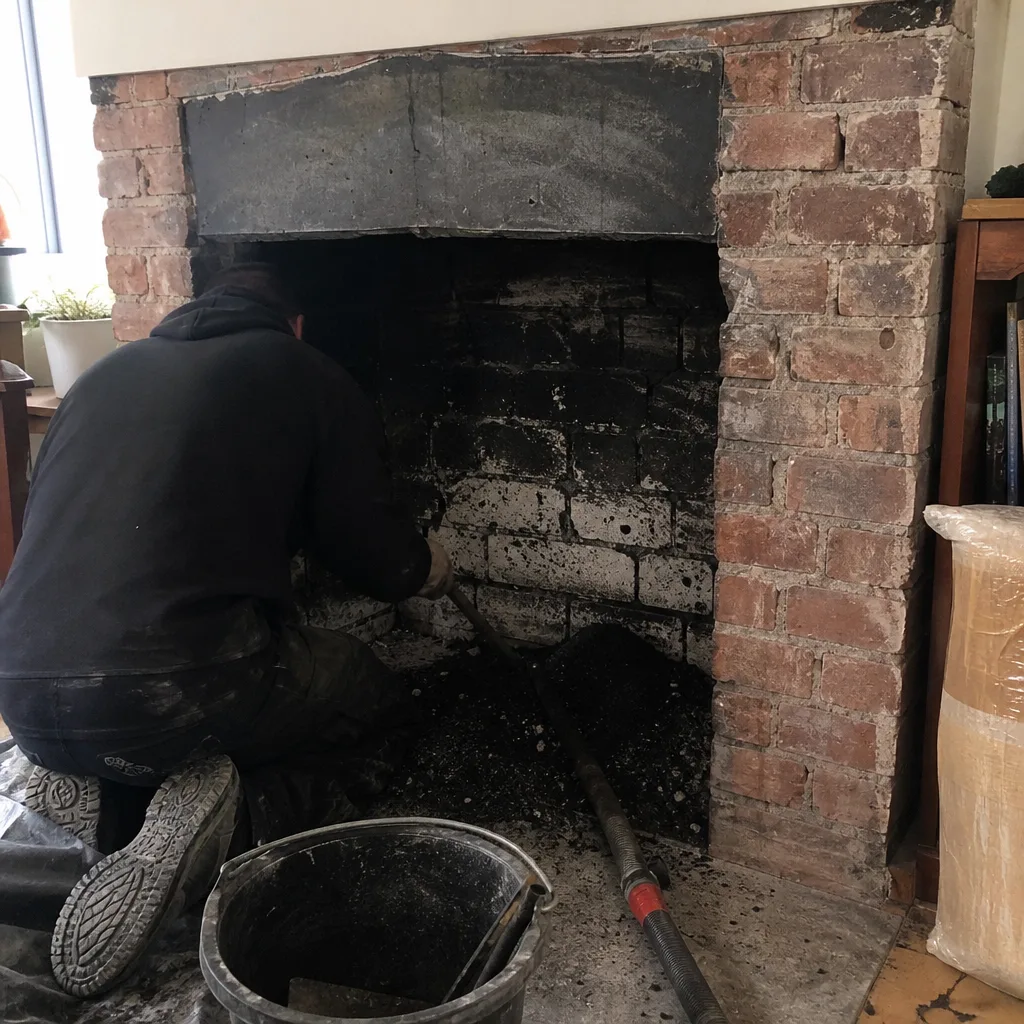 Before
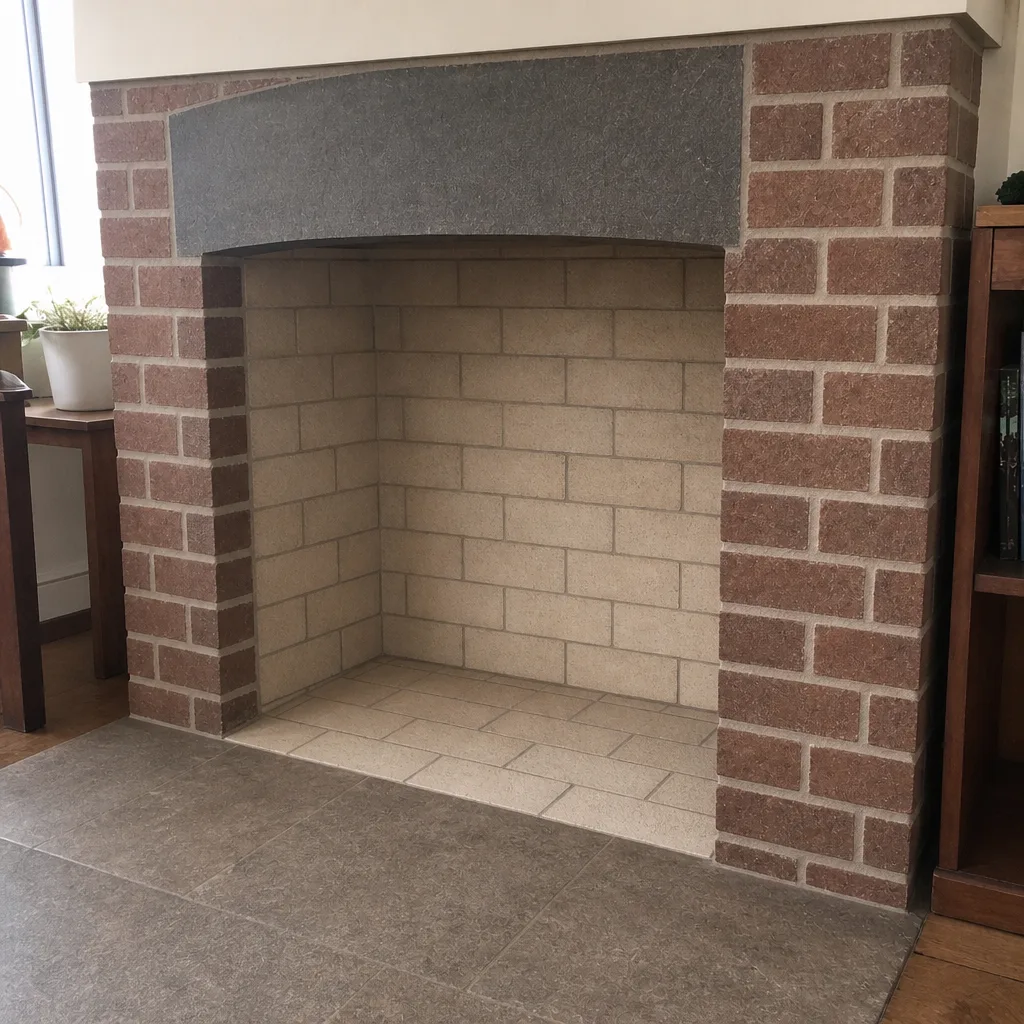 After
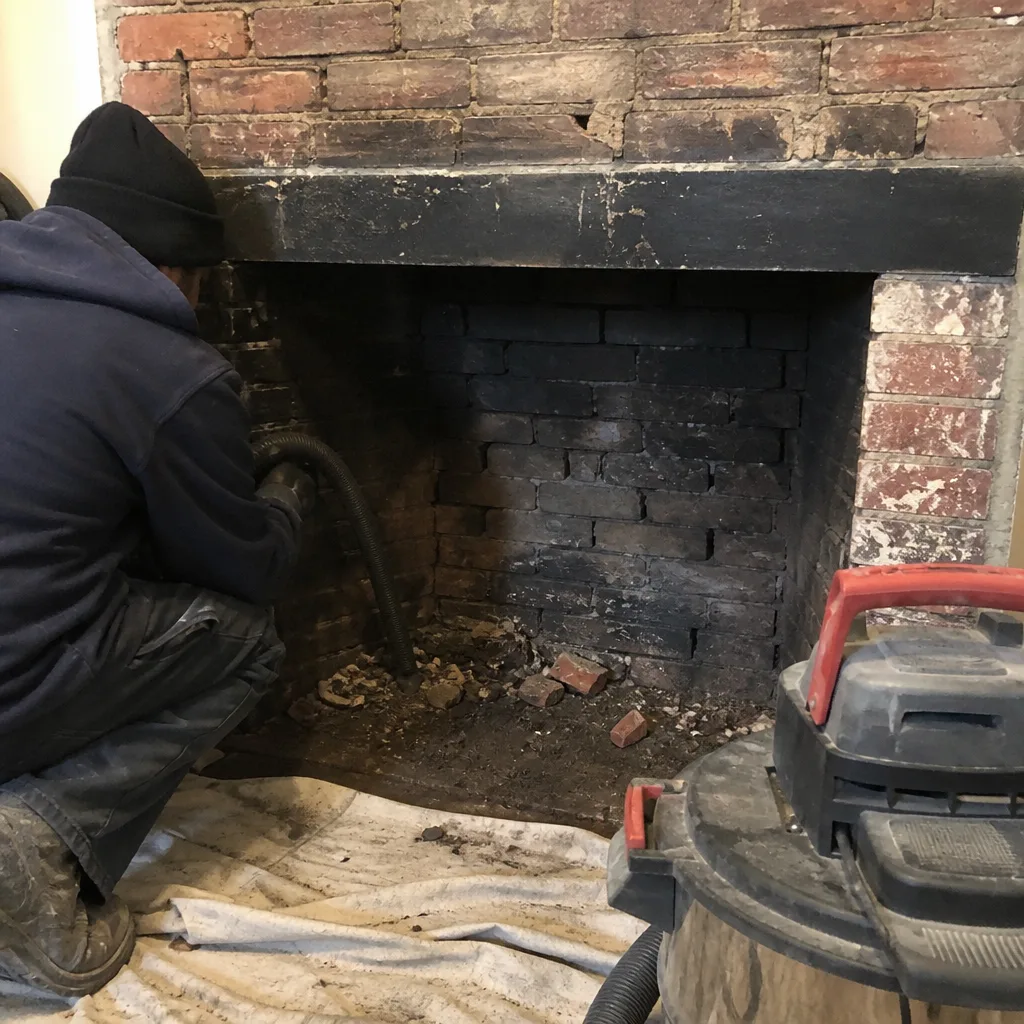 Before
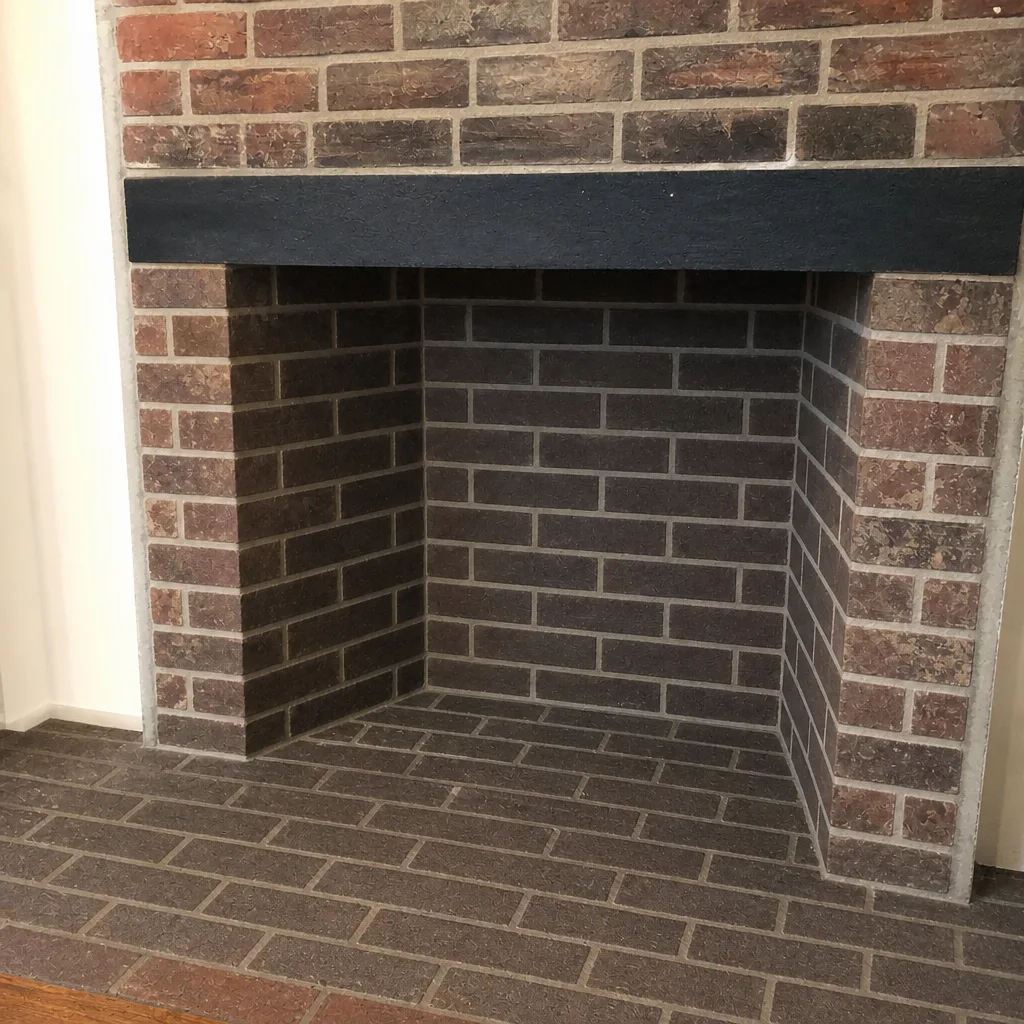 After
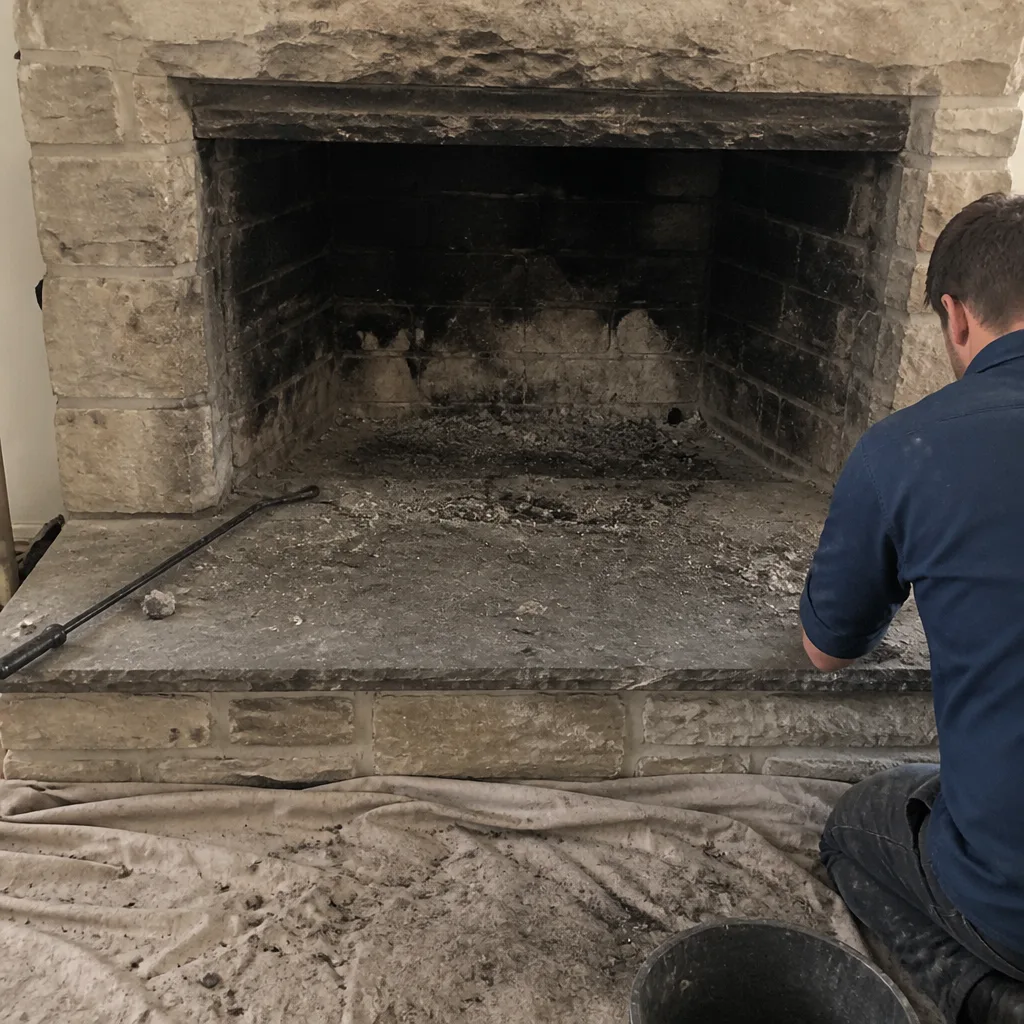 Before
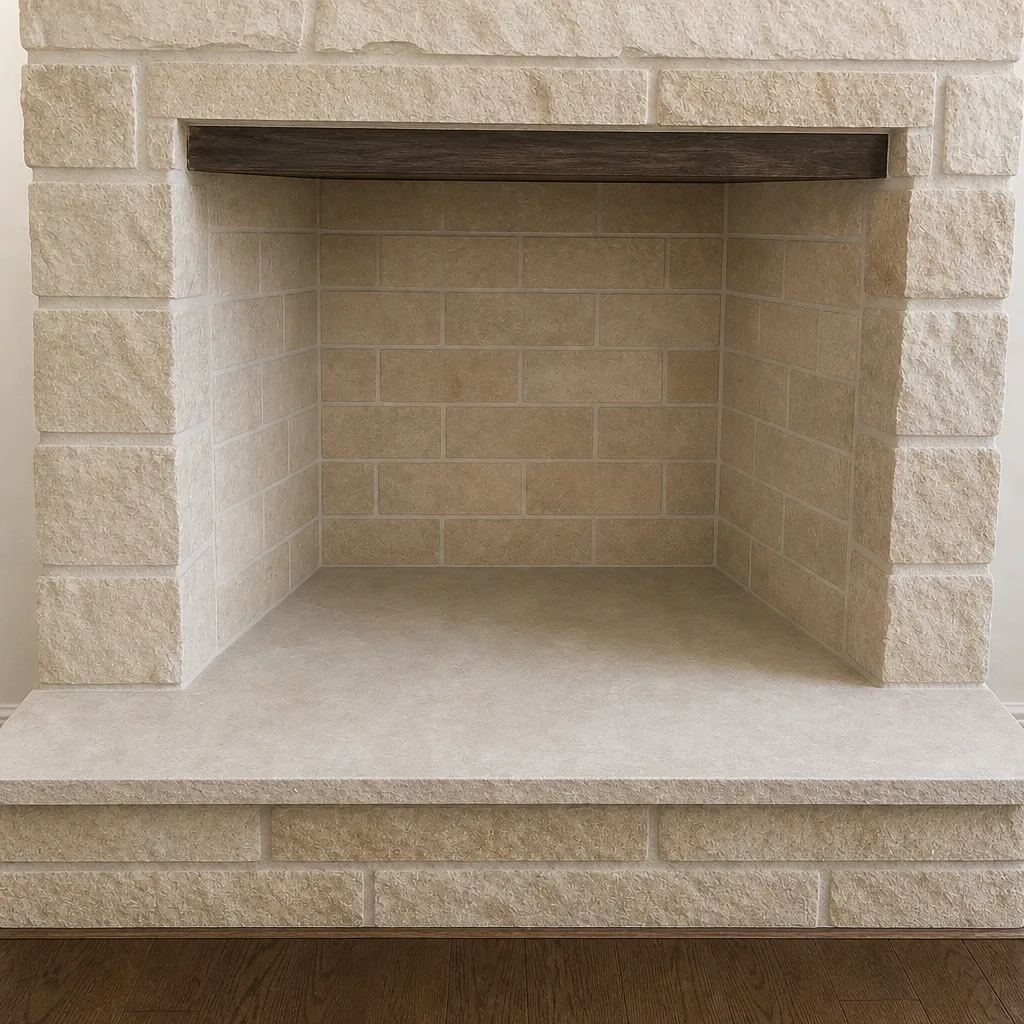 After
When to Call a Professional
Some chimney work is clearly a job for a specialist. If you’re buying a property in East Village with a fireplace and you don’t have inspection documentation from the seller, book a Level 2 inspection before closing. If a chimney fire has occurred, or you suspect one, stop using the fireplace and get an inspection. If a prior contractor recommended liner or masonry work without showing you camera evidence, get a second opinion. If the DOB records for a property show a chimney filing that was never closed out, that’s a situation to sort out with a professional who knows the filing process. And if you’re planning a liner replacement or structural repair, confirm the permit requirement before it starts, not after. Chimney Sweep East Village offers free estimates in East Village. Call (844) 443-3695. We answer 24/7. Fast dispatch from 7am to 7pm, Sunday through Friday.
Frequently Asked Questions
No. Routine chimney cleaning and inspection are maintenance, not alterations, so they don’t require a DOB permit in East Village or anywhere else in New York City. A permit becomes relevant when the work shifts to repair or replacement, which changes the chimney system rather than just cleaning it. Call (844) 443-3695 for an exact quote. Estimates are free.
Generally yes. A liner replacement alters the chimney system, which is why it’s typically filed with the NYC Department of Buildings under an Alteration Type 2 application. The filing is pulled by a licensed professional, followed by an inspection and close-out so the record shows the work as resolved. A liner job without a filing can leave an open item on the property record. Call (844) 443-3695 to talk through what your job needs.
A Level 1 inspection is a visual check of readily accessible portions of the chimney and is appropriate for a chimney in routine use. A Level 2 inspection adds the accessible flue interior, typically with a camera, and is the standard for a property transfer, an appliance change, or after a chimney fire. If you’re buying in East Village, ask for a Level 2. Call (844) 443-3695 for a free estimate on inspection.
It can appear as an open item against the property address during a title search, which is a problem at resale or when an insurer reviews a claim after a chimney fire. The fix depends on the scope: sometimes the work is correct and needs to be documented through the right filing, and sometimes it needs to be brought up to standard. An inspection tells you the physical condition, and a DOB records check tells you the paperwork condition. Call (844) 443-3695 for a free estimate on sorting it out.
NFPA 211 is the national standard for safe chimney construction and inspection, and New York City adopts it with local amendments that add filing and licensing requirements on top. The standard tells you what a safe chimney looks like, and the local code tells you what has to be documented and inspected to prove it in this jurisdiction. Both matter when work is being planned. Call (844) 443-3695 for an exact quote on your job.
Yes. The NYC Department of Buildings maintains public records of permits, applications, and violations by address, and you can search them before closing. Match what the records show against a Level 2 inspection so you know both the physical condition and the paperwork condition of the chimney. That’s a much better position to negotiate from than discovering an open item during the title search. Call (844) 443-3695 for a free estimate on inspection.
The Bottom Line
The rule of thumb that holds up in East Village: cleaning and inspection are maintenance, and anything that changes the chimney system is an alteration. Maintenance doesn’t need a permit. Alterations generally do, and in NYC that means a filing through the Department of Buildings, a licensed professional, and an inspection that closes the permit out. An open record discovered before closing is negotiable. The same record discovered after you’ve moved in is just yours. Keep documentation, get a Level 2 inspection when it counts, and check the records before you sign. Chimney Sweep East Village handles the full chimney system from the firebox to the crown, and we’ll tell you plainly what needs a permit, what needs repair, and what can safely wait.
Have a chimney question or a job you’re weighing? Call (844) 443-3695 for a free estimate. We answer 24/7. Fast dispatch from 7am to 7pm, Sunday through Friday.
Written by the team at Chimney Sweep East Village.