
Last updated November 25, 2026
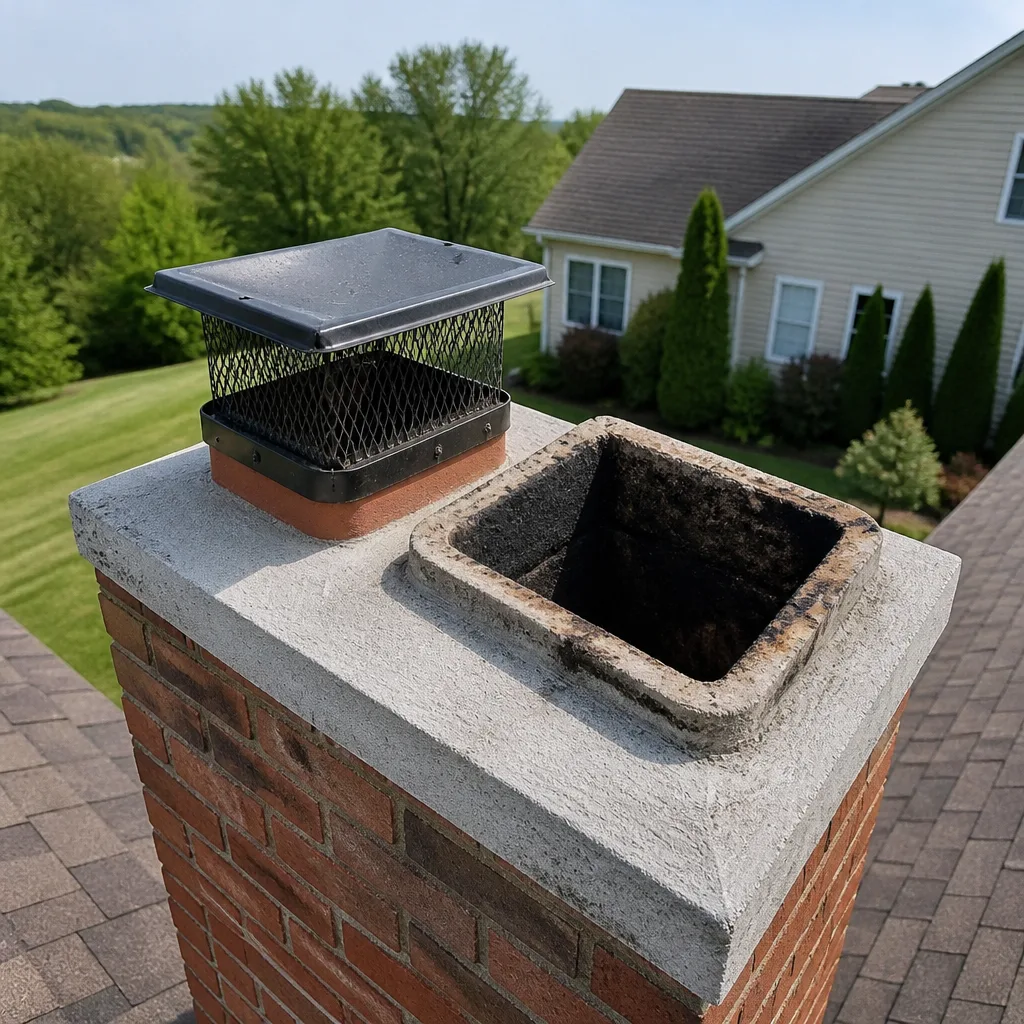 Sweep & inspection
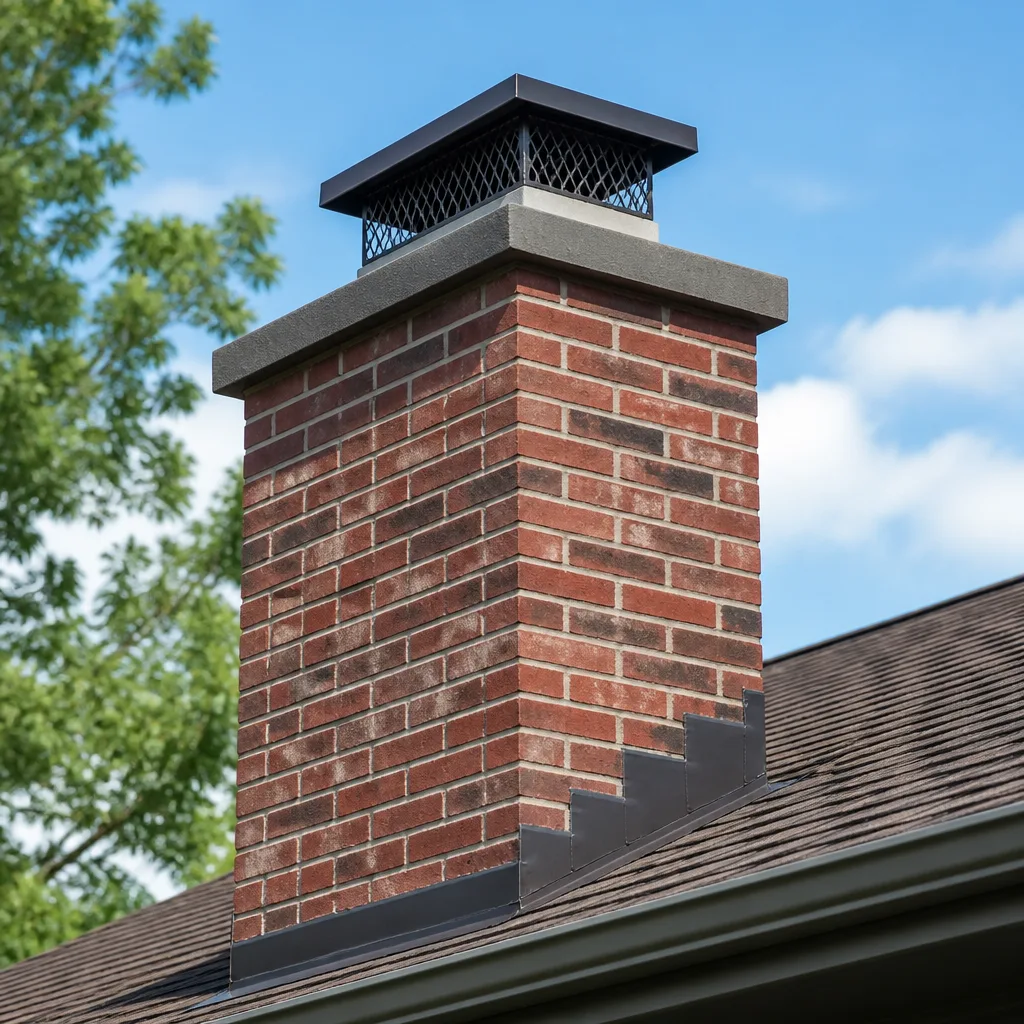 Caps & crowns
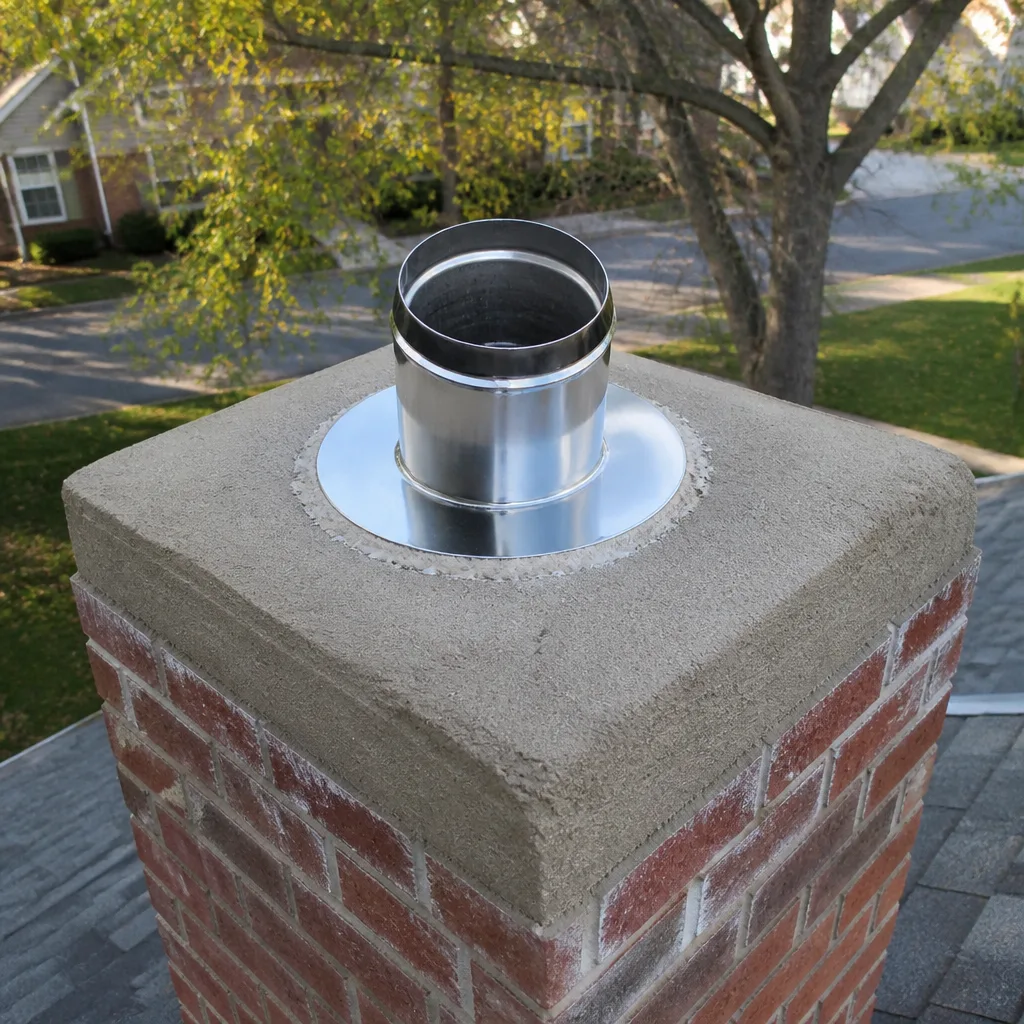 Flue relining
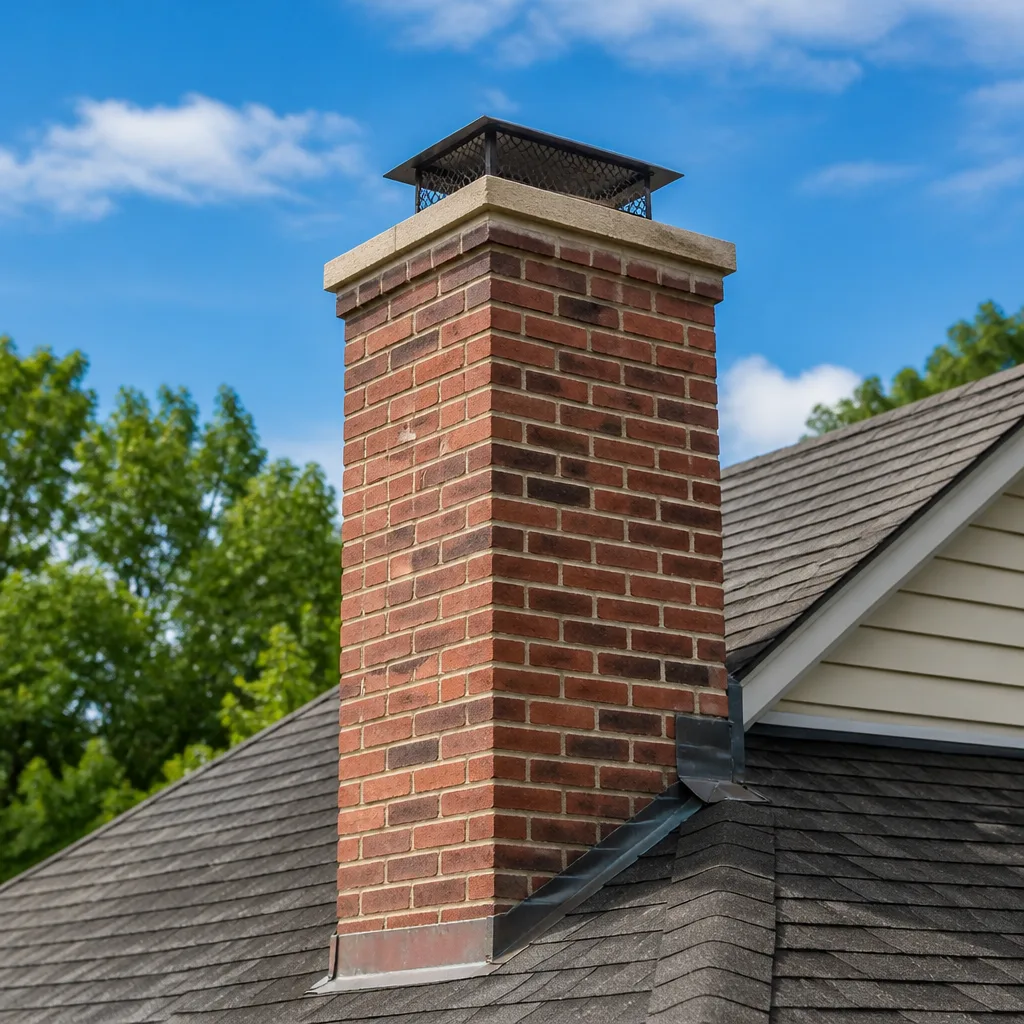 Masonry repair
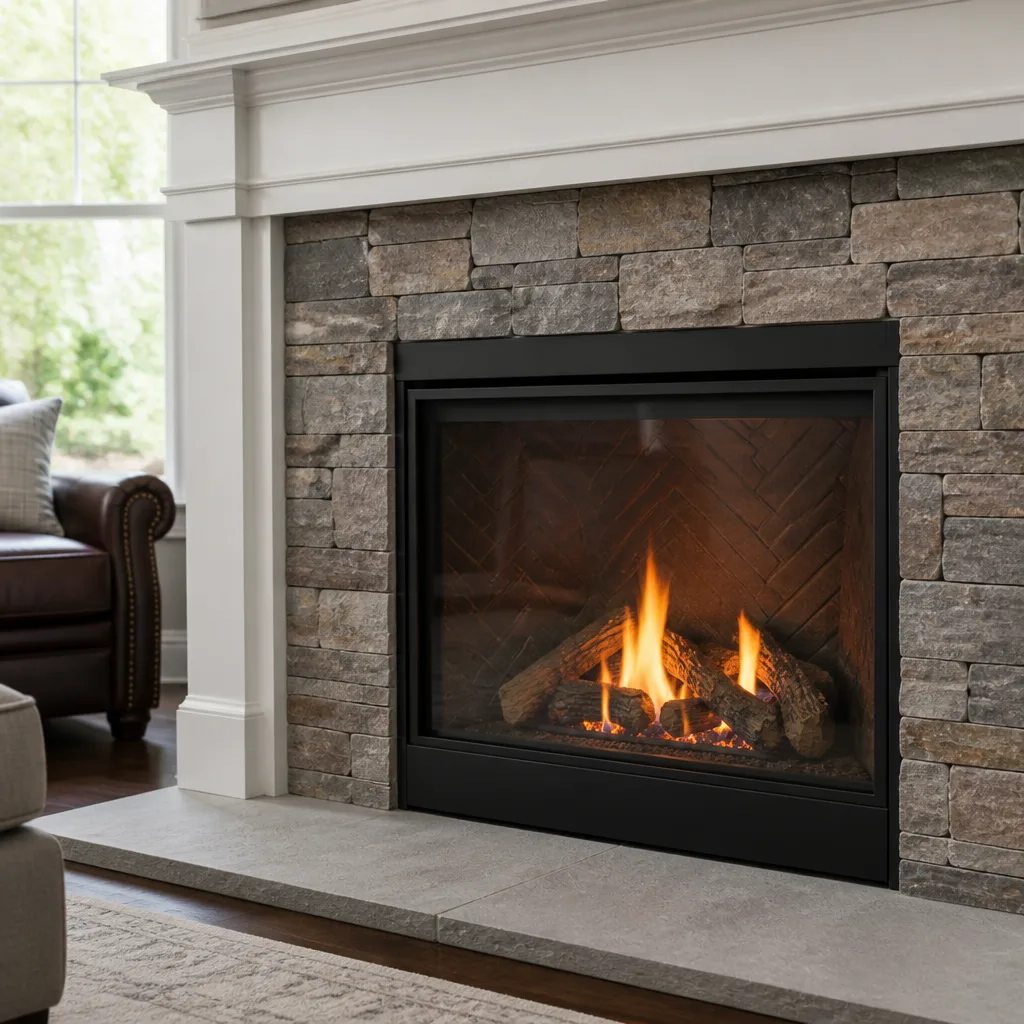 Gas fireplace service
Level 1 sweep and inspection to the NFPA 211 annual standard - flue, crown, cap, and flashing checked and photographed
Chimney sweep logs do not sweep chimneys. They loosen some creosote - which then falls where a brush and vacuum still have to collect it.
The Complete Guide to Chimney Cleaning in East Village
Most East Village chimneys were built before 1940, and that single fact changes almost everything about how they should be cleaned and maintained. They were sized and lined for coal, not for the cordwood or gas logs that burn in them now. A flue designed to draft coal smoke handles modern fuel differently: deposits form differently, clearances matter more, and the terra cotta liner takes a different kind of wear. Generic cleaning advice written for suburban houses with poured concrete flues doesn’t transfer cleanly to a walk-up block in East Village. This guide covers what actually applies here: deposits, inspection levels, shared stacks, and what a real full-system diagnosis looks at.
Quick Answer
Chimney cleaning in East Village means more than brushing a flue. Because most buildings here predate 1940 and were built for coal, the work starts with identifying the flue’s original design, matching it against what’s burned today, and inspecting the liner for the deposits those fuels leave behind. A proper service includes a Level 1 or Level 2 inspection, a deposit assessment, and a check of the crown, cap, and firebox before anyone calls the job done.
Styles & brands we work with
- Sweep & inspection
- Caps & crowns
- Flue relining
- Masonry repair
- Gas fireplace service
Table of Contents
- Why coal-era flues change how we clean
- Converted gas fireplaces and the deposits they leave
- Level 1, 2, and 3 inspections: which one you need
- What a New York winter does to your chimney
- Why a sweep alone is never the full picture
- Shared stacks in attached East Village buildings
- How often to schedule chimney cleaning
- Common mistakes to avoid
Why coal-era flues change how we clean
Coal burns hot and produces a fine, powdery ash that behaves very differently from wood creosote. When a coal flue is later used for wood, the flue’s interior cross-section is usually larger than a modern wood appliance needs, which slows draft and lets cooler smoke linger against the terra cotta. That lingering smoke condenses into glaze over time. Brushing a coal-era flue as if it were a modern wood flue leaves that glaze behind, and glaze is what you don’t want sitting on the liner.
The other issue is the terra cotta itself. Older tiles in East Village buildings have often been through decades of thermal cycling, and mortar joints between tiles loosen. A brush that’s too aggressive on a soft, aged tile can crack it. We size brushes to the flue and check the joints during the sweep rather than after.
The practical differences come down to a handful of things:
- Flue size: coal-era flues are wider than modern wood appliances need, so draft is weaker and deposits settle unevenly.
- Liner material: terra cotta tiles from this era spall and crack at a different rate than poured or stainless liners.
- Deposit type: coal ash residue can bond with wood creosote into a harder glaze than wood alone produces.
- Mortar joints: older joints need inspection during the sweep, not just a visual glance.
This is why a chimney sweep in a pre-1940 building takes longer than the same job in a newer house. If your building has an original coal-era flue, it’s worth knowing that before the first brush goes in.
Converted gas fireplaces and the deposits they leave
A gas fireplace in an East Village brownstone still needs chimney service, even though it produces no wood smoke. Venting gas appliances leave moisture and mildly acidic condensate on the flue walls, and that condensate attacks terra cotta and mortar joints over time. The damage profile is different from wood, but the annual inspection interval is the same.
Converted gas fireplaces also bring a second issue: the venting path was designed for something else. When a coal or wood flue is repurposed for a gas insert, the appliance’s venting requirements need to line up with the flue it’s connected to. If the insert was installed without checking that, the flue can run cold and wet.
What we look for on a gas conversion:
- Condensate staining at the flue base, which points to a venting or draft problem.
- Mortar softening at joints where acid condensate collects.
- Vent connection between the appliance and the flue, including any adapter or liner.
- Cap and crown condition, since gas condensate accelerates wear on metal components.
The takeaway: a gas fireplace is not a maintenance-free fireplace. It needs a yearly look at the vent path, and the same chimney cap & crown check that a wood-burning chimney gets.
Level 1, 2, and 3 inspections: which one you need
There are three inspection levels in the chimney trade, and the one you need depends on what changed since the last inspection. A Level 1 is a visual check of accessible components without tools. A Level 2 adds a camera and covers areas a visual check can’t reach, and it’s the standard level after a change in the system or a weather event. A Level 3 is a diagnostic opening of concealed areas when a Level 2 finds something that can’t be resolved any other way.
In East Village, the question of which level fits usually turns on the winter. A hard freeze, ice at the crown, and heavy snow load on older masonry can shift a cap or crack a crown in a way that’s invisible from inside the firebox. After a New York winter, a Level 2 inspection with a camera is the more accurate choice for a pre-1940 flue that’s been through a full freeze-thaw cycle.
Here’s the short version of when each level applies:
- Level 1: annual routine check on a system that hasn’t changed, with no known problem.
- Level 2: after a change in fuel or appliance, after a chimney fire, after storm damage, or before a real estate sale. Camera inspection is included.
- Level 3: only when a Level 2 finds a defect that requires opening a wall or concealed space to diagnose.
Most East Village homes we see are due for a Level 2 after a full winter, especially if the fireplace was used heavily through the cold months. A chimney repair call often begins with that same inspection, because a camera finding is what tells us what’s wrong before anything is repaired.
What a New York winter does to your chimney
New York winters are the main stress test for an East Village chimney. Freeze-thaw cycles move masonry slowly, and the crown at the top of the stack is the most exposed part of the system. A hairline crack in the crown lets water in during a thaw, and the next freeze pushes the crack open wider. That cycle repeats all winter, and by spring the crown can be shedding material.
The cap is the second weak point. Ice, wind, and the occasional heavy load of snow on a rooftop can loosen a cap or knock it out of position. A lifted cap lets water and animals in, and on a shared stack it can affect more than one flue at once.
What to check after winter:
- Crown: look for cracks, crumbling mortar, or a separated edge at the top.
- Cap: confirm it’s still seated, not lifted or missing, and that the screen is intact.
- Flashing: where the chimney meets the roof, check for lifted edges or gaps.
- Interior: a camera check for water staining, spalling tile, or softened mortar at the flue base.
Some of these checks are safe from the ground; the crown and cap are not. Height work on an older East Village roof is a fall hazard, and inspecting or repairing a crown from a ladder is where people get hurt. That part is a job for a trained technician with the right equipment.
Why a sweep alone is never the full picture
A sweep cleans the flue. A full-system diagnosis checks the whole combustion path from the firebox to the top of the crown. Those are not the same thing, and in a pre-1940 East Village chimney the gap between them is where problems hide.
What a full-system diagnosis actually covers:
- Firebox: brick and mortar condition, including any spalling or gaps at the base.
- Damper: whether it opens fully, seals correctly, and isn’t rusted or jammed.
- Smoke chamber: the transition from firebox to flue, where deposits collect and draft can stall.
- Flue liner: tile integrity, joint condition, and any gaps, checked by camera.
- Crown and cap: water intrusion points at the top of the system.
- Shared stack condition: whether nearby flues in the same stack are affecting yours.
We handle all of it, from firebox to crown, and we use professional-grade materials when repair is needed. HeatShield is one of the systems we work with for resurfacing a damaged flue, and DuraFlex liners are another. Having both the diagnosis and the repair under one roof matters here, because a sweep that finds a problem and hands it off to a second contractor leaves the diagnosis and the fix disconnected.
Shared stacks in attached East Village buildings
Most chimneys in East Village rowhouses and tenement conversions share a stack with neighboring flues in the same building. That has maintenance consequences a standalone house never sees. If one flue in the stack develops a crack or loses its cap, water can travel through the masonry and affect adjacent flues. The problem is rarely confined to the flue that started it.
Shared stacks also make drafting interdependent. A blocked or capped-off flue next to yours changes how air moves through the whole stack. If a neighboring flue has been abandoned without proper sealing, it can pull air the wrong way and affect your draft. That’s one reason a diagnosis on one flue often starts with a look at the rest of the stack.
For attached-building owners, the practical guidance is:
- Identify which flue serves your fireplace before any work starts, especially in a converted building where the original serving flue may not be obvious.
- Check the stack as a whole, not just your flue, when water staining or draft problems show up.
- Coordinate cap and crown work if the stack serves more than one unit, since a shared crown belongs to the whole stack.
- Note any abandoned flues in the stack and whether they’re properly sealed.
A cap and crown job on a shared stack is often preventive work for the whole building, not just one unit. That’s the part most single-service sweep companies don’t get into.
How often to schedule chimney cleaning
For a wood-burning fireplace, annual cleaning and inspection is the standard in the trade. For a gas fireplace, an annual inspection of the venting path and a look at condensate wear is still worth doing, even though there’s no soot to remove. For a coal-era flue being used for modern wood, the annual check should include a camera look at the liner, not just a brush.
Some situations call for service sooner than the yearly schedule:
- You’ve burned a lot of wood this season and the firebox looks heavily coated.
- You noticed smoke rolling back into the room when the fireplace was lit.
- A chimney fire happened, even a small one, which calls for a Level 2 inspection before the next fire.
- The crown or cap took visible winter damage.
- You’re buying or selling a home in East Village and the chimney hasn’t been inspected recently.
If you’re unsure which category you fall into, the safest move is a Level 1 or 2 inspection first and a cleaning decision based on what it finds. You can start with a Chimney Sweep East Village service and we’ll tell you what the flue actually needs, rather than booking a cleaning by default.
Common Mistakes to Avoid
- Assuming a coal-era flue cleans like a modern one. The wider cross-section and aged terra cotta need a sized brush and a gentler touch. Treating it like a poured flue can crack tiles that were already brittle.
- Skipping the gas fireplace because there’s no soot. Gas condensate corrodes mortar and metal components over time. An annual vent inspection catches it before it becomes structural.
- Booking a sweep without an inspection. Cleaning a flue tells you it’s clean, not that it’s safe. The camera and crown check are what surface the actual problems.
- Climbing onto the roof to check the crown. Older East Village roofs are steeper and more fragile than they look. Height work on a chimney crown is a fall risk and belongs with a trained technician.
- Ignoring the rest of a shared stack. A problem in a neighboring flue can affect yours through shared masonry. A diagnosis that stops at your own flue misses half the picture.
- Letting a lifted cap go into a second season. A cap that’s moved out of place lets water and animals into the flue. It’s a small fix that gets much larger if it’s ignored.
- Hiring a general handyman for chimney work. Chimney and fireplace systems have their own code requirements, materials, and inspection standards. A generalist unfamiliar with those can leave a system that looks fine and drafts wrong.
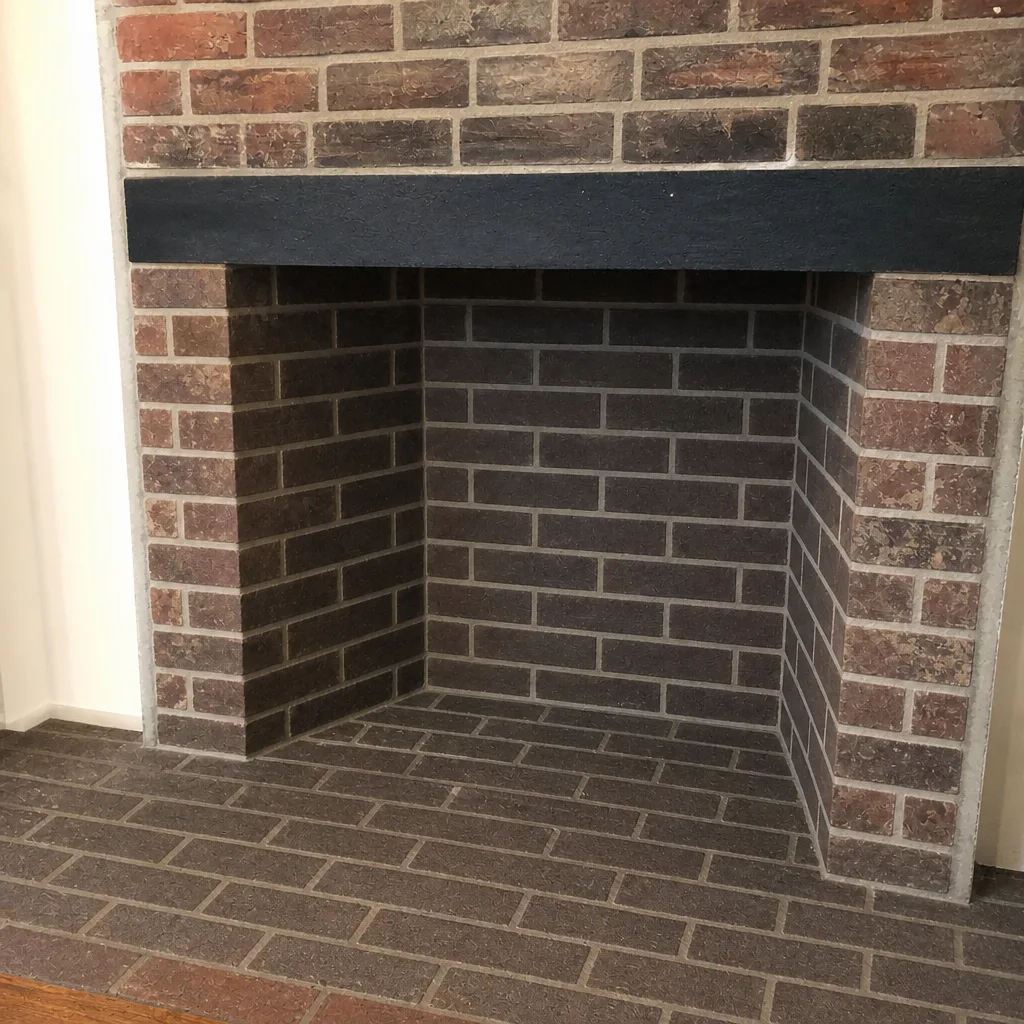
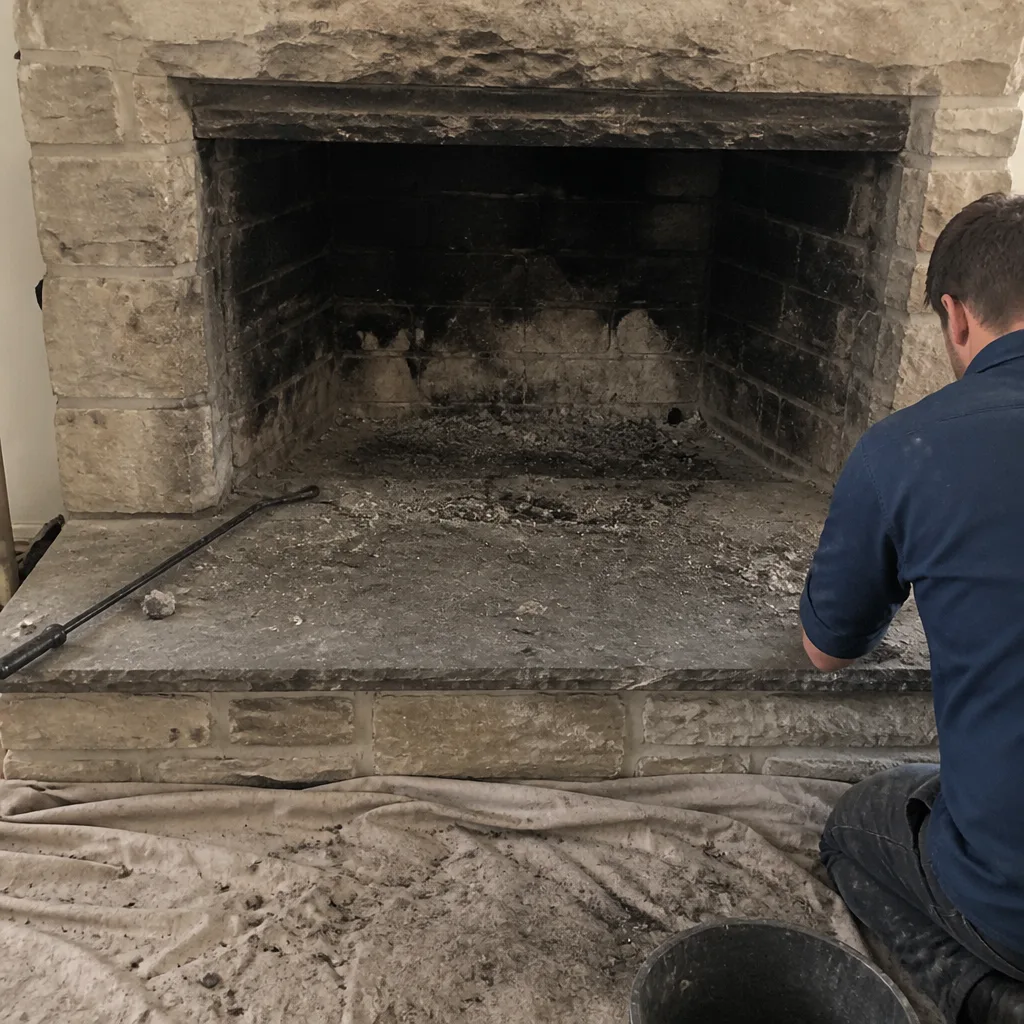
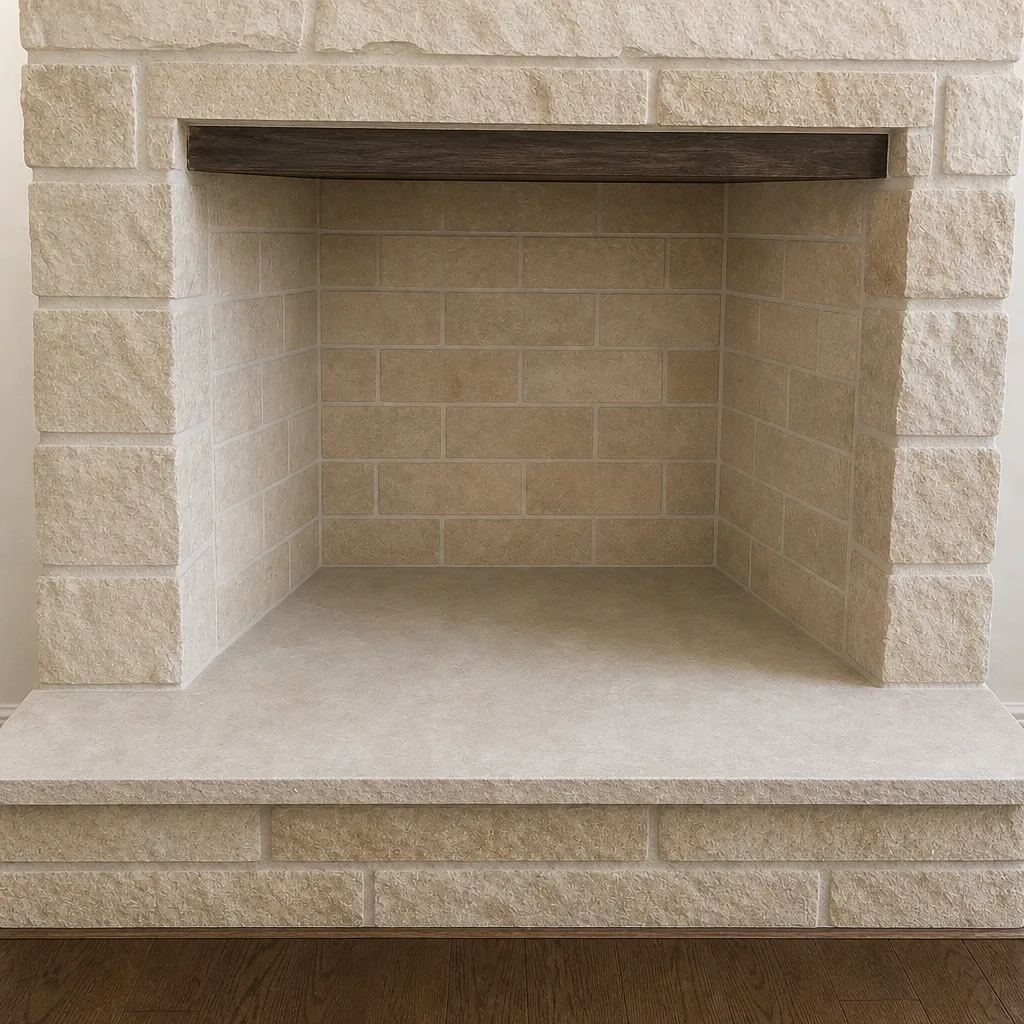
See the difference
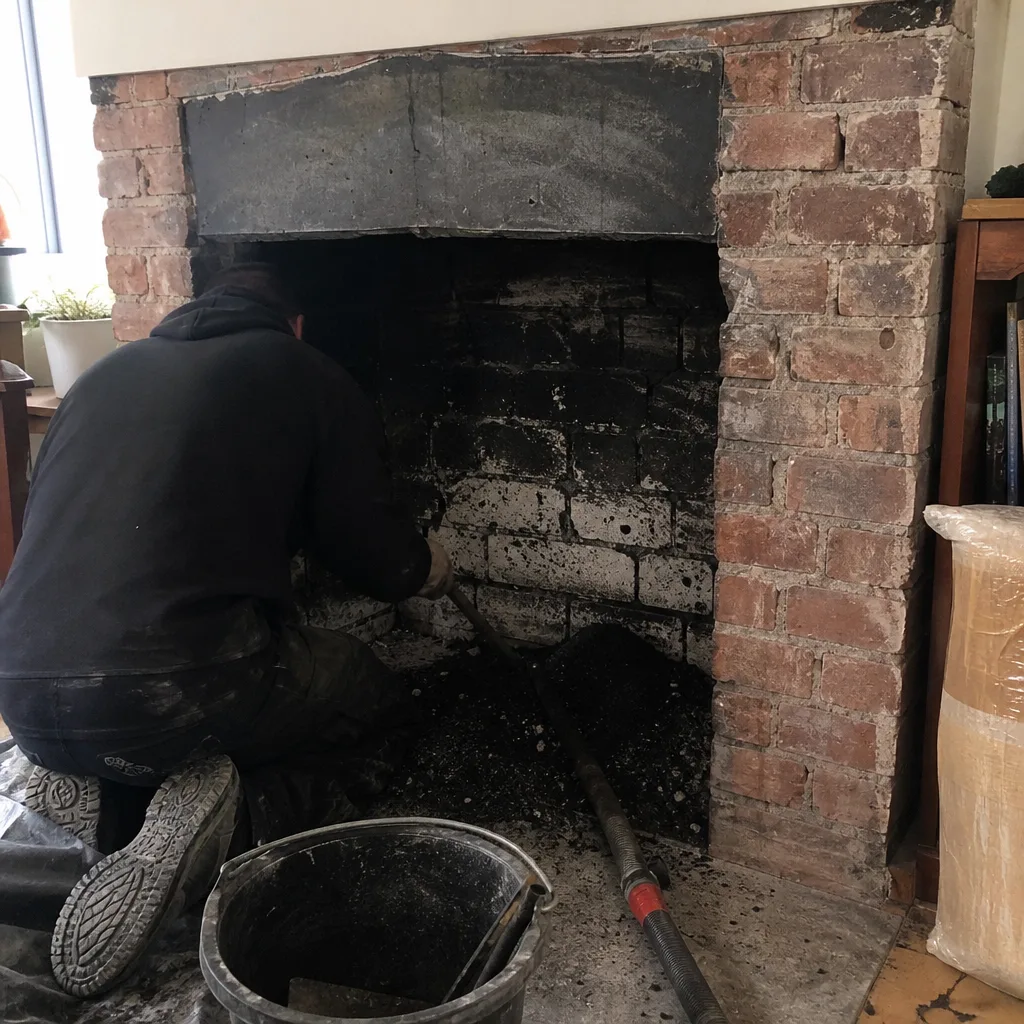 Before
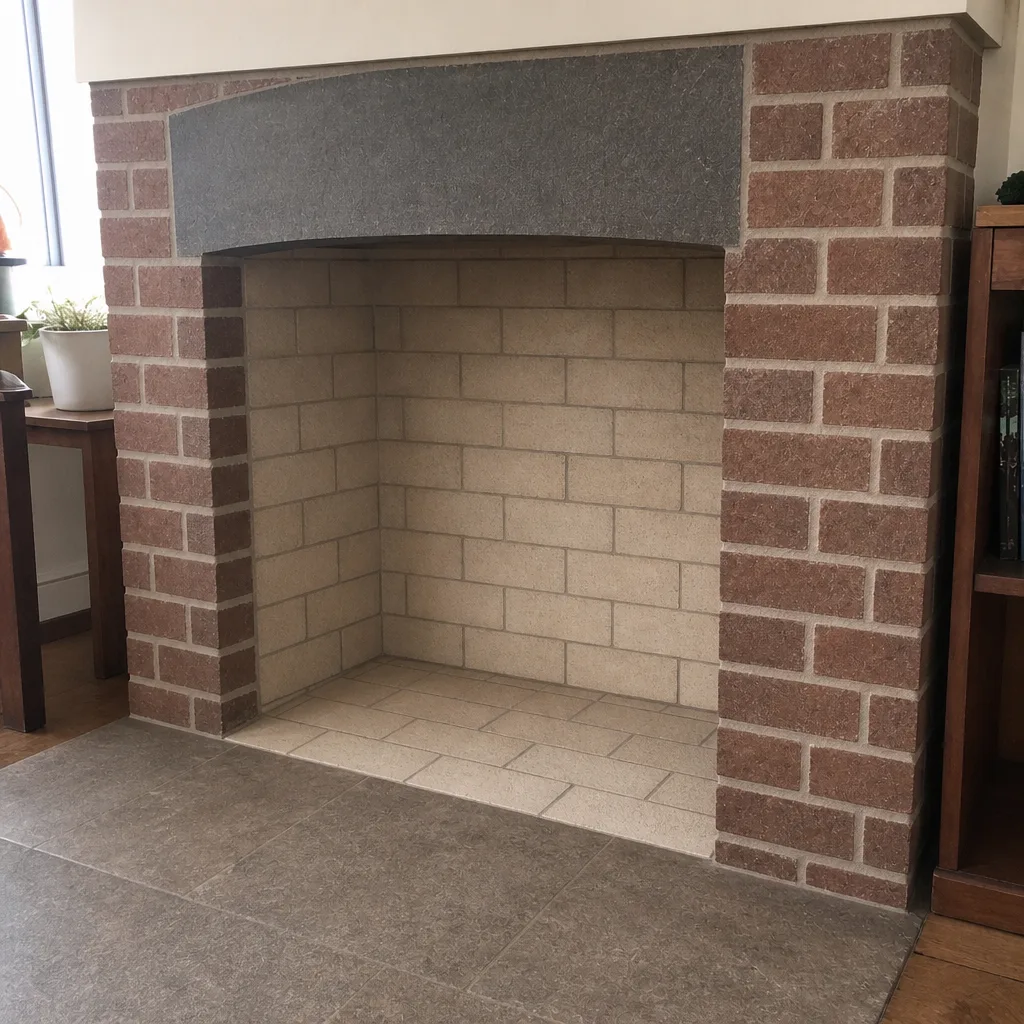 After
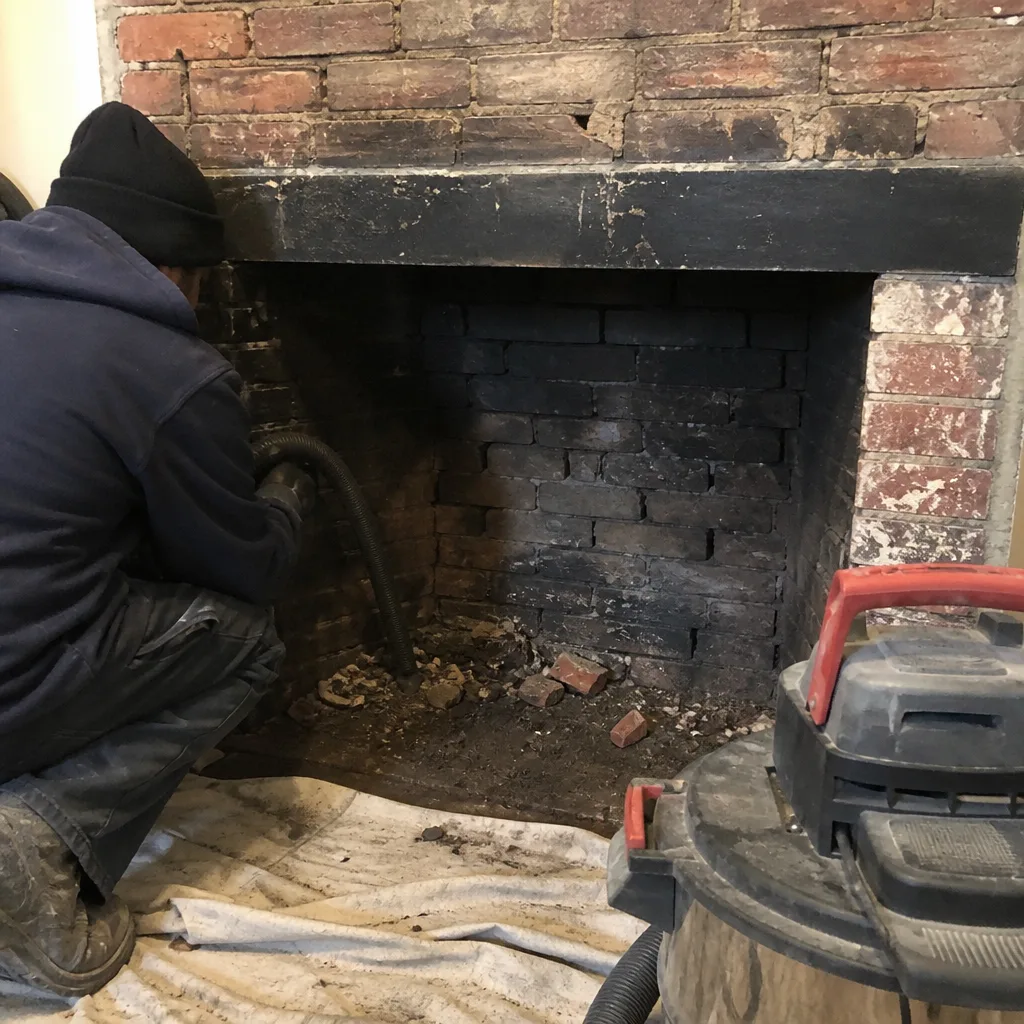 Before
 After
 Before
 After
When to Call a Professional
Call a professional if you smell smoke in the room with the damper open, if you’ve had a chimney fire of any size, if the crown shows visible cracking, or if the cap is lifted or missing. Call if your fireplace drafts poorly or if the firebox shows gaps in the brickwork. And call after a hard winter if the chimney hasn’t been inspected since before the freeze. These are the situations where a visual check from the firebox isn’t enough, and where a camera inspection tells you what’s actually happening inside the flue. Chimney Sweep East Village offers free estimates in East Village. Call (844) 443-3695. We answer 24/7. Fast dispatch from 7am to 7pm, Sunday through Friday.
Frequently Asked Questions
Chimney cleaning in East Village is priced per job after an inspection, and the written estimate sets the final price. There’s no one-size number, because a coal-era flue in a pre-1940 building takes different work than a modern flue. The estimate is free, so the first step is a look at the system. Call (844) 443-3695 for an exact quote, and we’ll tell you what the flue actually needs.
Not necessarily, and nobody should tell you otherwise without showing you why. A liner replacement is only recommended when a camera inspection shows cracked tile, separated joints, or gaps that resurfacing can’t fix. HeatShield resurfacing is an option for some liners that a full replacement would otherwise cover. If the tile is sound, we’ll say so and leave it alone. Call (844) 443-3695 for an inspection with camera evidence you can see before any decision is made.
Once a year for a wood-burning fireplace, and once a year for a gas fireplace’s venting path as well. Pre-1940 flues used for wood benefit from a camera check on the same yearly visit. If the fireplace was used heavily through a New York winter, a Level 2 inspection is the more accurate choice. Call (844) 443-3695 to book an inspection and get a clear recommendation.
Deposits build up on the flue walls, and in a coal-era flue those deposits can glaze into a harder layer that’s difficult to remove later. Glaze on a terra cotta liner is a fire hazard, and in a shared East Village stack the risk extends beyond one flue. Skipping a year isn’t an emergency, but skipping several with heavy use isn’t something to leave alone. Call (844) 443-3695 to get an inspection and a straight answer on timing.
Yes. A gas fireplace produces no soot, but it leaves moisture and mildly acidic condensate on the flue, which wears on mortar joints and metal components over time. An annual inspection of the vent path and cap is still worth doing. Call (844) 443-3695 to book a gas fireplace inspection in East Village.
Some homeowners do brush their own flue, but it’s a limited kind of cleaning that misses the parts that matter most. A brush doesn’t check for cracked tiles, softened mortar, or a lifted cap, and on a coal-era flue a brush that’s too aggressive can crack aged tile. A camera inspection is the part that tells you whether the flue is safe, not just clean. Call (844) 443-3695 for an inspection and a clear picture of what your flue actually needs.
The Bottom Line
Chimney cleaning in East Village is a different job than it is in most of the country, because most of the chimneys here were built for coal and have spent decades handling wood and gas instead. That means wider flues, aged terra cotta, and deposits that a quick brush can’t fully address. The work that matters is the diagnosis: a Level 2 inspection after a New York winter, a camera look at the liner, a check of the cap and crown, and a look at the shared stack if the building has one. If a repair is needed, HeatShield resurfacing, DuraFlex liners, Gelco products, and Copperfield components are the kinds of professional-grade materials we specify. One call covers the full system, from firebox to crown.
If you’d like a free estimate on chimney cleaning or inspection in East Village, call (844) 443-3695. We answer 24/7. Fast dispatch from 7am to 7pm, Sunday through Friday.
Written by the team at Chimney Sweep East Village.