
Last updated November 25, 2026
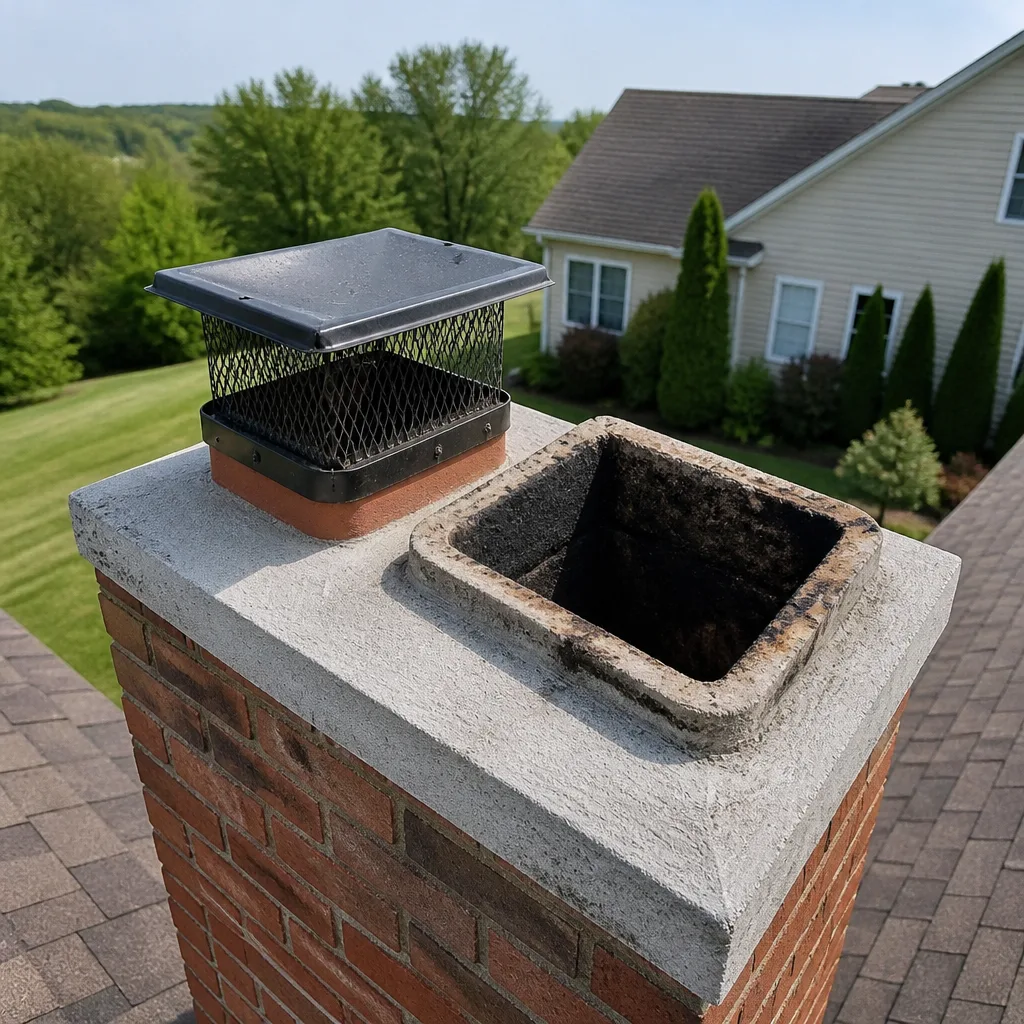 Sweep & inspection
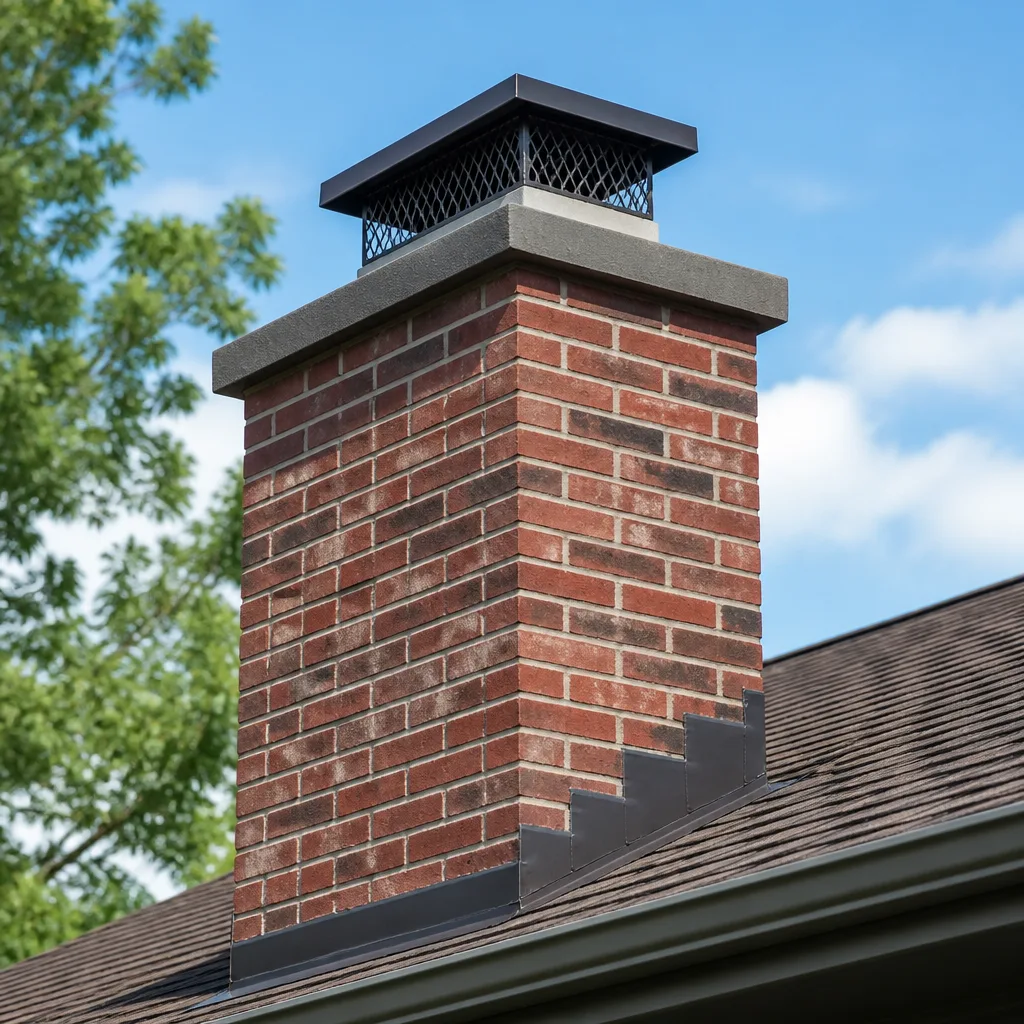 Caps & crowns
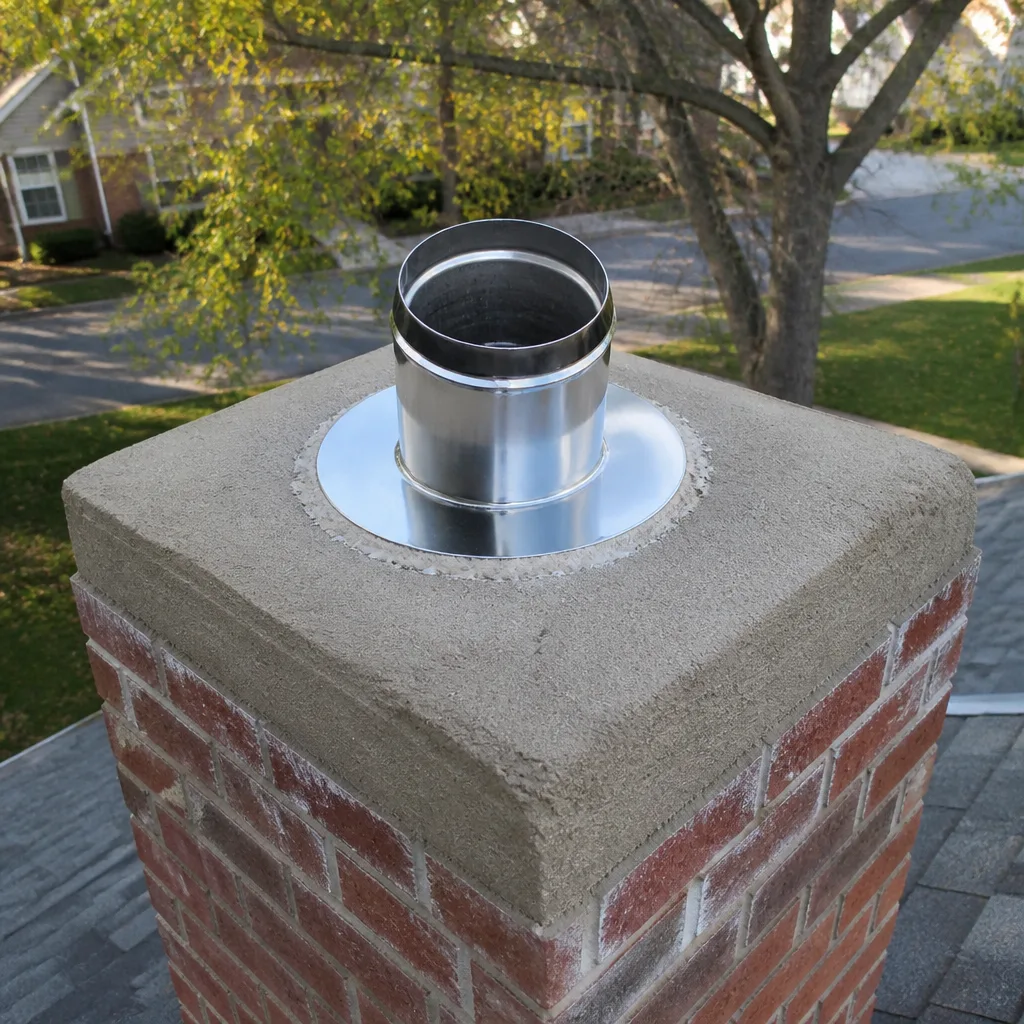 Flue relining
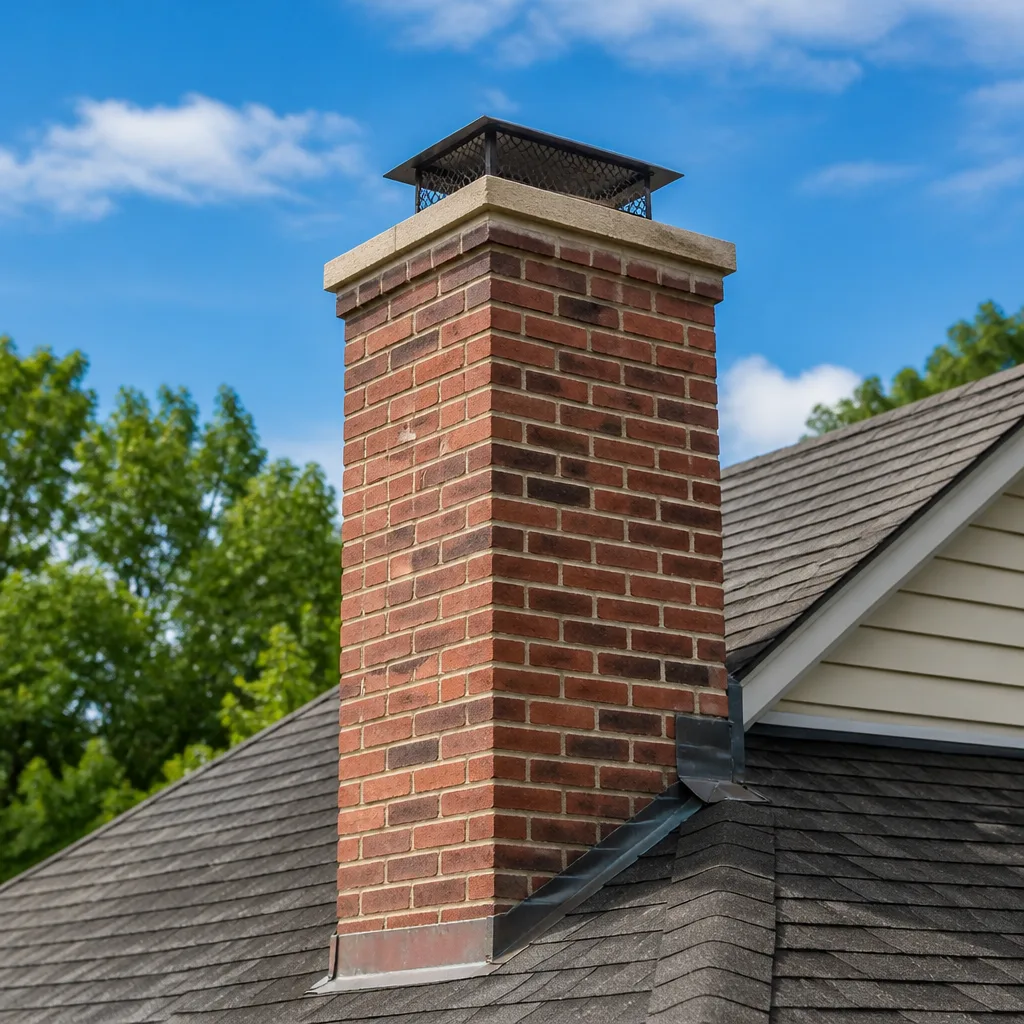 Masonry repair
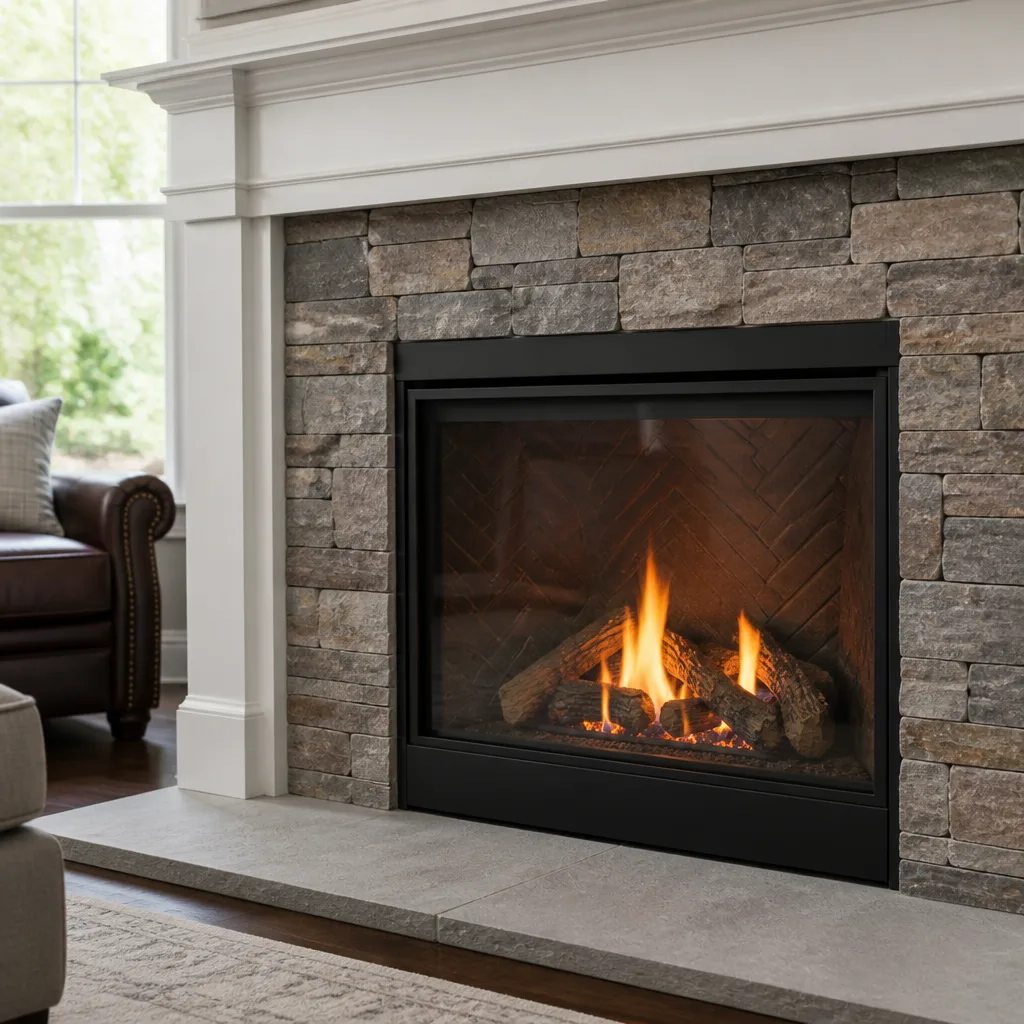 Gas fireplace service
Level 1 sweep and inspection to the NFPA 211 annual standard - flue, crown, cap, and flashing checked and photographed
Chimney sweep logs do not sweep chimneys. They loosen some creosote - which then falls where a brush and vacuum still have to collect it.
Choosing the Right Chimney Cleaning Brand: A Buyer’s Guide for East Village
There’s no regulatory requirement for which products a chimney contractor uses. Two quotes for what looks like the same liner job can involve materials with dramatically different expected lifespans, and neither quote has to tell you which one you’re getting. Most East Village homeowners shop for chimney work by comparing the number at the bottom of the estimate, which is exactly the one detail that says the least about how the job will hold up. This guide changes that. We’ll walk through the product categories where quality actually varies, what “professional-grade” means in measurable terms, how to verify stainless steel gauge and mortar product choices, and the questions that separate a straight answer from a vague one.
Styles & brands we work with
- Sweep & inspection
- Caps & crowns
- Flue relining
- Masonry repair
- Gas fireplace service
Quick Answer
For chimney cleaning and repair in East Village, the products that matter most are the liner system, the mortar and parging materials, the sealants, and the cap. Ask your contractor for the manufacturer name, the wall thickness or gauge of any stainless liner, the temperature rating, and the warranty terms in writing. A credible answer names specific products and shows you the spec sheet. A vague answer (“we use the good stuff”) means you should keep asking, or keep shopping.
Table of Contents
- Why the Products Matter More Than the Sweep
- The Four Product Categories That Vary Most in Quality
- What “Professional-Grade” Actually Means in Liner Materials
- Why Stainless Steel Liner Gauge Matters and How to Verify It
- Repair Products vs. Replacement Products for Mortar and Parging
- How to Ask a Contractor About Material Sourcing
- What East Village Housing Stock Means for Material Choice
- A Step-by-Step Verification Checklist
- Common Mistakes to Avoid
- When to Call a Professional
- Frequently Asked Questions
- The Bottom Line
Why the Products Matter More Than the Sweep
The sweep itself is a process. Brushes, rods, a vacuum with a HEPA filter, a camera, and a technician who knows where to look. There’s real skill in it, but the outcome is mostly information: you learn what condition your flue is in. The products come in after that, and they’re what determine whether your chimney is safe and dry five winters from now or whether you’re back on the phone in two.
Think about the difference between a cleaned chimney and a properly maintained one. Cleaning removes creosote and soot. Maintenance means the flue liner isn’t cracked, the mortar joints in the smoke chamber aren’t crumbling, the crown isn’t holding water against the masonry, and the cap is keeping rain and animals out. Each of those fixes depends on a product choice, and the gap between a good product and a cheap one is often invisible on the invoice.
In our experience working on East Village chimneys, the failures we see most often aren’t from bad sweeping. They’re from materials that were specified for the quote rather than for the flue. A liner installed without the right insulation, a mortar repair done with a product rated for the wrong temperature, a crown patched with something that cracks within a season. The homeowner paid for a repair and got a delay.
This is also where the sweep-only model breaks down. A technician who sweeps and leaves has no stake in what happens to your flue next year. A full-system provider has to stand behind the materials, because they’re the ones who get the callback. That’s the reason we handle the full chimney system, from the firebox to the crown, under one relationship instead of handing you off to a mason, then a roofer, then a liner specialist.
The Four Product Categories That Vary Most in Quality
Four categories account for most of the material variance in residential chimney work. If you understand these, you’ll understand about 80% of what separates a good quote from a cheap one.
Liner systems
This is the biggest cost and the biggest range in quality. Liners come in stainless steel (flexible or rigid), cast-in-place systems, and poured refractory. Flexible stainless is the most common replacement option in older homes. The variables that matter: alloy grade, wall thickness, whether it’s insulated, and the manufacturer’s warranty. HeatShield flue resurfacing is a distinct category here; it’s a cast-in-place repair system that restores an existing flue rather than replacing it, and it’s a manufacturer-backed process with specific application requirements. Olympia Chimney is another name that shows up in professional liner and venting work.
Chimney sealants
Sealants do two jobs: they block water at the crown and masonry joints, and they seal the liner at the top plate and appliance connections. The wrong sealant either fails to adhere in freeze-thaw cycles or traps moisture inside the masonry, which is worse than no sealant at all. Vapor-permeable sealants are the right call for masonry that needs to breathe; non-permeable products belong where they belong, not everywhere.
Mortar mixes
Chimney mortar isn’t the same as general masonry mortar. It has to handle heat cycling in the firebox and smoke chamber and weather exposure on the exterior. Refractory mortar (for firebox and smoke chamber) and high-temperature structural mortar (for the crown and above-roof masonry) are different products with different ratings. Substituting one for the other is one of the more common shortcuts, and it’s the one that fails fastest.
Chimney caps
A cap is a small piece of metal or masonry with an outsized job: keep water, birds, squirrels, and sparks out of the flue. Stainless caps with a properly sized mesh screen last; painted steel or undersized screens rust out or clog within a few seasons. Gelco is one name we specify for cap and crown components. Famco is another. The specific product matters less than the material and gauge, which we’ll get to.
What “Professional-Grade” Actually Means in Liner Materials
“Professional-grade” is a marketing phrase with no legal definition. Used honestly, it means the product was specified for the application by its manufacturer, installed per the manufacturer’s instructions, and carries a warranty the manufacturer will honor. Three things you can actually check:
- Wall thickness or gauge. Flexible stainless liners are rated in gauge, where lower numbers mean thicker metal. A thicker wall resists mechanical damage during installation, handles thermal cycling better, and lasts longer. Ask for the gauge in writing on the estimate.
- Temperature rating. The liner has to be rated above the temperatures your appliance can produce. A wood-burning fireplace and a gas insert produce very different flue temperatures, and a liner rated for one may not be rated for the other. The manufacturer publishes the rating; the contractor should be able to show it.
- Warranty terms. A manufacturer warranty that requires the installer to have been trained or certified tells you something. A “lifetime warranty” that only covers the contractor’s labor for one year and the product only if you keep the receipt in a drawer is worth roughly nothing. Read the terms, not the headline.
There’s a fourth element that doesn’t get checked often enough: whether the liner is insulated. An uninsulated liner in an exterior chimney loses heat fast, which increases creosote buildup and reduces draft. Insulation is a product specification, not an optional add-on, and it should be on the quote or the quote should explain why it’s not needed.
This is where the material sourcing question starts to matter. A contractor working from a curated set of professional-grade brands like HeatShield, Gelco, and Olympia Chimney is choosing from products built for the application, with published specs and manufacturer support. A contractor buying whatever the supply house had on the shelf is not.
Why Stainless Steel Liner Gauge Matters and How to Verify It
Gauge is the single most important number on a liner estimate and the one most often left off. It determines how much metal stands between your house and the flue gases. A thinner liner is cheaper to buy and easier to install; it’s also more vulnerable to damage during installation, to corrosion at the seams, and to failure at the connection points.
Here’s how to verify what’s actually going in your chimney, in steps:
- Ask for the gauge in writing on the estimate. Not on a brochure, on the quote. If it’s not there, ask for a revised quote.
- Ask for the manufacturer and product line. “Stainless liner” isn’t a product; it’s a category. You want the maker and the specific line.
- Ask to see the spec sheet. Any professional contractor should be able to produce the manufacturer’s published specifications, including wall thickness and temperature rating.
- Look at the liner before it goes in. The manufacturer stamps or labels the liner. When the crew is on site, ask to see the label. This is a normal request and a credible contractor will welcome it.
- Check the final invoice matches the quote. If the estimate said one gauge and the invoice says another, ask why before you pay.
If a contractor can’t or won’t answer the gauge question, that’s your answer. Material transparency is a basic standard in professional chimney work, and a contractor who won’t meet it on the sales call is unlikely to meet it during installation. We specify professional-grade materials on every liner quote for East Village customers, and we’ll show you the label on the day of the install.
One safety note before we move on. Liner installation involves heights, cutting tools, and in some cases removal of the existing flue. This isn’t work to attempt yourself. A liner installed incorrectly can channel heat to combustibles or leak combustion gases into the home. If you’re unsure of your flue’s condition, have it inspected by a trained professional before any work is scheduled.
Repair Products vs. Replacement Products for Mortar and Parging
The mortar and parging decisions in chimney work break into two camps, and choosing the wrong camp is one of the most expensive mistakes a homeowner can make. Repair products are for a structure that’s fundamentally sound but has localized damage. Replacement products (or systems) are for a structure that’s failed beyond what a patch can fix. Telling the two apart takes a camera inspection, not a glance from the roof.
| Problem | Repair Approach | Replacement Approach | Typical Sign the Repair Is Wrong |
|---|---|---|---|
| Hairline cracks in flue tiles | HeatShield flue resurfacing (cast-in-place) | New stainless liner | Sealant painted over cracks instead of resurfacing |
| Deteriorated mortar joints in smoke chamber | Refractory parging | Smoke chamber rebuild | Standard mortar used where refractory is required |
| Spalling brick above the roofline | Repointing with structural mortar | Masonry rebuild of affected section | Quick-set patch that cracks within a season |
| Cracked crown | Crown repair with flexible sealant system | Crown replacement | Caulk over a structural crack |
| Missing or damaged cap | Cap replacement | Not applicable | Mesh screen too small (clogs) or too large (lets animals in) |
The failure mode of choosing repair when replacement was needed is slow and expensive: a quick patch buys a season or two, then fails worse because the underlying problem was never addressed. The failure mode of choosing replacement when repair was appropriate is just as real: a homeowner pays for a liner when a HeatShield resurfacing would have served the same flue for the same life. Neither mistake is inevitable, but both require a contractor willing to tell you which one you actually need.
That’s the core of our approach. A sweep tells you what’s dirty. We tell you what’s wrong and fix it, with the camera evidence in front of you before anything gets recommended. If repair is the right call, we’ll say so, even when replacement would be a bigger invoice. If the work can safely wait until after the heating season, we’ll say that too.
How to Ask a Contractor About Material Sourcing
The sourcing conversation is where most homeowners feel out of their depth, so here’s what to actually ask and what a credible answer sounds like. You don’t need to know the brands going in. You need to hear specific names, specific products, and specific specs.
Questions to ask
- “Which manufacturer’s liner are you specifying for my flue, and which product line?”
- “What’s the wall thickness or gauge, and is it on the quote?”
- “Is the liner insulated, and if not, why not?”
- “For the mortar repair, are you using refractory or standard mortar, and why?”
- “Can I see the manufacturer’s spec sheet and warranty terms?”
- “What’s the warranty on the product versus the labor, and who honors each?”
Credible answer vs. vague answer
A credible answer names a manufacturer and a product line, gives you a number for gauge or wall thickness, and explains why that product suits your flue. It also usually includes a caveat: “once we get a camera look at it, the spec may change.” That’s a good sign. A contractor who knows the flue may need a different product after inspection isn’t guessing; they’re waiting for evidence.
A vague answer sounds like “we use the best,” “premium materials,” or “whatever the code requires.” Code is a floor, not a specification. It tells the contractor the minimum to stay legal, not the product best suited to your chimney.
One more test: ask what happens if the inspection reveals something the quote didn’t account for. A contractor who repairs in-house can answer that cleanly. A contractor who hands the job to a mason or a liner sub is going to have a harder time, and you’ll be the one absorbing the disruption. Our East Village customers get inspected, diagnosed, and repaired by the same crew, which means the answer to “who fixes this?” is always the same.
What East Village Housing Stock Means for Material Choice
East Village housing stock puts unusual demands on chimney materials. The neighborhood has a lot of pre-war buildings, walk-ups, and converted townhouses where the chimney was designed for coal, then adapted for wood, then modified again for a gas insert or an oil furnace. Years of modification leave behind a flue that may have a liner running through a liner, a partial reline from a previous owner, or a smoke chamber that’s been parged over more than once.
That history has direct material implications:
- Mixed-use flues need verified ratings. A flue shared with a gas appliance needs a liner rated for the actual appliance, not the one someone installed years ago. Temperature ratings matter more here than in a single-appliance chimney.
- Original masonry is often softer than modern brick. The mortar and parging products used on 19th-century brick should match its vapor profile. Modern hard mortars can spall the original brick; the right product is chosen for the substrate, not just the application.
- Crowns take more water in this climate. New York’s freeze-thaw cycle is hard on masonry. A crown that’s sealed with the wrong product holds water against the brick and gets worse every winter. The right crown repair or replacement is the difference between a one-time fix and a recurring problem.
- Tight lots mean caps do more work. East Village rooftops are close to trees, neighboring buildings, and birds. Stainless caps with correctly sized mesh screen are the norm here for good reason.
None of that is unique to your block. It’s the general pattern of chimney work in East Village, and it’s why material choice on a flue here is a judgment call a knowledgeable contractor makes after the camera inspection, not a fixed line item on a template quote. If you’re planning a sweep first, our chimney sweep for East Village chimneys starts with a proper inspection so the product recommendations come from evidence.
A Step-by-Step Verification Checklist
Print this or save it to your phone. It’s the whole guide in actionable form, and it’s what we’d recommend to any East Village homeowner comparing chimney quotes.
- Get an inspection before accepting a repair quote. Any recommendation that doesn’t follow a camera inspection is a guess. A chimney repair quote should trace back to a specific finding.
- Ask for the manufacturer and product line for every material in the quote. Liner, cap, mortar, sealant, parging compound. All of them.
- Verify gauge or wall thickness in writing. On the estimate, not in conversation.
- Ask for temperature ratings on any liner or parging product. Match the rating to your appliance type.
- Confirm whether insulation is included. If it isn’t, ask why.
- Read the warranty terms. Distinguish product warranty from labor warranty, and note who honors each.
- Ask to see the product label on install day. A contractor who already gave you the spec in writing will not be surprised by this.
- Get the final invoice to match. If any material was substituted, it needs to be in writing before it goes in, not after.
- Confirm the cap and crown are on the same quote. These are the preventive pieces that stop the next problem. Our chimney cap & crown work exists precisely because stopping water and wildlife before the damage gets expensive is cheaper than fixing the damage later.
- Ask what the contractor won’t do. A confident specialist will tell you what’s out of scope. A generalist will say yes to everything, and then subcontract it.
That last point is worth dwelling on. We specialize in chimney and fireplace systems, not general contracting, and that focus shapes what we’ll take on. When your chimney needs a repair outside that scope, we’ll say so and point you to the right trade. When the work is inside the scope, you get a specialist who handles inspection, diagnosis, repair, and restoration in one relationship, which means no handoff, no re-explaining the problem to a third party, and no finger-pointing when something doesn’t last.
Common Mistakes to Avoid
- Accepting a repair quote without a camera inspection. A recommendation without evidence is marketing. Ask to see the video, the photo, or the physical part of the flue being discussed.
- Choosing the lowest quote without comparing materials. A quote that’s $400 less often reflects a thinner liner or a substituted mortar, and the savings vanish the first time the product fails.
- Skipping the cap because “it’s just a cover.” In East Village, an uncapped flue is an open door for rain, birds, and squirrels. Cap replacement is one of the cheapest preventive services in the trade.
- Assuming your liner is fine because the sweep said the chimney was clean. Clean and safe aren’t the same thing. A flue can be spotless and still have cracked tiles, a failed parging, or an uninsulated liner.
- Patching the crown with standard caulk. Cracked crowns need a sealant system rated for masonry movement and weather. Caulk over a moving crack is a season at best.
- Letting a general handyman handle chimney work. Chimney systems have their own material standards, including refractory ratings and liner specifications. A handyman is not a chimney specialist, and the failure modes here are dangerous, not just inconvenient.
- Waiting until the first cold week to book. Fall is the busiest season for chimney work in East Village, and a flue with an unresolved problem gets more expensive with every burn. If your chimney sweep in East Village is the first thing on your list, book it early enough that any repair can be scheduled before the season starts.
Notice what most of these have in common. They’re all the same underlying mistake: treating the price tag as the whole story. In chimney work, the product specification is the price tag. A quote without a material spec is a quote for an outcome nobody can predict.
When to Call a Professional
Some chimney problems are obvious, and some are effectively invisible until the flue fails. Call a professional if you notice any of the following: a strong creosote or smoky smell when the fireplace isn’t in use, visible water staining or white efflorescence on the chimney exterior, crumbling mortar or spalling brick above the roofline, a cracked or missing crown, a loose or missing cap, or a firebox with cracked or crumbling refractory brick. Call immediately if you smell gas near a gas fireplace, if smoke backs into the room when you light a fire, or if a chimney fire has occurred, even a small one.
Beyond visible symptoms, a professional inspection makes sense every year or two for a wood-burning chimney, and always after a change in fuel type or a change in appliance. Our technicians have up to 9 years of experience and handle everything from routine sweeps to full liner restoration. Chimney Sweep East Village offers free estimates in East Village. Call (844) 443-3695. We answer 24/7. Fast dispatch from 7am to 7pm, Sunday through Friday.
Frequently Asked Questions
Ask about the manufacturer for every material on your quote: the liner (HeatShield, Olympia Chimney, DuraFlex), the cap and crown components (Gelco, Famco, Copperfield), and the parging and repair products. The specific brands matter less than whether your contractor can name them, show you the spec sheet, and explain why they suit your flue. We work with DuraFlex, HeatShield, Gelco, Olympia Chimney, Famco, and Copperfield, and we’ll walk you through which one fits your job. Call (844) 443-3695 for an exact quote – estimates are free.
Pricing depends on the flue configuration, how much creosote is present, and whether an inspection reveals anything that needs repair. We don’t publish a fixed price because the honest answer varies by job, and the written estimate sets the final cost after an on-site assessment. The estimate itself is free. Call (844) 443-3695 for an exact quote – estimates are free.
It means the liner was specified by its manufacturer for your application, installed per the manufacturer’s instructions, and carries a warranty the manufacturer will honor. In practice, that shows up as a specific gauge and wall thickness, a published temperature rating, and written warranty terms. If a contractor can’t produce those three things, the phrase “professional-grade” is doing less work than it sounds like. Ask before you sign. Call (844) 443-3695 for an exact quote – estimates are free.
Ask for the gauge in writing on the estimate, ask for the manufacturer and product line, and ask to see the manufacturer’s label on the liner before it’s installed. A professional contractor will provide all three without hesitation. If the gauge on the final invoice doesn’t match the quote, raise it before the job is closed out. Call (844) 443-3695 for an exact quote – estimates are free.
The answer depends on what a camera inspection shows. Hairline cracks in flue tiles can often be addressed with HeatShield flue resurfacing, a manufacturer-backed cast-in-place repair system. A flue with structural separation or extensive spalling usually needs a new liner. We recommend based on camera evidence you can see yourself, and we’ll say plainly when work can safely wait until the next season. Call (844) 443-3695 for an exact quote – estimates are free.
Most wood-burning chimneys benefit from a sweep and inspection annually, and gas appliances should be checked on the same schedule even though they produce far less soot. The schedule can shift based on how much you burn and whether your flue has a history of creosote buildup. A sweep and inspection together tell you what you actually need. Call (844) 443-3695 for an exact quote – estimates are free.
The Bottom Line
The products in your chimney matter more than the sweep, and more than most quotes will tell you. Four categories carry most of the variance: liner systems, sealants, mortar mixes, and caps. Professional-grade means a named manufacturer, a published gauge and temperature rating, and a warranty the manufacturer honors, not a marketing phrase. Verify the spec in writing, compare materials before comparing prices, and choose a contractor who can name what they’re installing. In East Village, chimney systems benefit from specialists who handle inspection, diagnosis, repair, and restoration in one relationship. We work with professional-grade brands including HeatShield, Gelco, Olympia Chimney, and Famco, and we’ll show you the spec on any job. Call (844) 443-3695 for a free estimate. We answer 24/7. Fast dispatch from 7am to 7pm, Sunday through Friday.
Written by the team at Chimney Sweep East Village.
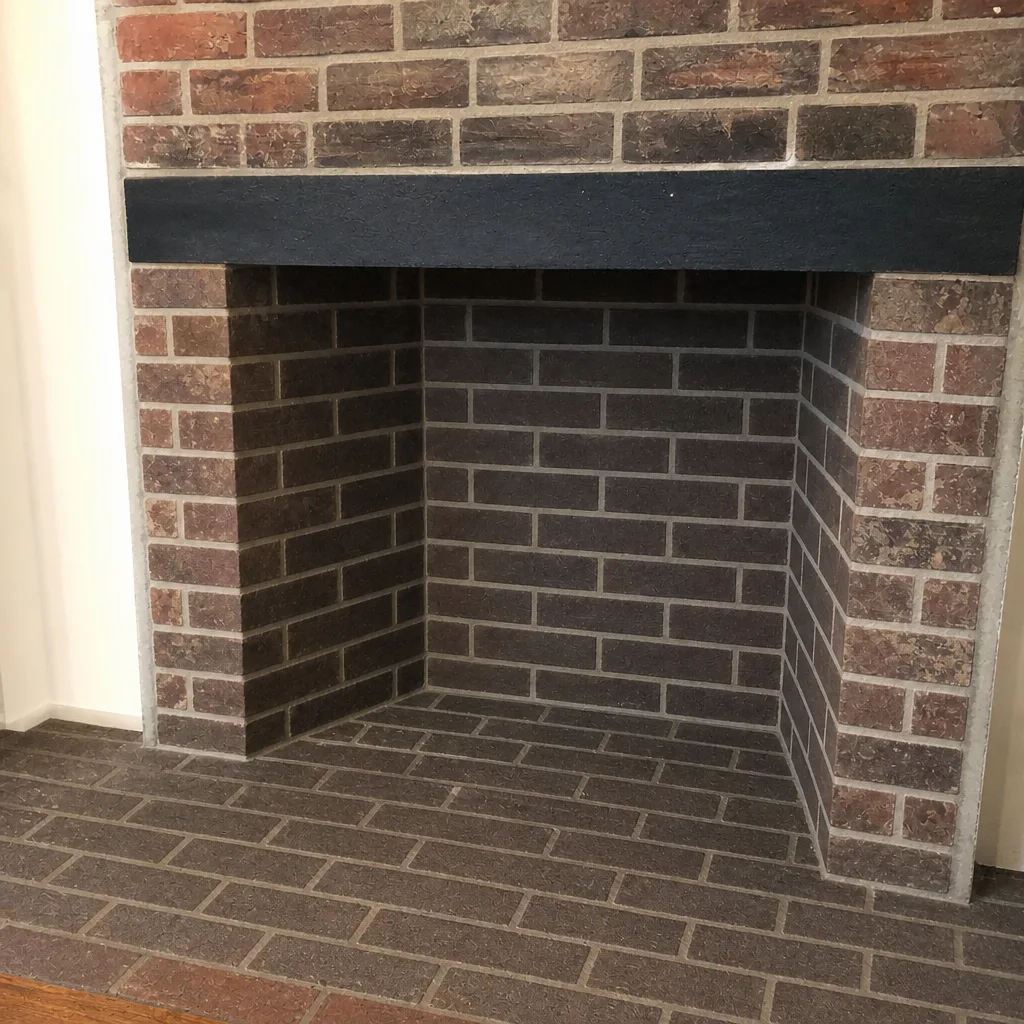
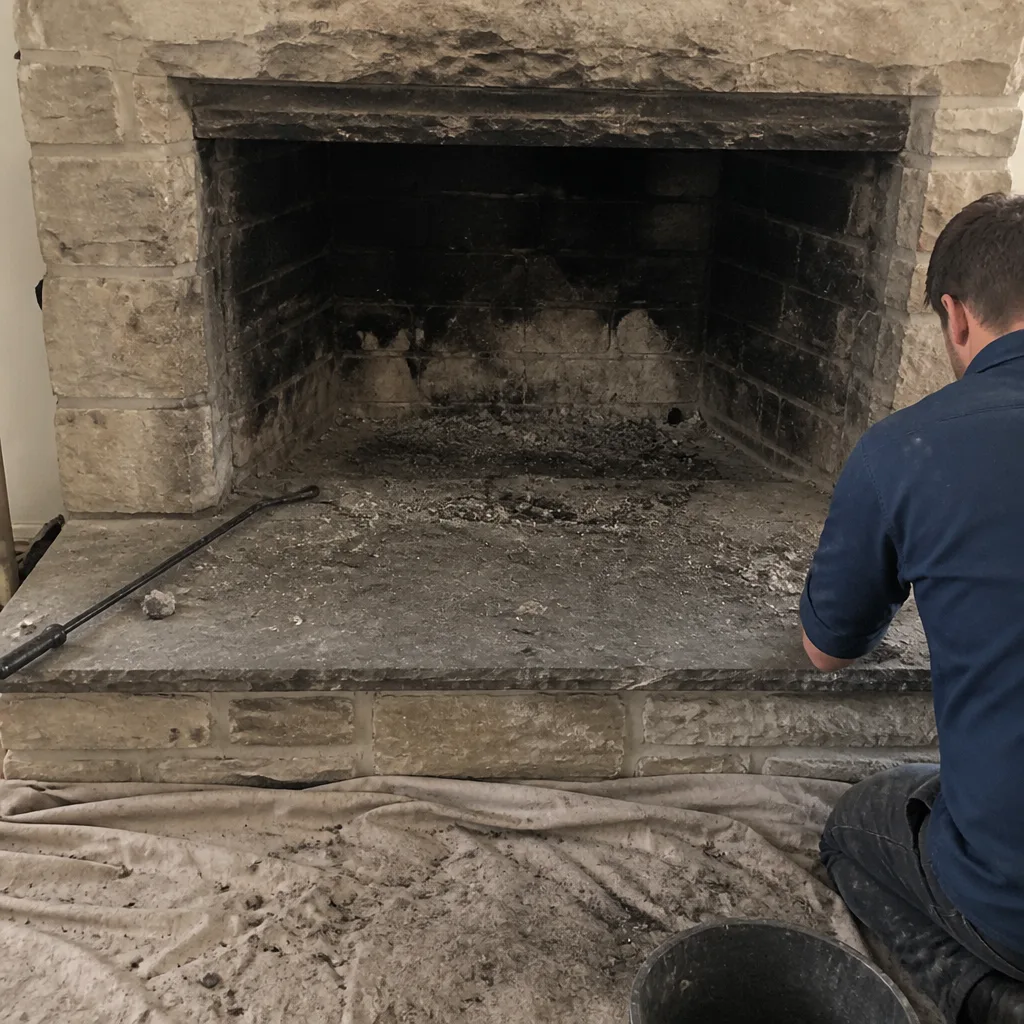
See the difference
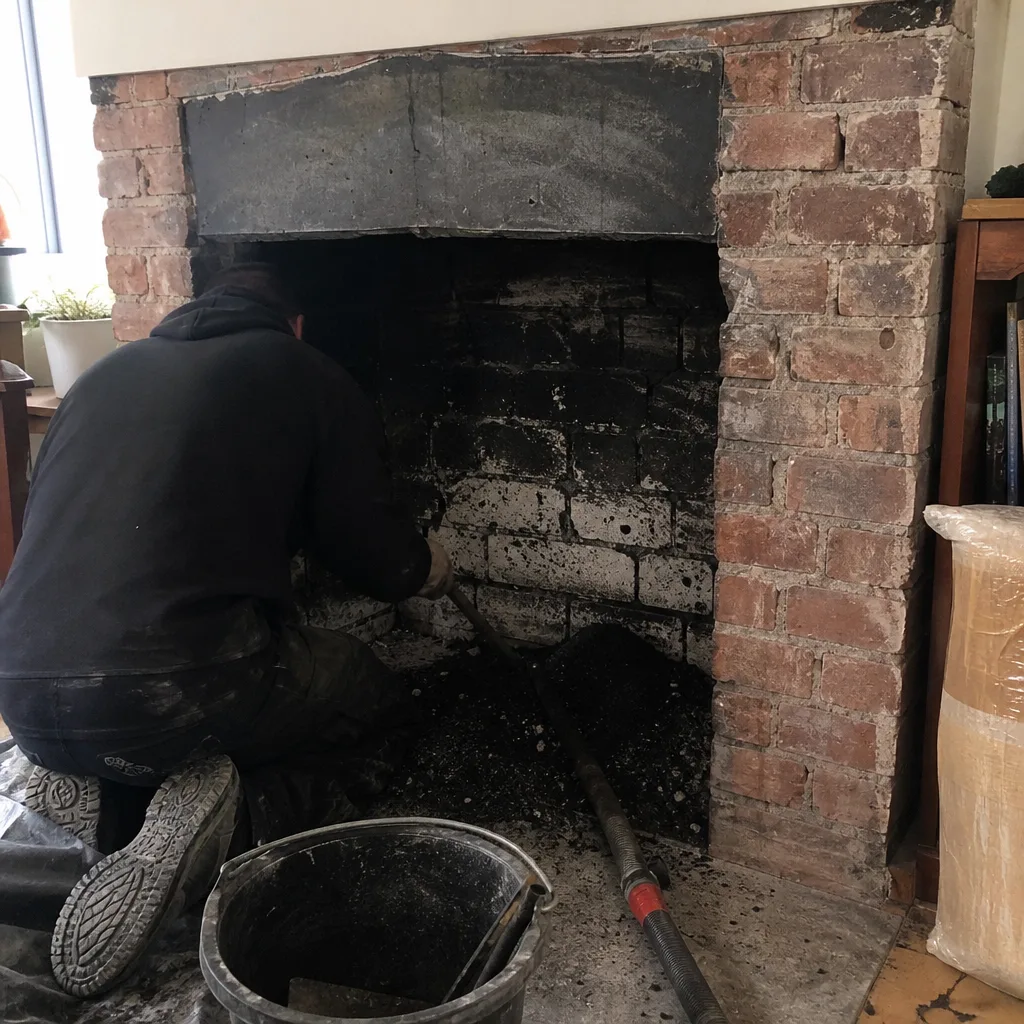 Before
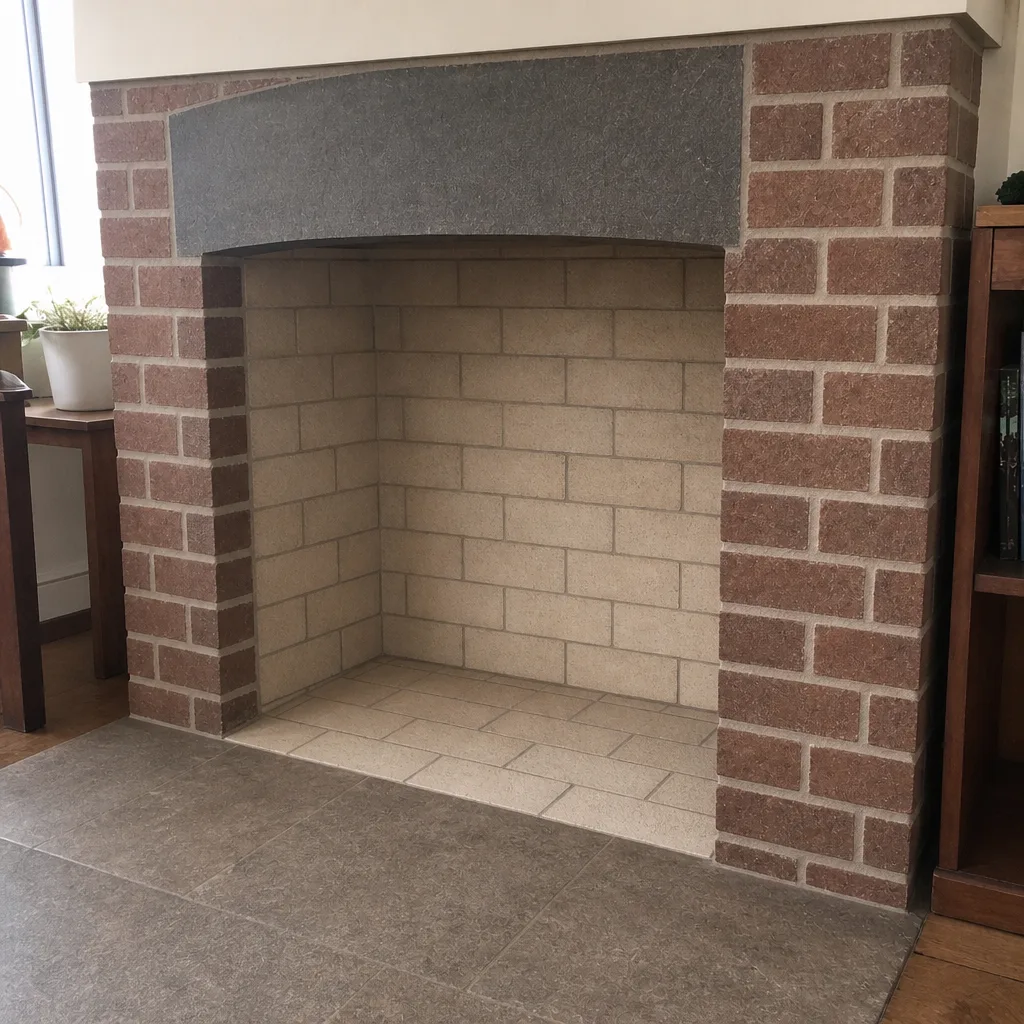 After
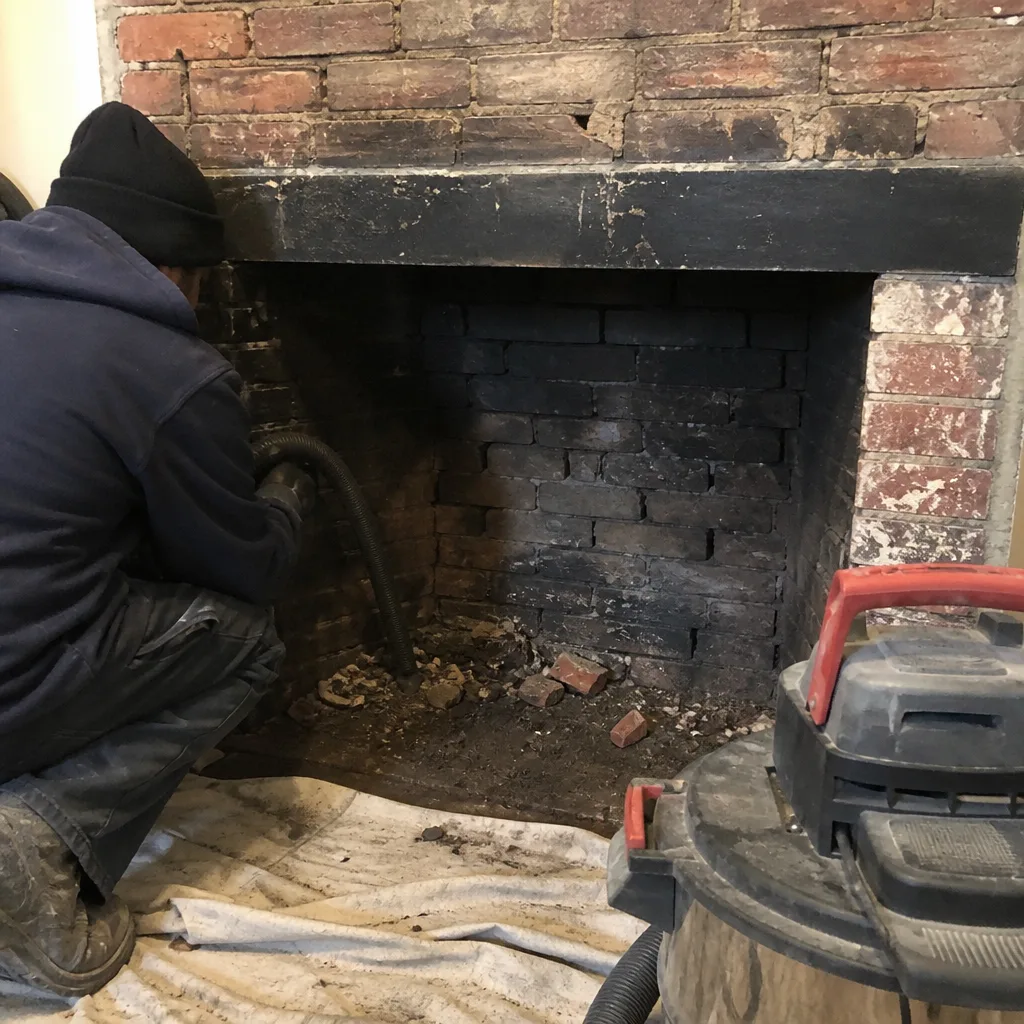 Before
 After
 Before
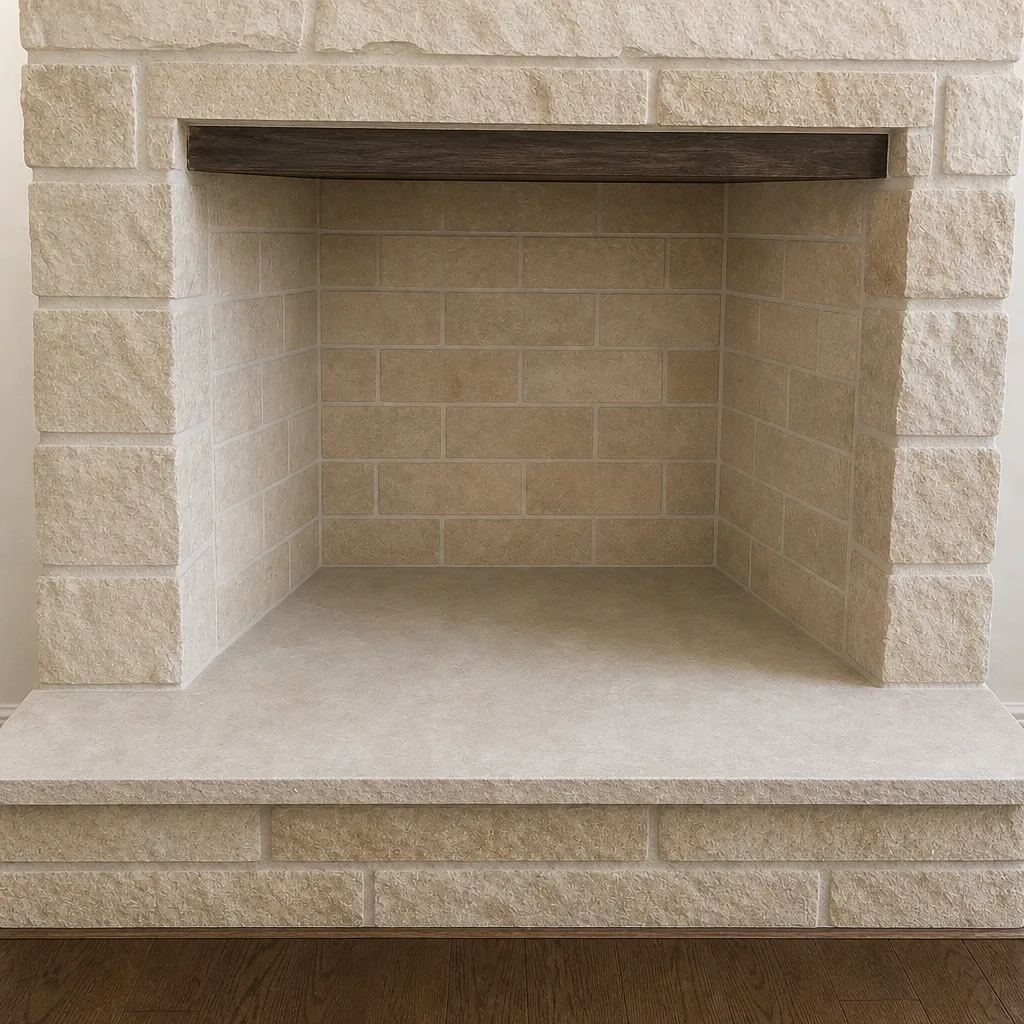 After