
Last updated November 25, 2026
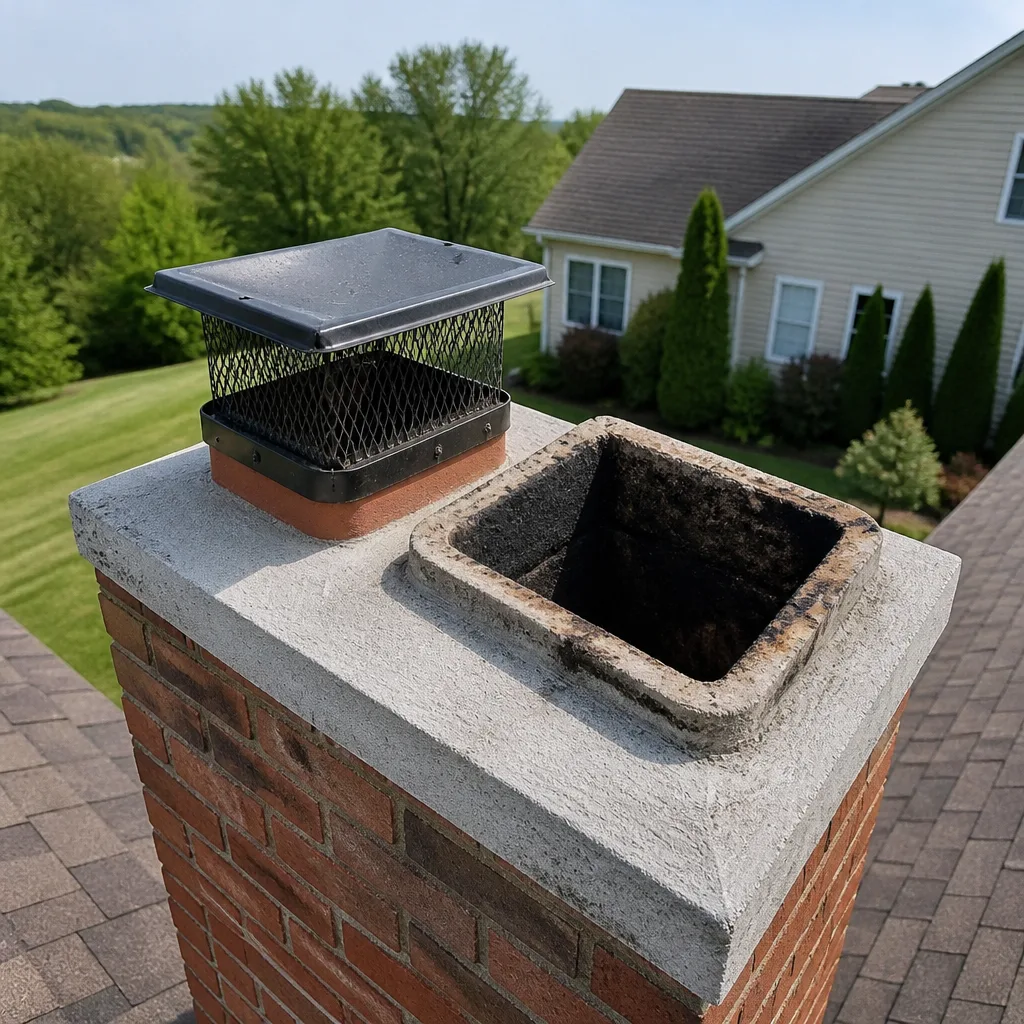 Sweep & inspection
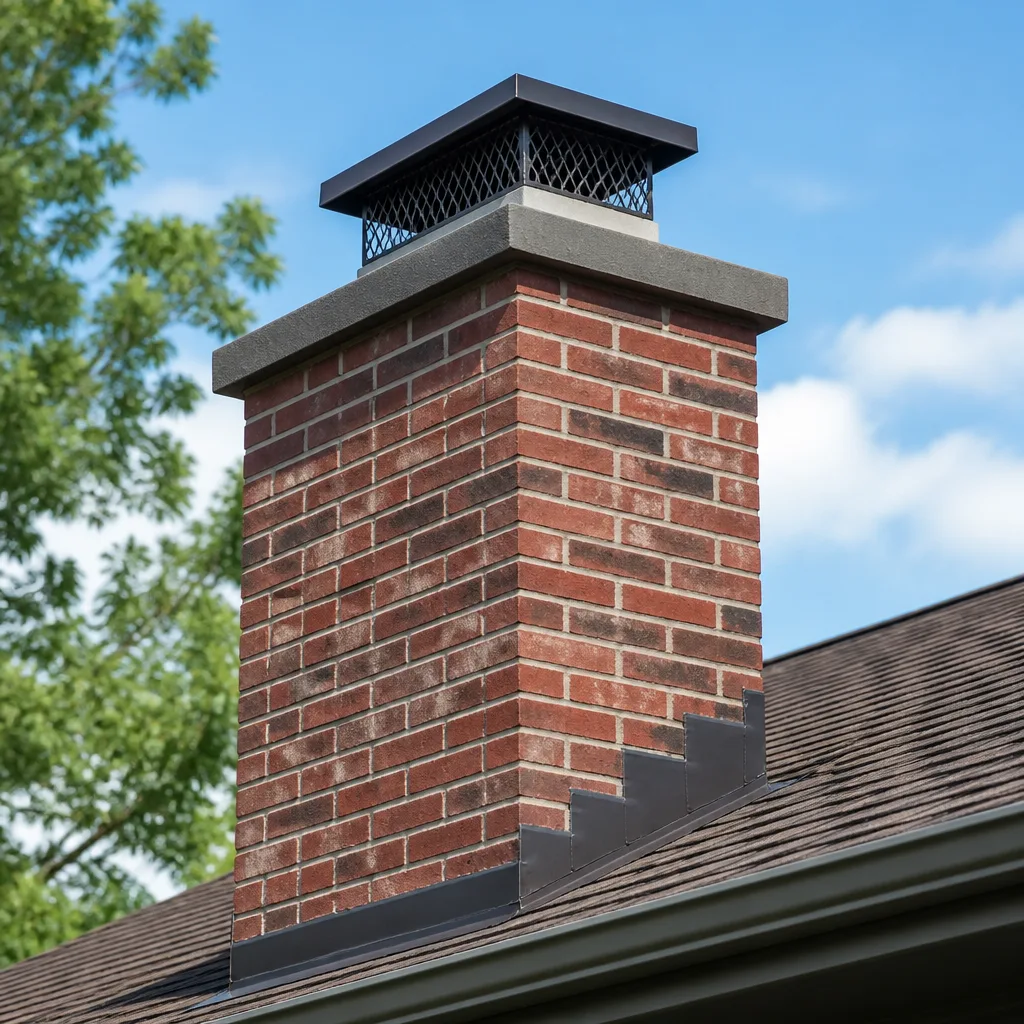 Caps & crowns
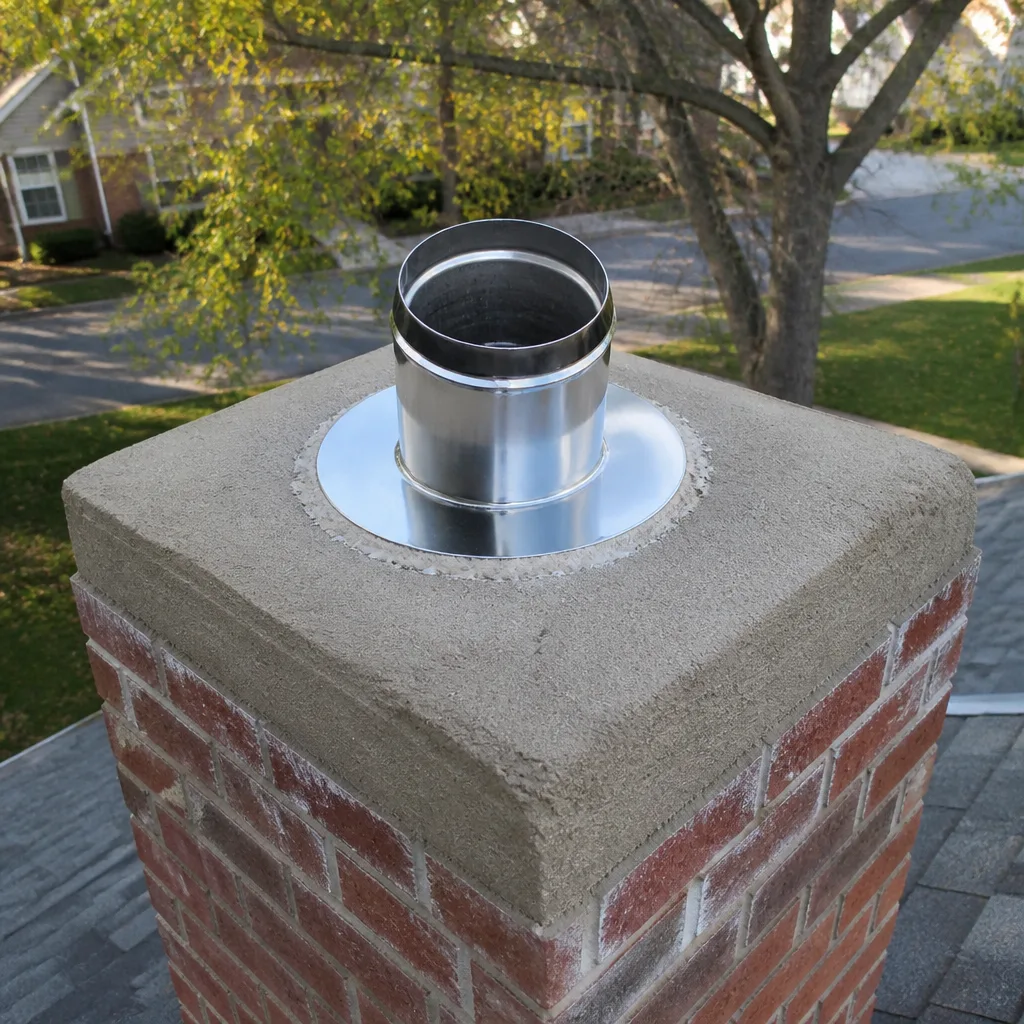 Flue relining
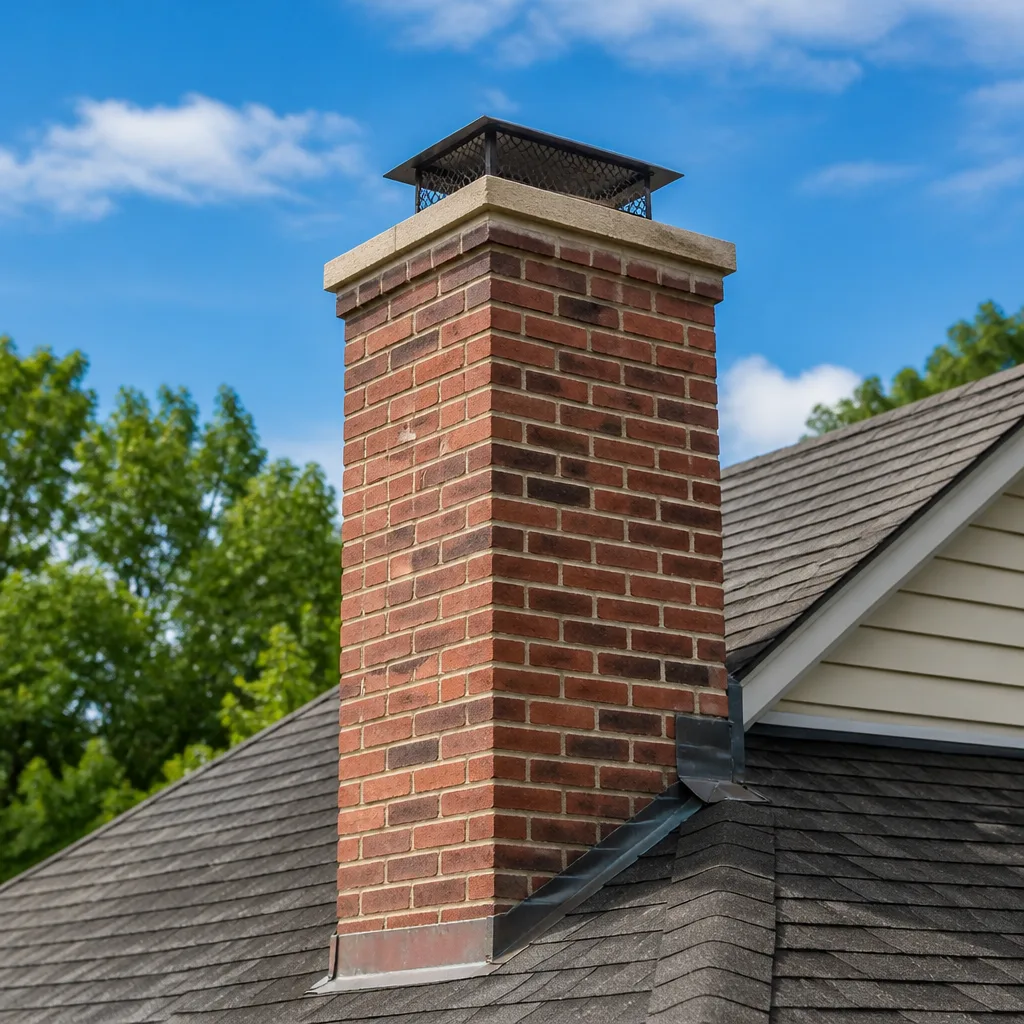 Masonry repair
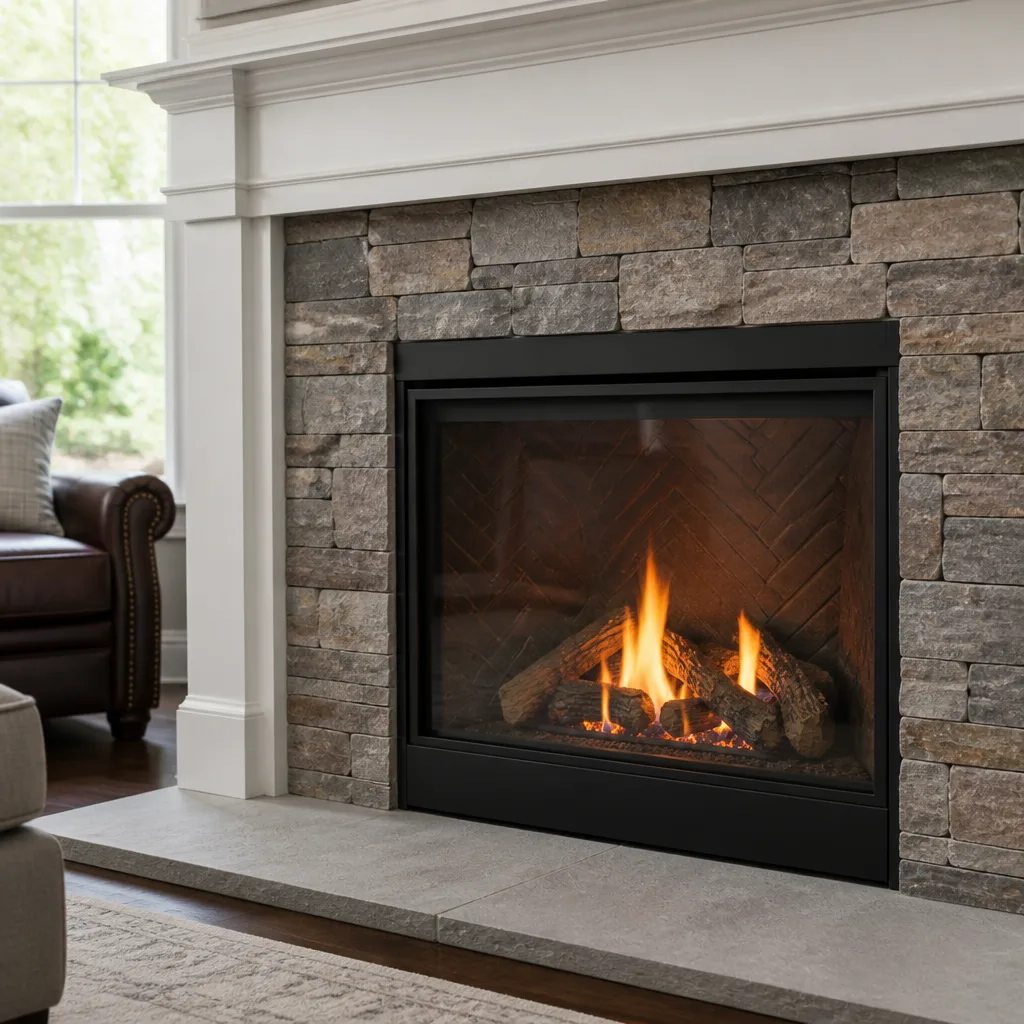 Gas fireplace service
Level 1 sweep and inspection to the NFPA 211 annual standard - flue, crown, cap, and flashing checked and photographed
Chimney sweep logs do not sweep chimneys. They loosen some creosote - which then falls where a brush and vacuum still have to collect it.
Chimney Cleaning Warning Signs: An East Village Homeowner’s Reference Guide
White staining on the outside of a chimney isn’t a cosmetic issue. It’s efflorescence, and it means water is moving through the masonry from the inside out. Most of the warning signs we get called about in East Village were visible for a season or two before anyone picked up the phone. The signals were there; they just got misread, or blamed on the weather, or filed under “deal with it later.” This guide decodes what each symptom actually says about the system behind it, so when you do talk to a chimney professional you can describe what you’re seeing accurately and prioritize what can’t wait.
Quick Answer
The main chimney cleaning warning signs are stained or discolored masonry, a smoky or smelly house when the fireplace runs, spalling brick and cracked mortar joints, a cracked crown, and popping, rumbling or falling debris during a fire. Any one of these is a reason to book an inspection and sweep. Several at once, or any sign of a blocked or damaged flue, means stop using the fireplace until it’s checked.
Styles & brands we work with
- Sweep & inspection
- Caps & crowns
- Flue relining
- Masonry repair
- Gas fireplace service
Table of Contents
- What your firebox is telling you: staining types and what they mean
- Draft and odor symptoms: smoky rooms, sulfur smells and the musty fireplace
- Exterior Masonry Signs in East Village Rowhouses: spalling, mortar and crown cracks
- Sounds during operation: popping, rumbling and falling debris
- Act now or wait for the next service? Sorting the signals
- How often does an East Village chimney actually need a sweep?
- Creosote stages and why the numbers matter
- Common mistakes to avoid
What Your Firebox Is Telling You: Staining Types and What They Mean
The firebox is the first place to look because it sits at the bottom of everything. Staining there is a message about what’s happening in the flue above, and the color of the stain narrows down the cause.
- White, powdery or chalky staining. Usually efflorescence, where water carries dissolved salts through masonry and leaves them behind as it evaporates. In a firebox this often points to moisture entering higher up, around the crown or at the flashing, and finding its way down.
- Brown or rust-colored staining. Often a sign of ongoing moisture with iron present, from flashing, a metal damper assembly or water tracking down a metal liner. Left alone it tends to progress to rusted components and crumbling mortar.
- Black, glossy or tar-like staining. This is creosote, and shiny, glassy creosote is the most combustible form. It builds faster when wood is burned cool or wet, and it’s a fire risk rather than a moisture issue.
- Black soot with a dry, powdery texture. Usually the most routine picture: normal soot accumulation that calls for a sweep, not necessarily a repair.
In our experience, the color tells you which trade is needed first. Black means cleaning. Brown or white usually means water, which means the fix lives at the top of the chimney or in the masonry, not at the firebox. East Village rowhouses share walls and sit tight to their neighbors, so moisture issues that start at one crown often show up as staining on a party wall inside. If the staining is white or brown, ask for a moisture investigation alongside the sweep. If it’s black and glassy, stop using the fireplace until a sweep removes it.
Draft and Odor Symptoms: Smoky Rooms, Sulfur Smells and the Musty Fireplace
A fireplace that smokes into the room, or a house that smells wrong when the chimney isn’t in use, is telling you something is off with flow. Draft problems are the ones homeowners most often blame on the house rather than the chimney, and that’s usually the wrong call.
Smoke rolling into the room. This is a draft failure. The common causes, in rough order of likelihood: a flue blocked by soot, creosote or a bird nest; a flue that’s undersized for the firebox; negative pressure in the house from a tight envelope, a running kitchen fan or a nearby furnace flue; or a chimney that’s too short for the roofline. In East Village, where rowhouses crowd each other and neighboring buildings create wind turbulence at the top of a flue, roofline height and nearby structures get worked into the diagnosis. A smoke test during an inspection tells you which cause is yours.
A sulfur or rotten-egg smell. This is a strong indicator of a blocked or deteriorating flue combined with moisture. It can also come from a gas appliance venting improperly. Do not treat this as a bad batch of firewood. Book an inspection before the next fire, and if the smell shows up with a gas log set, treat it as urgent.
A musty, damp fireplace smell. That’s usually water entering the system and staying put, not a cleaning problem. Common culprits are a missing or loose chimney cap, a cracked crown, or flashing that’s pulled away from the masonry. Fixing the water entry fixes the smell; sweeping does not.
The good news: these symptoms separate cleanly. Smoke in the room points to flow. Sulfur points to blockage and moisture. Musty points to water. Tell a chimney professional which of the three you’re smelling or seeing and the diagnosis starts with a shorter list.
Exterior Masonry Signs in East Village Rowhouses: Spalling, Mortar and Crown Cracks
Walk outside and look up. The exterior of the chimney is where slow damage turns visible first, and East Village rowhouse chimneys show it in specific ways because of how they’re built.
- Spalling brick. The face of a brick has flaked or popped off, leaving a rough, crumbling surface. This means the brick has been absorbing water and freezing, and each freeze-thaw cycle pushes it apart a little more. East Village winters move above and below freezing repeatedly, which is what drives the cycle. Left alone, spalling moves from the surface into the brick body.
- Deteriorating mortar joints. Mortar that’s receded, sandy or missing between bricks. Mortar is the softer material by design, so it’s expected to wear first, but once joints recede the brick face is exposed and water gets in through the joints themselves. Repointing restores the seal.
- A cracked or crumbling crown. The crown is the concrete cap at the very top that sheds water away from the flue. Hairline cracks are common and manageable; a crown that’s separating from the flue, cracked through, or growing a plant out of it is sending water straight into the masonry below.
- White efflorescence on the outside face. Same mechanism as inside: water moving through the masonry and leaving salts behind. On the exterior it often means the crown or flashing is the entry point.
- Rust stains below the cap or flashing. Metal components are reacting to sustained moisture, and whatever is rusting is also weakening.
East Village is dense and walkable, with rowhouses packed along numbered streets and the blocks around Tompkins Square Park. That density means exterior chimney work often requires cooperation with a neighbor or careful access, and the shared rooflines mean a crown leak on one address can quietly affect the brick of a party wall next door. When you see spalling or joint loss, don’t wait for it to move into the interior wall, because interior masonry repair is a much bigger job than a crown fix.
Sounds During Operation: Popping, Rumbling and Falling Debris
Your fireplace should be fairly quiet. It crackles, and that’s it. The sounds below are mechanical information, and each one points to a different part of the system.
- Popping or a low roar that rises and falls. This is usually a chimney fire, even when it’s small and self-extinguishing. Glossy creosote ignites, burns hot and dies back, and the homeowner may notice only a rumble and a sudden smell. A chimney fire can damage the flue without visible flames. If you’ve heard this, treat the chimney as needing an inspection before the next fire, no exceptions.
- Rumbling or a deep boom from the chimney top. A blocked flue forces smoke and heat back down, and the pressure change makes a rumble you can hear from the room. It’s a sign of an obstruction: soot buildup, a nest, or a broken flue tile.
- Ticking or rattling during the fire. Metal components expanding, often a damper frame or a metal liner reacting to heat. Worth a look, generally not urgent unless it’s new.
- Debris falling into the firebox or landing on the hearth. Flakes of creosote, chunks of flue tile or mortar, or brick fragments. Flue tile and mortar fragments mean the flue liner is breaking down, which is a repair-level finding, not a cleaning one. Stop burning and get it inspected.
- A whistle or high-pitched draw. Often a gap in the liner or a leaking cap assembly letting air in at the wrong place. Draft noise needs diagnosis, not tuning out.
Sounds are easy to dismiss because they pass. In our experience the debris-falling sound is the one that homeowners underrate most. A crumbled piece of flue tile means the inner wall of the chimney is failing, and that can’t be swept away.
Act Now or Wait for the Next Service? Sorting the Signals
Not every sign is urgent, and knowing which is which stops you from panicking over a routine soot deposit and stops you from ignoring a failing liner. Here’s how to sort them.
Signs that can wait for the next scheduled sweep
- Dry black soot on the firebox walls without glassy creosote.
- Mild efflorescence with no interior staining and no musty smell.
- Hairline cracks in the crown only, with no separation or spalling below.
- Slight rust on the damper with everything else looking sound.
Signs that call for an inspection before the next fire
- Glossy, tar-like creosote in the firebox or visible in the flue from the cleanout.
- A smoky room, a whistle, or the rumble of a blocked flue.
- Spalling brick, missing mortar or a crown that’s cracking through.
- Any debris landing in the firebox during a fire.
Signs that mean stop burning and get it checked now
- A chimney fire, even a small roaring one that ended quickly.
- A sulfur or rotten-egg smell, or any gas-appliance venting concern.
- A blocked flue that won’t draw at all.
- A flue with visible damage or a detached liner at any point.
If two or more signs on the second list show up together, treat it as one finding, not several. That’s when it’s worth booking a full chimney sweep and inspection together so a single visit covers cleaning and diagnosis.
How Often Does an East Village Chimney Actually Need a Sweep?
Once a year, at minimum, for a chimney in active use, and more often if you burn heavily or the wood isn’t well seasoned. That’s the answer the industry gives, and it holds for East Village rowhouse chimneys. The real schedule is driven by three things.
- Volume of use. A wood-burning fireplace used several times a week through winter builds creosote faster than one used on special evenings. Every fire adds a deposit.
- How well the wood burns. Dry, seasoned wood burns hot and leaves less creosote. Wet or green wood, or burning paper and trash, builds it faster and thicker.
- What the inspection finds. A sweep removes soot and creosote. The inspection is the part that catches the stained firebox, the smoky draft or the spalled brick before they escalate.
For a gas fireplace, an annual inspection still makes sense, because gas log sets vent through the same flue and have their own safety concerns around carbon monoxide. A blocked or damaged flue on a gas appliance is a carbon monoxide source, and carbon monoxide is colorless and odorless. That’s the reason annual inspection matters on gas even though there’s no soot to sweep.
You can’t always tell by looking from inside the room how much creosote has built up. The camera inspection and photo report are how you see it for yourself. Book a sweep before the burning season starts rather than in the middle of it, because once you’re deep into winter you’ll want the fireplace running, not waiting for an appointment.
Creosote Stages and Why the Numbers Matter
Creosote doesn’t form all at once; it moves through stages, and the stage decides whether the fix is a sweep or a bigger job. The stages are measured as degrees, and every chimney sweep talks in these.
- First-degree creosote. A light, flaky coating of soot and creosote. This is a sweep and you’re done. Routine.
- Second-degree creosote. A flaky but more cohesive layer that bonds to the flue. Still sweepable, sometimes with more mechanical work, and a warning to check your burning habits.
- Third-degree creosote. A hard, glassy, tar-like glaze on the flue wall. It’s the most combustible form, it’s hard to remove, and it’s the stage that catches fire. Glossy creosote in the firebox or visible glaze in the flue means an inspection, not a routine cleaning.
If the flue wall itself is damaged, the fix can be a resurfacing or a new liner rather than another sweep. HeatShield is a resurfacing system for flue walls, and it’s the kind of solution that lives on the repair side of the trade rather than the cleaning side. When a sweep company finishes at the soot and moves on, the creosote stage and the flue condition never get assessed. That’s the gap to look for when you book.
If you want to know your actual stage before the season starts, a camera inspection gives you the answer with photos you can look at yourself.
Common Mistakes to Avoid
- Blaming a smoky house on the chimney being “too cold.” Cold flues do draft poorly at startup, but persistent smoke points to a blockage, sizing or pressure problem that won’t fix itself. Test the draft with a smoke test rather than with more kindling.
- Painting over efflorescence or spalling brick. Sealing the surface traps the water inside and drives the damage deeper into the masonry. Find and stop the water source first, then repair the masonry.
- Burning wet or unseasoned firewood to stretch the pile. It’s the fastest way to build glossy creosote, and it makes the next sweep harder and the fire risk higher. Dry, seasoned wood is the cheapest chimney insurance there is.
- Reading a cleared firebox as a clean flue. A clean firebox tells you nothing about the flue above it. The camera inspection is what sees the flue wall, and there’s no substitute for it.
- Putting off the crown because “the chimney looks fine from the ground.” The crown is the top of the system and sees more weather than anything below it. A crown crack that’s an hour of work now becomes water damage in the masonry months later.
- Hiring a sweep who stops at the sweep. If the only service offered is a cleaning, the findings that matter, like a failing liner or a spalling stack, go back to you without a repair plan. You want a chimney repair scope that the same team can handle.
- Ignoring the shared-wall question in a rowhouse. East Village rowhouses share walls, and a moisture issue in your chimney can show up on the neighbor’s brick before your own. If you see staining on a party wall, look at both sides of the wall before deciding it’s a neighbor’s problem.
When to Call a Professional
Call a chimney professional when you see glossy black creosote, spalling brick or a crown that’s cracking through; when the house smells musty, smoky or like sulfur; when anything falls into the firebox during a fire; or when you can hear a chimney fire, even a quick one. Also call if it’s been more than a year since the last inspection, because the signs above often exist before anyone notices them. Chimney Sweep East Village offers free estimates in East Village. Call (844) 443-3695. We answer 24/7. Fast dispatch from 7am to 7pm, Sunday through Friday.
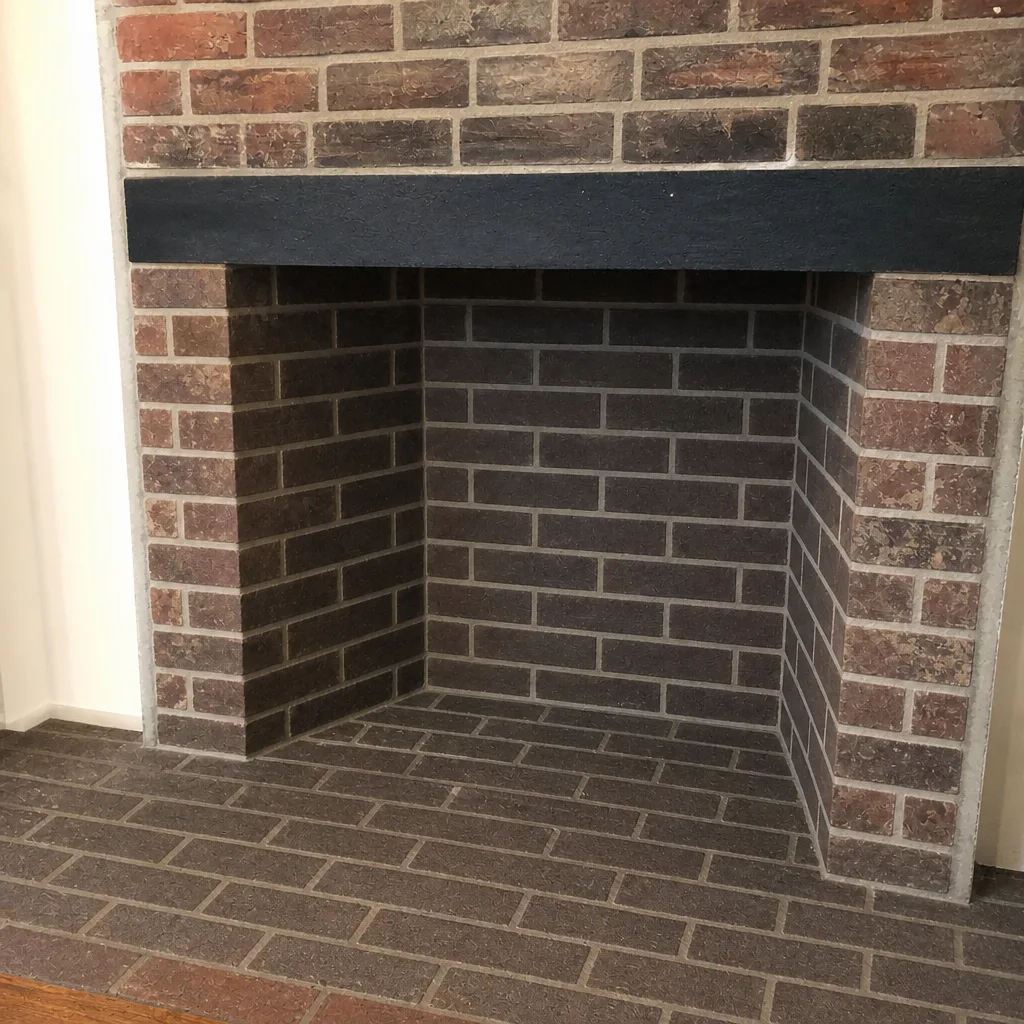
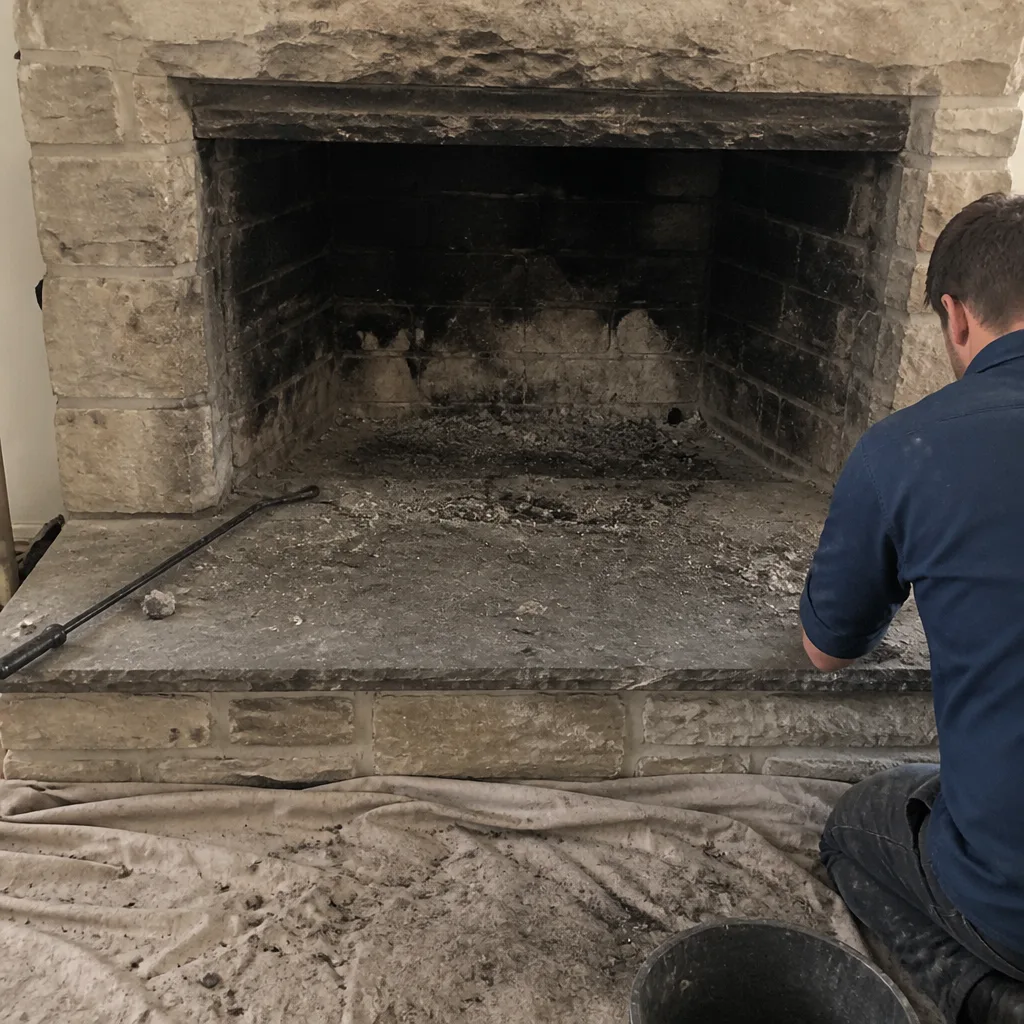
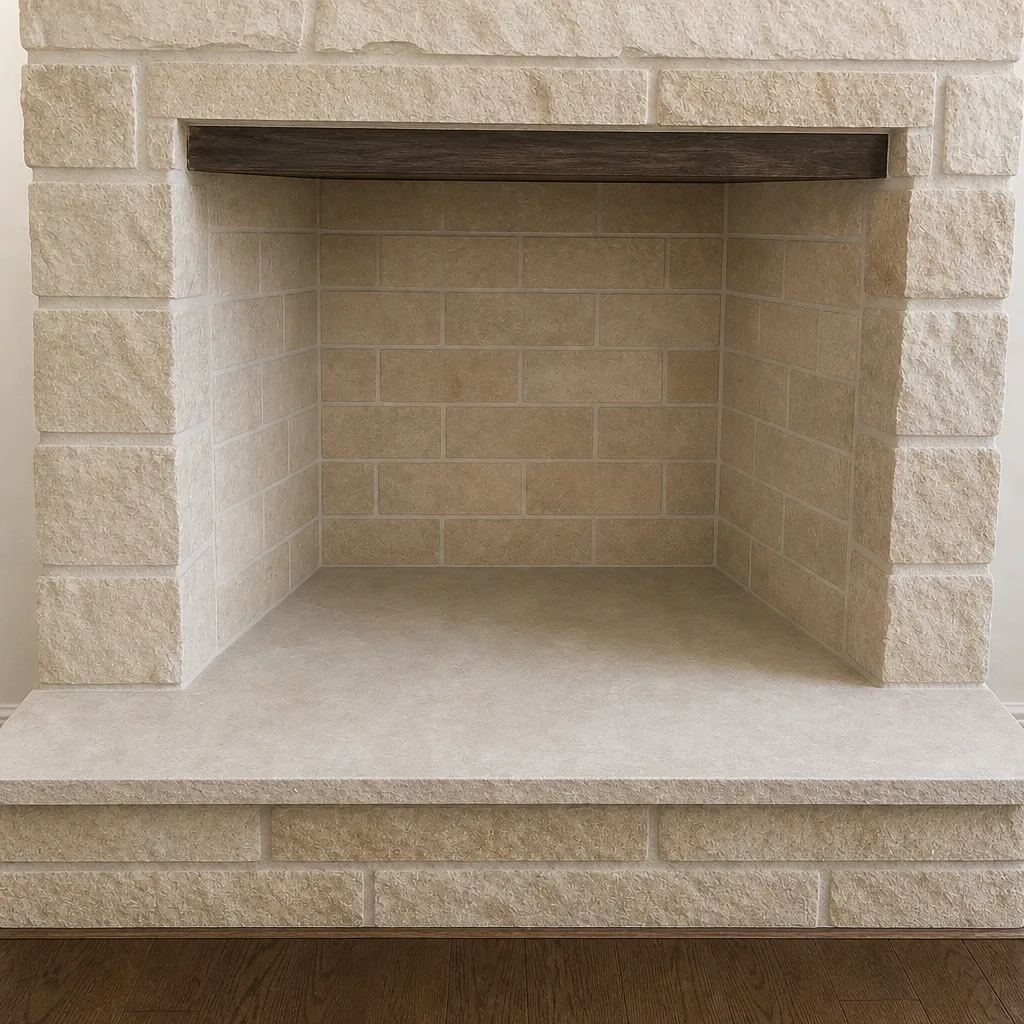
See the difference
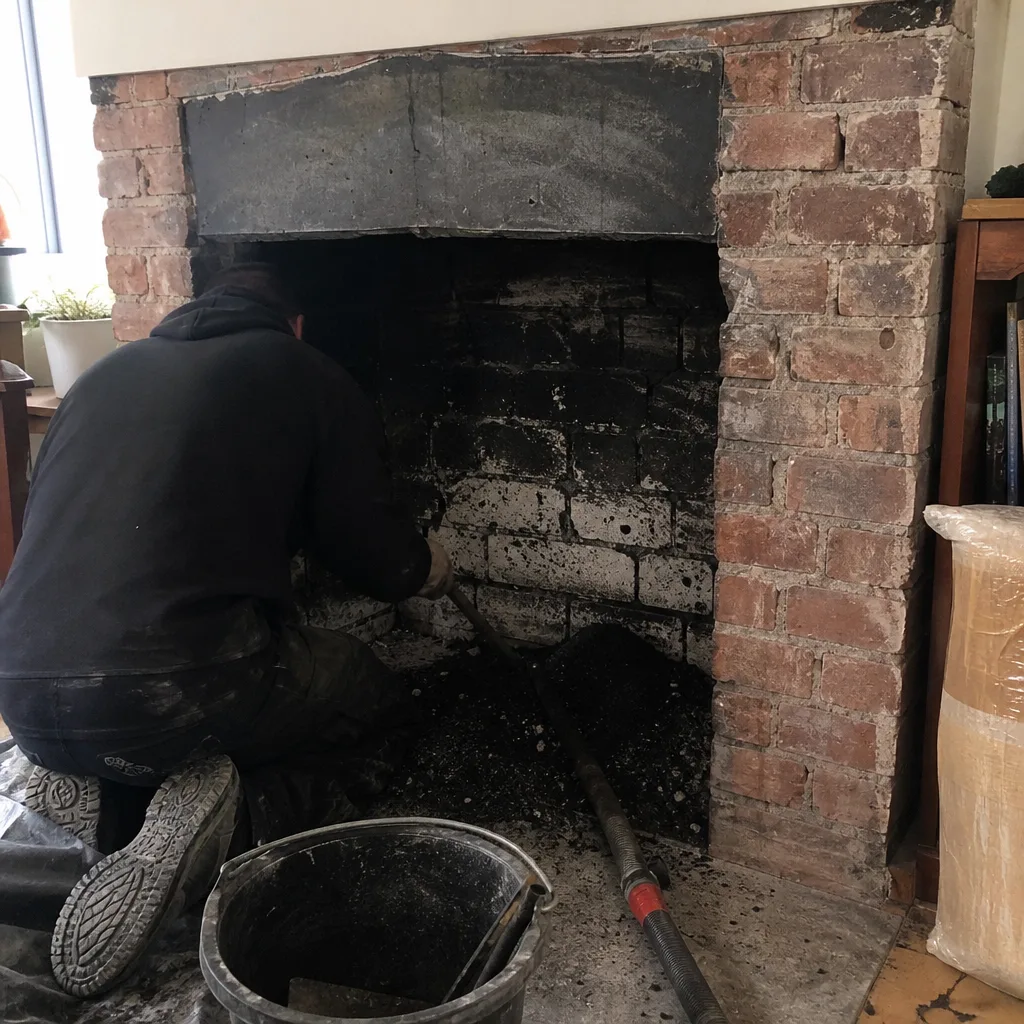 Before
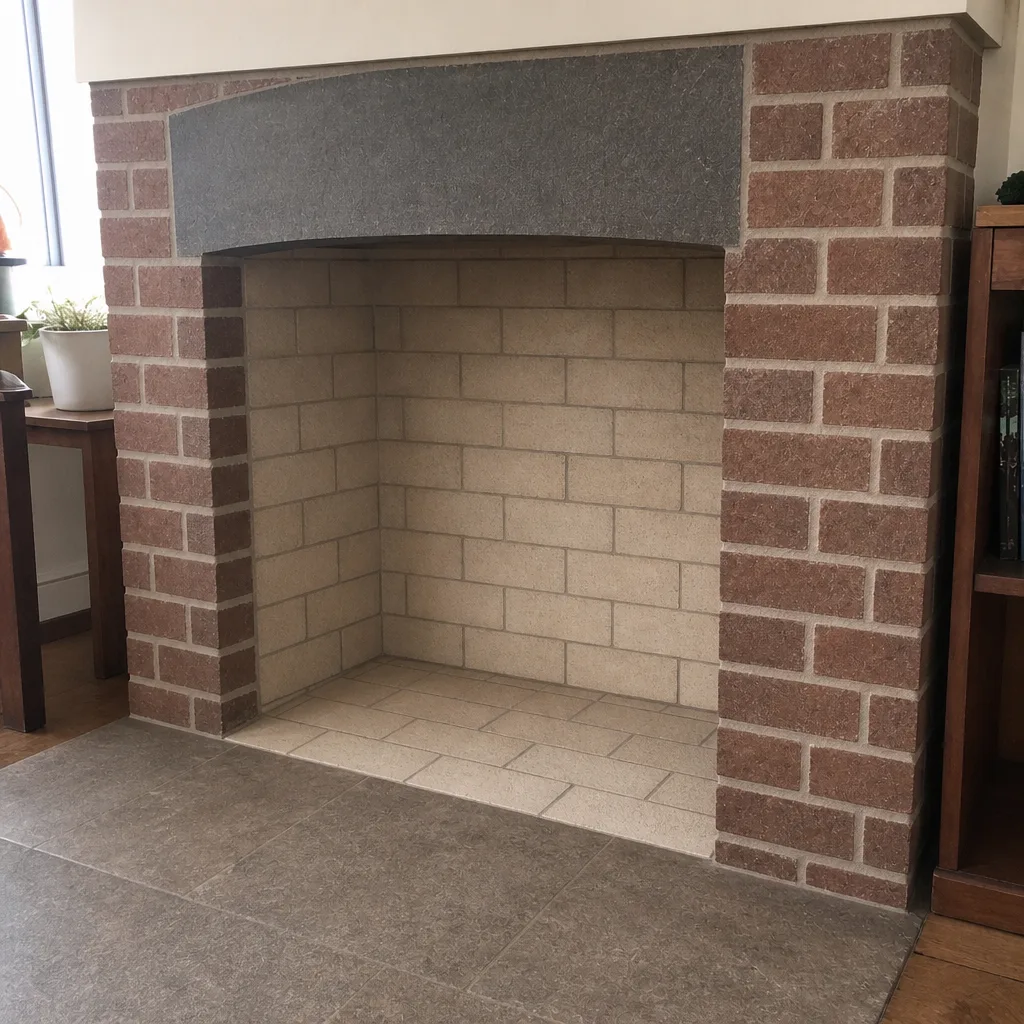 After
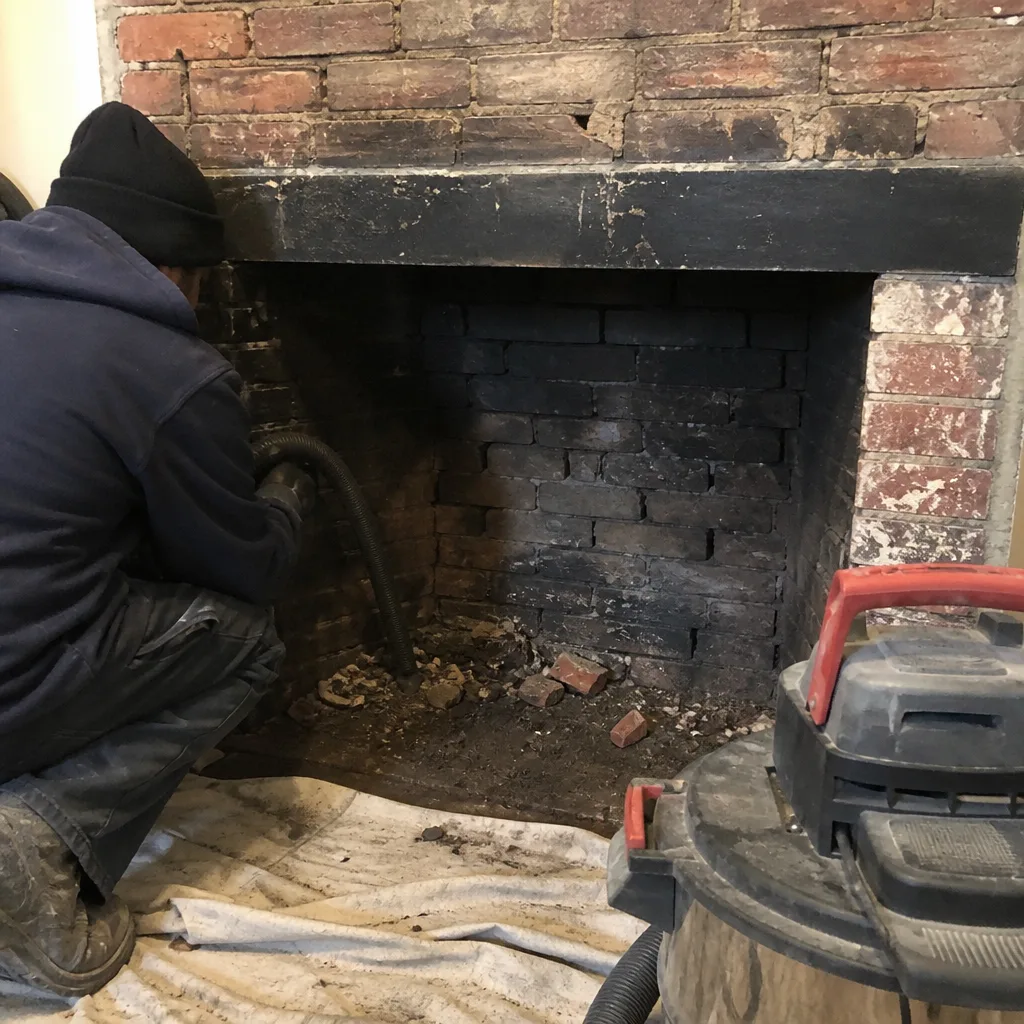 Before
 After
 Before
 After
Cap and Crown: The Preventive Side of the Warning Signs
Most of the warning signs above start as water getting into a system that should have been sealed at the top. A chimney cap & crown in sound condition keeps rain, snow and wildlife out of the flue, and keeps the masonry dry below. If your inspection finds the crown cracked or the cap loose, fixing it is preventive work, and it costs far less than the masonry repair that follows a leak.
We specify professional-grade materials from the industry’s trusted suppliers, including Olympia Chimney caps and crowns, and the work is installed by professionals who set it in place against the flue, so water sheds away from the system. The cap is also the wildlife barrier, and in a dense rowhouse neighborhood with mature trees, birds and squirrels will find an open flue quickly. Once they’re in, they block the draft, which is exactly the smoky-fireplace symptom this guide has been decoding.
Whether it’s a cap replacement, a crown rebuild or a liner resurfacing, the point of single-source work is that the inspection findings get fixed by the same team. If you want the whole system checked and repaired under one roof, start with a free estimate and a look at the Chimney Sweep East Village home page for what we cover.
Frequently Asked Questions
The earliest signs are usually a dry black soot buildup and a lighter flaky creosote coating on the firebox walls. If it’s glossy or tar-like, or if the house smells musty or smoky when the fireplace runs, it’s past a routine sweep. Book an inspection and camera check before the next fire, and call for a free estimate if you’re not sure which stage you’re at.
You can buy a brush, but you can’t see the flue wall or diagnose a liner from the room. The value of a professional sweep is the inspection and the camera report, not just the brush. Call us for an inspection instead of guessing.
White staining is usually efflorescence, which means water is moving through the masonry and leaving salts behind as it dries. It’s a moisture problem, not a cosmetic one, and it points to the crown, flashing or a liner issue. Book an inspection to trace the water source before the masonry damage gets deeper.
A smoky room is a draft problem, not necessarily a fire risk, but a blocked flue that causes smoke can also cause carbon monoxide buildup on a gas appliance. It needs diagnosis, not a season of living with it. Call for a smoke test and inspection.
Yes, an annual inspection at minimum, even for light use, and more often if you burn heavily or use wet wood. A few fires a year still deposit soot, and the inspection is what catches the stained firebox, a cracked crown or a failing liner. Book it before the burning season.
Nothing dramatic at first, which is the trap. The creosote keeps building, the crown keeps cracking, and what would have been a sweep becomes a liner or masonry repair. Skipping the inspection just delays the work and raises the bill. Call for a free estimate and start with a camera inspection.
The Bottom Line
Most chimney problems are visible or detectable before they become emergencies. The stained firebox, the smoky room, the sulfur smell, the spalling brick and the crown crack are all symptoms with specific causes, and the trick is reading them accurately and prioritizing what’s urgent from what can wait. Black soot is a sweep. White or brown staining is water. Glossy creosote is fire risk. Falling debris is a repair. Get an inspection and camera report before the burning season, then let the same team that finds the problem fix it. If you’re not sure what you’re looking at, call and describe it. That first conversation is where the diagnosis starts.
Call (844) 443-3695 for a free estimate. We answer 24/7. Fast dispatch from 7am to 7pm, Sunday through Friday. Our technicians have up to 9 years of experience, and we handle the full chimney system, from the firebox to the crown.
Written by the team at Chimney Sweep East Village.