
Last updated November 25, 2026
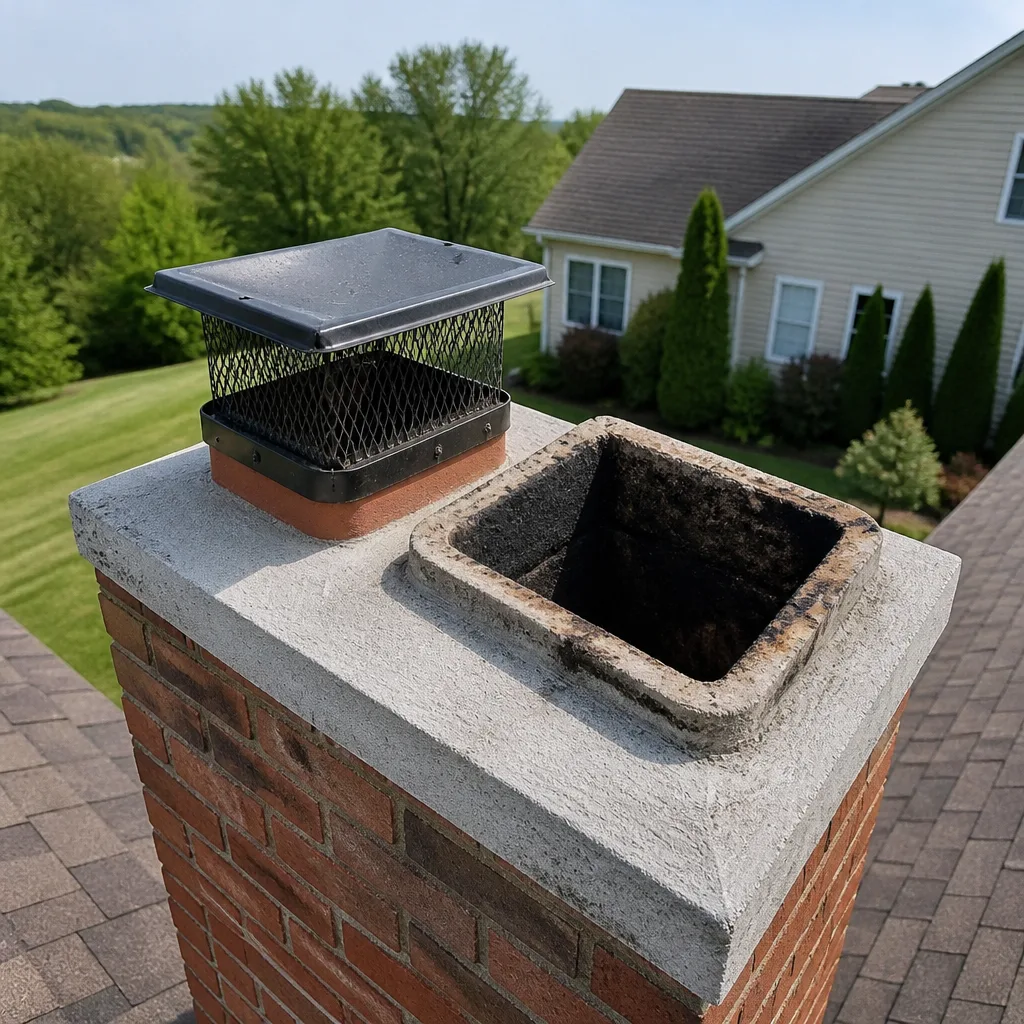 Sweep & inspection
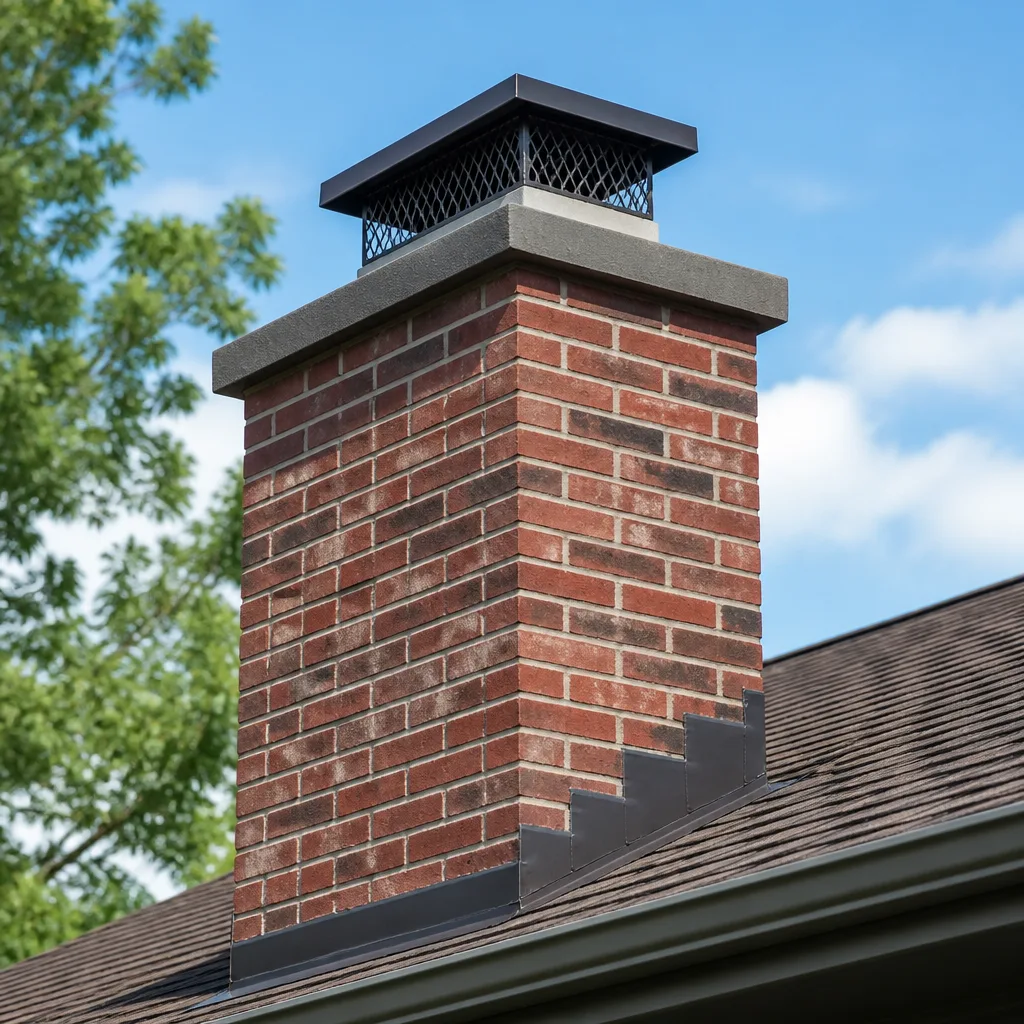 Caps & crowns
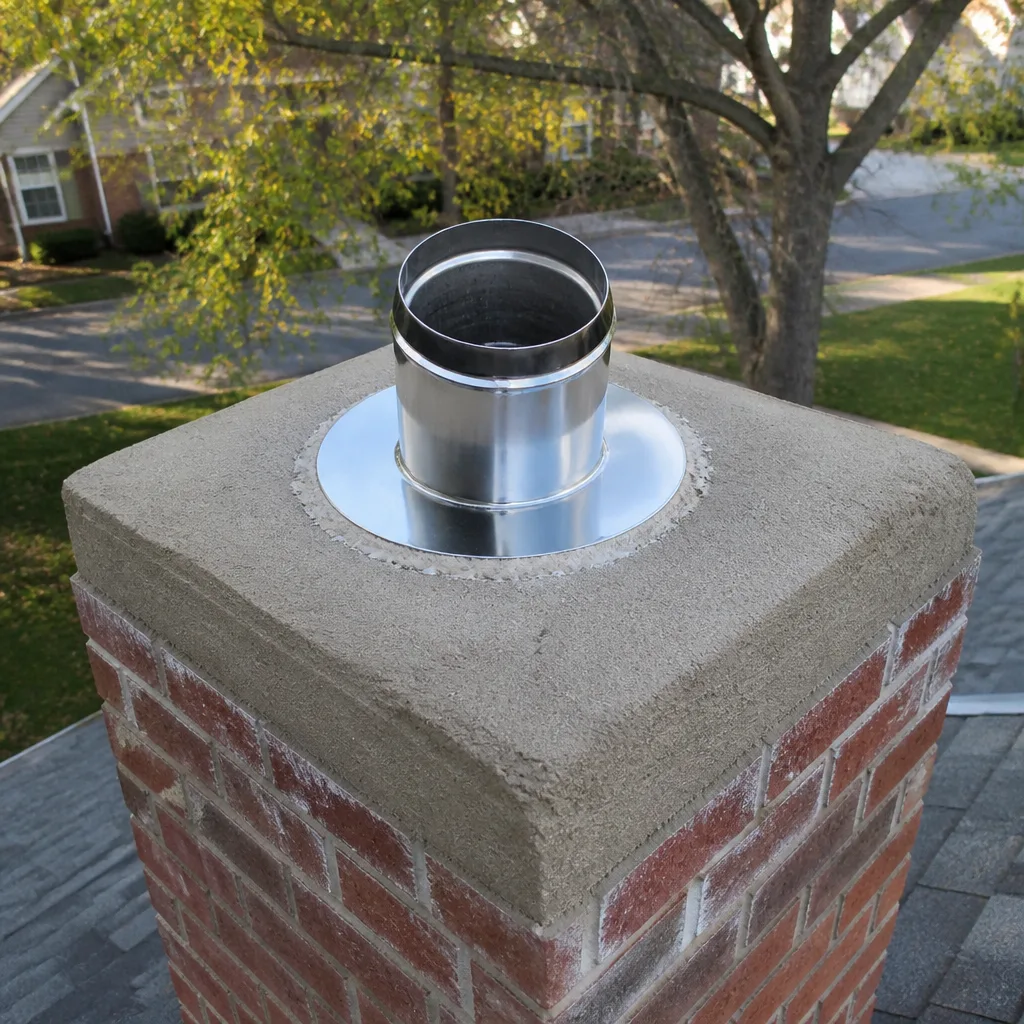 Flue relining
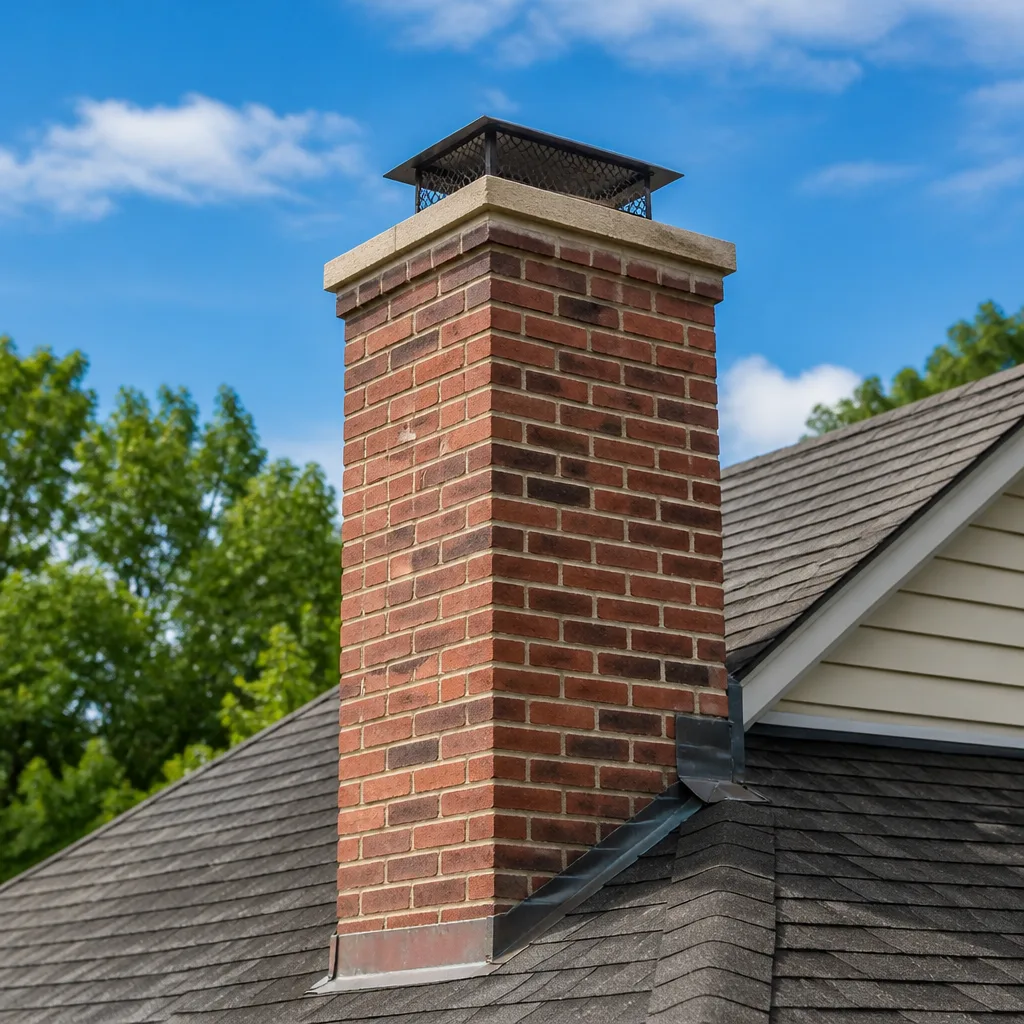 Masonry repair
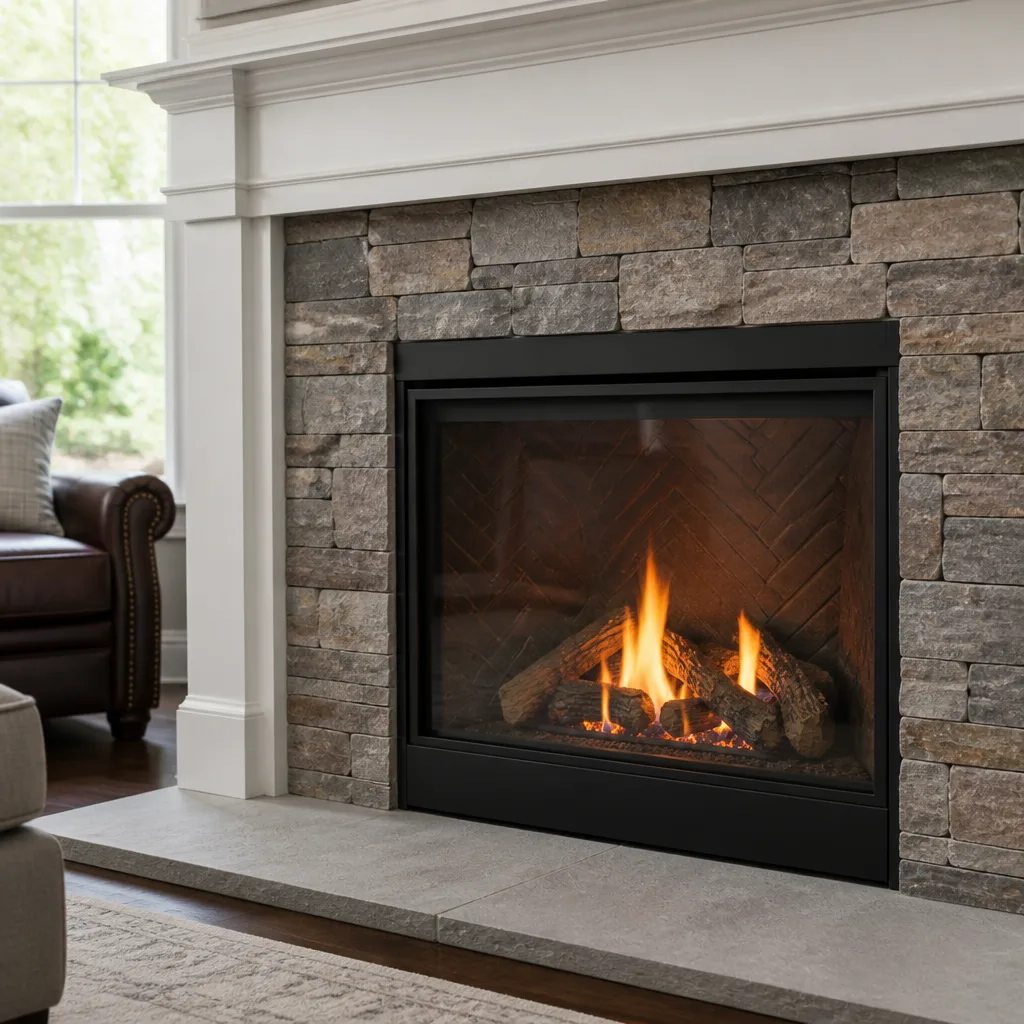 Gas fireplace service
Level 1 sweep and inspection to the NFPA 211 annual standard - flue, crown, cap, and flashing checked and photographed
Chimney sweep logs do not sweep chimneys. They loosen some creosote - which then falls where a brush and vacuum still have to collect it.
How to Hire a Chimney Cleaning Contractor in East Village: A Step-by-Step Guide
Most homeowners hire a chimney sweep the way they hire a plumber: they collect a couple of quotes, pick the middle one, and hope for the best. That approach fails more often in chimney work than almost anywhere else, because the trade has no single license that guarantees competence. The cheapest quote in New York City usually comes from someone without CSIA certification, and in a pre-war East Village building, that gap in training has real consequences for the flue that vents your fire. This guide walks you through exactly what to verify before anyone climbs onto your roof or reaches into your firebox.
Quick Answer
Hire a chimney contractor in East Village by verifying four things before you book: current CSIA certification, a written inspection report with camera images, specific liability insurance details, and a clear scope of work stated in the quote. A full-service chimney specialist will offer all four without being pushed. A one-service sweep shop typically offers none, and that’s the difference worth paying attention to.
Styles & brands we work with
- Sweep & inspection
- Caps & crowns
- Flue relining
- Masonry repair
- Gas fireplace service
Table of Contents
- Why hiring a chimney contractor in East Village is different from hiring other trades
- What CSIA certification actually covers (and what a general contractor license doesn’t)
- The five questions to ask before you schedule
- Red flags specific to low-bid chimney sweeps
- Why a specialist delivers a written condition report
- How to compare quotes when contractors scope different levels of service
- A step-by-step walkthrough of the hiring process
- Material sourcing: what your contractor specifies and why it matters
Why Hiring a Chimney Contractor in East Village Is Different From Hiring Other Trades
Chimney work is one of the few residential trades where a poorly trained technician can cause a problem you won’t discover until it matters most. A bad plumbing repair leaks where you can see it. A bad flue job hides inside a wall. The chimney is a concealed system with a combustion source at one end and an exhaust point at the other, and everything in between is either correct or dangerous.
East Village adds friction to that problem. The neighborhood is dense with walk-ups and pre-war buildings, and many of the chimneys here run through shared masonry stacks with complex flue configurations. A flue that once served a coal furnace may now vent a wood-burning insert, and the liner that made sense in 1930 doesn’t meet the demands of a modern appliance. In our experience working East Village buildings, that mismatch is common and rarely visible from the street.
The market responds to that complexity with a lot of general handymen advertising chimney cleaning as a side service. They can brush a flue. What they can’t do is inspect the liner, identify a cracked crown, assess whether the flue is properly sized for the appliance, or write a report you could hand to a building manager. That’s the gap this guide closes.
You’ll learn how to separate a trained chimney specialist from a generalist, how to compare quotes that are scoping different levels of work, and how to read a condition report well enough to decide what actually needs fixing now. For background on the trade itself, our Chimney Sweep East Village overview is a reasonable starting point.
What CSIA Certification Actually Covers (and What a General Contractor License Doesn’t)
CSIA certification is a professional credential from the Chimney Safety Institute of America, and it tests knowledge specific to chimney and venting systems. It covers inspection standards, venting principles, the causes of chimney fires, liner condition assessment, and combustion safety. The certification requires passing a written exam and maintaining continuing education to keep it current.
What it is not: a municipal license, and it does not come from a general contractor’s board. A general contractor license in New York State allows someone to manage construction projects. It says nothing about flue geometry, creosote behavior, or whether your appliance is venting correctly. Those are separate bodies of knowledge.
This matters for East Village specifically because the housing stock is old. Chimney systems built in the early twentieth century were not designed for the appliances homeowners are using today. Reading those systems requires training that a general contractor earns elsewhere, if at all.
What to verify on a CSIA credential
- Current certification status. CSIA certification expires. Confirm the technician’s credential is active.
- Scope of certification. The certification covers sweeping and inspection. Repair of structural masonry or liner installation requires additional manufacturer-specific training.
- Credentials on site, not just at the company. The person on your roof is the one who needs the training.
Ask these questions plainly on the phone. A certified sweep will answer immediately. A handyman advertising chimney service usually changes the subject. If you want a routine chimney sweep, this is the credential to verify before anything else.
If you want to know whether a company offers the full scope of repair work after inspection, ask about manufacturer-specific training too. HeatShield application, for example, requires training in that specific system. A company that’s HeatShield-capable can resurface a flue from the inside without a full rebuild, which is a demanding process most sweep companies outsource or don’t offer.
The Five Questions to Ask Before You Schedule
These five questions separate a professional chimney contractor from a handyman with a brush. Ask them on the phone. The answers you get telling you whether to book, and the ones that stay vague tell you to keep calling.
1. Can you access the liner, and how will you get there?
The liner is the interior surface of the flue, and it’s where most real problems live. A sweep that only works from the firebox and never reaches the flue top is limited in what they can see. Ask whether they’ll inspect from both ends and what access they need. In East Village walk-ups, roof access is a genuine question, and a professional will tell you plainly what they need and why.
2. Do you include camera inspection, and is it standard or optional?
A camera inspection is a scope that runs the length of the flue and gives you a view of the interior. Some companies charge extra for it. Some include it. Some don’t offer it. Ask directly. If camera inspection is an optional add-on, ask exactly what the base service covers without it. That answer tells you what you’re actually paying for.
3. What does the documented report look like, and when do I receive it?
A professional chimney company produces a written condition report with photographs, reference images, and a description of what was found and what it means. Get a sample if you can. If the report is verbal only, or if the answer is “we’ll tell you when we’re done,” you’re dealing with a one-service sweep. The report is the most valuable part of the visit, not the brushing.
4. Can you give me your liability insurance specifics?
Chimney work happens on roofs and inside walls. Ask for the name of the insurance carrier, the policy type, and whether you can have a certificate of insurance before work starts. A professional will produce this. A low-bid sweep will say “we’re insured” and hope you don’t follow up. Don’t accept the general statement without the certificate.
5. Which materials do you specify and why?
Liner systems and repair materials differ in grade. Professional-grade brands like HeatShield, Gelco, Olympia Chimney, and Famco are specified for reasons: longevity, compatibility with the appliance, and manufacturer support on the warranty. Ask which brands the company uses and why. A generalist may not know.
These five answers taken together give you a clear picture. Two or three strong answers means you’re speaking with a specialist. One or two weak answers means keep calling. Our chimney repair overview covers some of what happens after a bad inspection finding, which is worth reading before you commit.
Red Flags Specific to Low-Bid Chimney Sweeps
Low-bid sweeps aren’t hard to spot once you know what to look for. The patterns are remarkably consistent, and they show up in the phone call, the quote, and the visit itself.
The vague scope of work
If the quote says “chimney cleaning” and nothing else, you don’t know what service you’re buying. Does it include the firebox, the damper, the smoke shelf, the flue from the firebox to the top, or only part of that? A professional scope describes each area. A low bid leaves it open, and when the technician arrives, “we found more” becomes the default position.
No written report
A chimney visit without a written report is a brushing, not an inspection. Without documentation, you have no record of the condition of the flue, no basis for comparing quotes, and no way to show a building manager or insurer what was found. A full-service specialist produces the report as a standard part of the visit.
Pressure to upsell immediately on-site
Every honest chimney contractor occasionally finds something that should be fixed promptly. But the pattern of diagnosing a serious problem and requiring a decision on the same visit is a red flag. A professional will document the finding, explain what it means, and give you time to think and compare. Anything that can’t wait until after dinner can usually wait until after a conversation with your building manager.
Other patterns worth noting:
- No access to the roof or flue top. If the company won’t inspect from both ends, ask why.
- Cash-only pricing. It removes your leverage if something goes wrong.
- Quotes given over the phone with no inspection. A phone diagnosis without looking is guesswork dressed as expertise.
- Pressure to sign a contract before the report. Report first, decision second.
- No manufacturer brands named. A specialist knows what they specify. A generalist often doesn’t.
East Village has a dense market of contractors and a dense population of new homeowners unfamiliar with the trade. The red flags above come up more often here than in neighborhoods with less churn.
Why a Specialist Produces a Written Condition Report (and a One-Service Sweep Usually Doesn’t)
The written condition report is the single clearest difference between a chimney specialist and a one-service sweep. It’s a document with photos and reference imagery that describes the current state of the chimney system and gives the homeowner a clear basis for deciding what to do next.
Why does a full-service company produce one and a sweep-only shop usually doesn’t? Because the report only makes sense if the company can act on what it finds. A sweep who finds a cracked liner has to refer you elsewhere, and referrals are awkward. A sweep who finds a missing cap and a crumbling crown can either walk away from the work or scurry to find someone who’ll do it. A specialist with a full chimney scope can move from finding to fixing without a handoff.
What a condition report should contain
- Photographs of the firebox, damper, smoke chamber, and flue interior from both top and bottom access points.
- A description of liner condition, with any defects called out by location.
- An assessment of the cap and crown, including any signs of water intrusion.
- Notes on creosote level and distribution.
- Observations about appliance venting and whether the flue is correctly sized.
- A summary of what should be addressed now, what can safely wait, and what should be monitored.
That last item matters. A responsible contractor tells you when work can wait. A pressure-sell doesn’t. If the report recommends an immediate repair, ask to see the camera images that support it. Any real problem will have evidence. If it doesn’t, ask again.
We specify professional-grade materials because the report should have teeth. The materials we name are the materials we install. Our technicians have up to 9 years of experience reading these reports and applying what they find. We handle the full chimney system, from the firebox to the crown, and the report is the map for that work.
A well-written report is also a negotiating tool when you get a second opinion. You can compare findings apples to apples. That’s the topic of the next section.
How to Compare Quotes When Contractors Scope Different Levels of Service
Apples-to-apples comparison in chimney work is harder than most homeowners expect, because contractors often scope different jobs without telling you. One quote covers a sweep and a basic visual check. Another covers a sweep, a camera inspection, a written report, and any small repairs found. The prices are very different. So is the work.
The only way to compare accurately is to normalize the scope before you compare numbers. Here’s how to do it:
- Get a written scope of work from every contractor. Ask each one to list every task included in the price.
- Identify the components. Sweeping, camera inspection, written report, cap and crown check, appliance venting check, and any minor repairs. Write out the same list for each contractor.
- Mark what’s included and what’s extra. A quote that says “inspection included” is meaningless unless the contractor tells you what the inspection consists of.
- Convert extras to a total. If camera inspection is $X extra at one company and included at another, add $X to the first quote and compare totals.
- Compare report deliverables. A written report with photos is a different product than a verbal summary. Value it in the comparison.
- Ask about the repair path. If the inspection finds a problem, what does the fix cost? Does the same company do it, or will you be handed off to a third party?
When you do this, the low bid often stops looking like a bargain. The scope is narrow. The report is missing. The repairs, if needed, have to be arranged elsewhere.
A simple comparison table in your head
- Sweep only: cheapest, narrowest scope. Fine if you’ve had a recent inspection and confident in the system.
- Sweep plus camera inspection plus written report: the standard service level. This is what a full-service specialist quotes as a baseline.
- Sweep plus inspection plus cap and crown assessment plus recommendations: broadest scope. Appropriate for older East Village buildings where hidden issues are common.
Ask each contractor which of those three they’re quoting. The answer clarifies everything. Our chimney cap & crown scope is worth asking about explicitly, because a cap and crown check is often the difference between a routine visit and a preventive repair.
A Step-by-Step Walkthrough of the Hiring Process
The sequence of steps matters. Most homeowners book too early and ask questions too late. Here’s the order that gives you the best information.
Step 1: Confirm CSIA certification
This is a phone call, not a booking. Ask the company to confirm current CSIA certification for the technician who’ll come to your building. Ask whether you can see the certification number and expiration.
Step 2: Ask the five questions
Walk through the liner access, camera inspection, report, insurance, and materials questions in a single call. You’ll spend about ten minutes. You’ll learn more from that call than from a visit.
Step 3: Request a written quote with a defined scope
Ask the company to email a written scope of work with the price. If they can’t produce one, that’s your answer. If they can, you now have a document to compare against other quotes.
Step 4: Ask for a sample condition report
A professional company will produce a sample. If the report is a single paragraph written at the end of the visit, that’s the deliverable. If it’s a photo-documented document, that’s the standard.
Step 5: Compare normalized quotes
Use the method from the last section. Bring extras into the base figure and compare totals.
Step 6: Request the insurance certificate before the visit
Have the insurance certificate in hand before anyone climbs onto your roof. If the company is booked but can’t produce it, that’s a warning.
Step 7: Attend the walkthrough if the report calls for repairs
If the condition report recommends repairs, ask to walk through the images together. A professional will welcome this. A pressure-seller will resist. This step is where good camera documentation pays off.
Step 8: Decide what can wait and what can’t
Separate findings into urgent, address this season, and monitor. Not everything the report flags has to be addressed immediately. A responsible contractor will help you make that call.
East Village homeowners who work through these eight steps end up with a clear decision and an actionable report. The ones who skip straight to booking tend to end up with a receipt and a vague memory of a ladder.
Material Sourcing: What Your Contractor Specifies and Why It Matters
The material question is a fair proxy for whether you’re dealing with a specialist. Companies that specify professional-grade brands have thought about longevity, warranty support, and compatibility with the appliance. Companies that buy from the nearest supply house have thought about price.
We specify HeatShield for flue resurfacing, Gelco for liner systems, Olympia Chimney for venting components, and Famco for termination and cap products. Each of those brands exists because the component it produces has to perform for decades inside a concealed system. That’s the standard you want in a chimney, not the cheapest material that fits the opening.
What “professional-grade” means in practice
- Manufacturer backing on repairs. A specialist brand supports its product and the technician trained on it. A generic product supports neither.
- Compatibility with the appliance. A liner specified for a wood appliance is different from one specified for a gas appliance. The brand matters, and so does the training behind it.
- Longevity under real conditions. A material has to survive heat, condensation, and chemical exposure over years. That’s why the trade settled on a small number of brands for critical components.
When you ask a company which brands they specify, you’re not asking for a brand name. You’re asking whether the company has thought about material performance or just picked a low-cost component. The answer separates the specialist from the generalist quickly.
A HeatShield-capable company is worth noting. HeatShield is a flue resurfacing system applied to the interior of the liner to address cracks and surface defects. It’s a demanding application, and most sweep companies either don’t offer it or outsource it. A company that carries it in-house has the training to diagnose and address liner deterioration, which is exactly what you want when the report flags liner condition.
Common Mistakes to Avoid
- Hiring on price alone. The cheapest quote usually comes from a company without CSIA certification and without camera access. In a pre-war East Village building, that gap matters when the flue is older than the appliance venting into it.
- Accepting a verbal inspection report. A sweep without a written report leaves you with no record of condition, no basis for comparison, and no documentation for your building manager. Insist on a written report with photos.
- Booking without confirming insurance specifics. “We’re insured” isn’t enough. Ask for the certificate before the visit, especially if the technician will be on the roof of a walk-up.
- Letting a company diagnose and quote without camera images. A recommendation to install a new liner should come with imagery you can see for yourself. Ask to view the footage from the inspection before you agree to anything.
- Comparing quotes without normalizing scope. A $150 quote for a sweep and a $450 quote for a sweep, camera inspection, and a written report are not the same job. Compare components, not totals.
- Ignoring cap and crown condition. Water intrusion from a failed crown is one of the most common and preventable causes of chimney damage in East Village buildings. Ask specifically about cap and crown condition in every inspection.
- Skipping the flue top inspection. A sweep from the firebox alone doesn’t see the top of the flue. Insist that both ends are examined.
See the difference
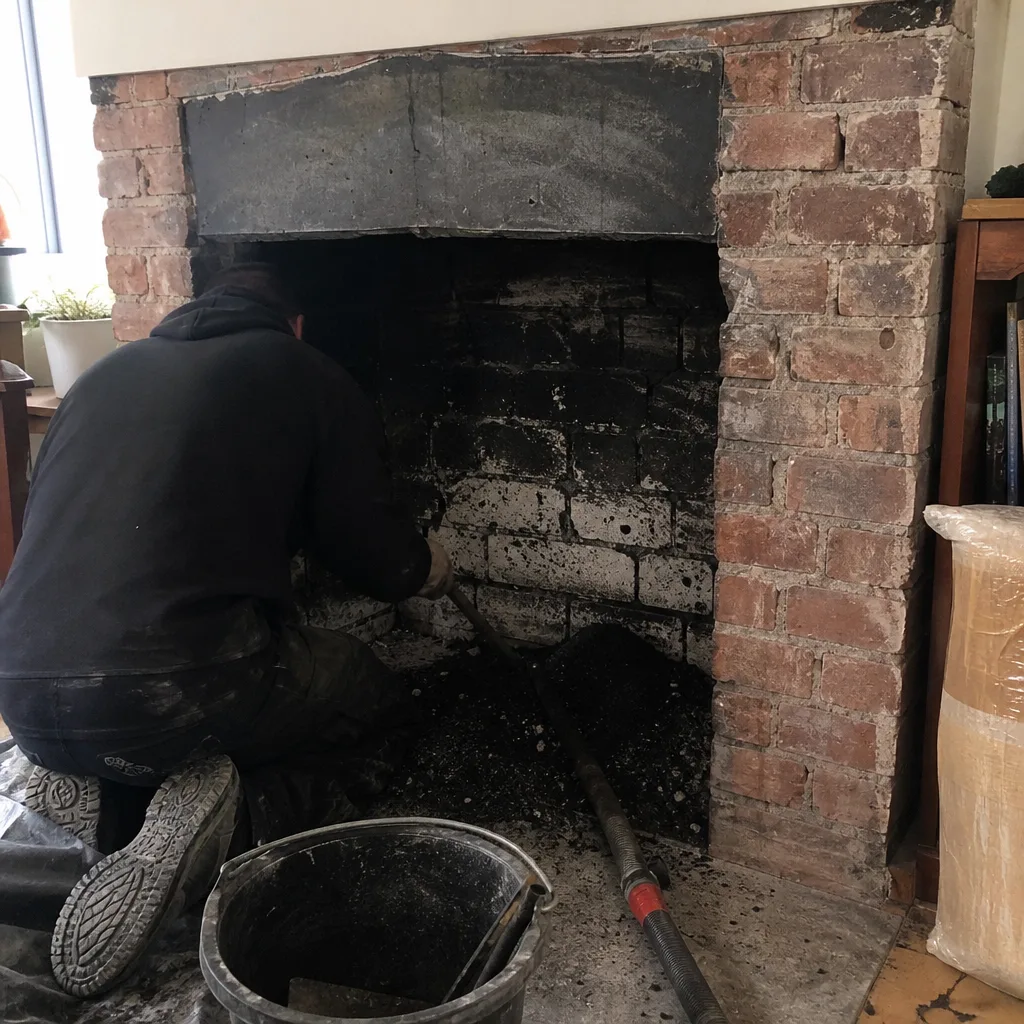 Before
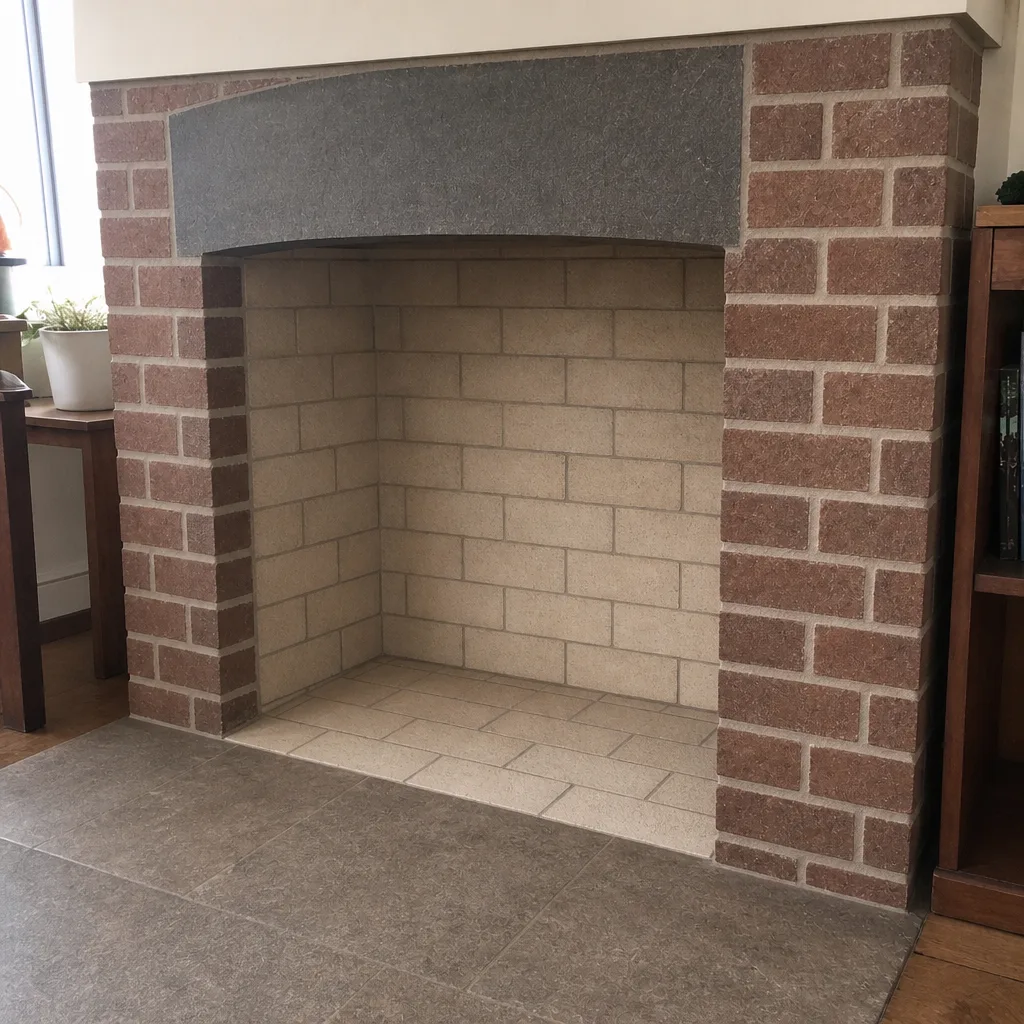 After
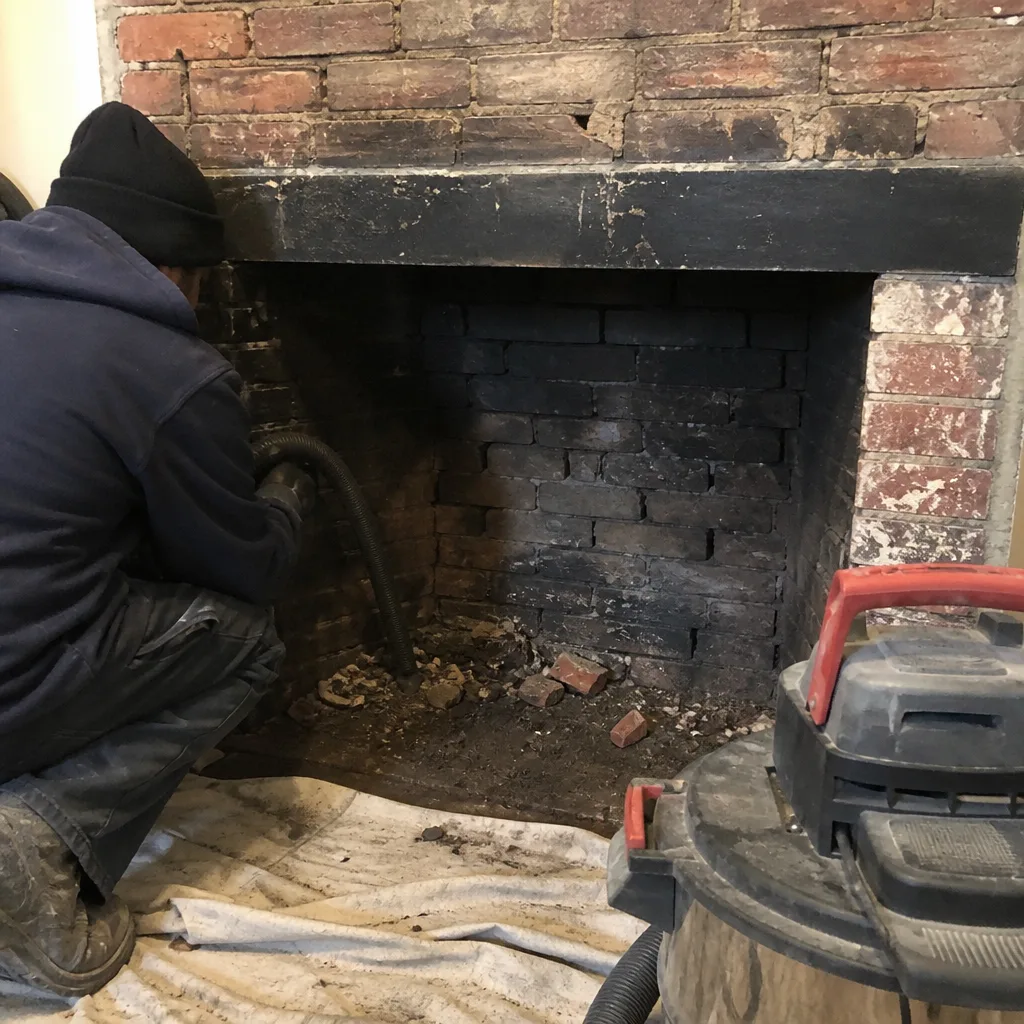 Before
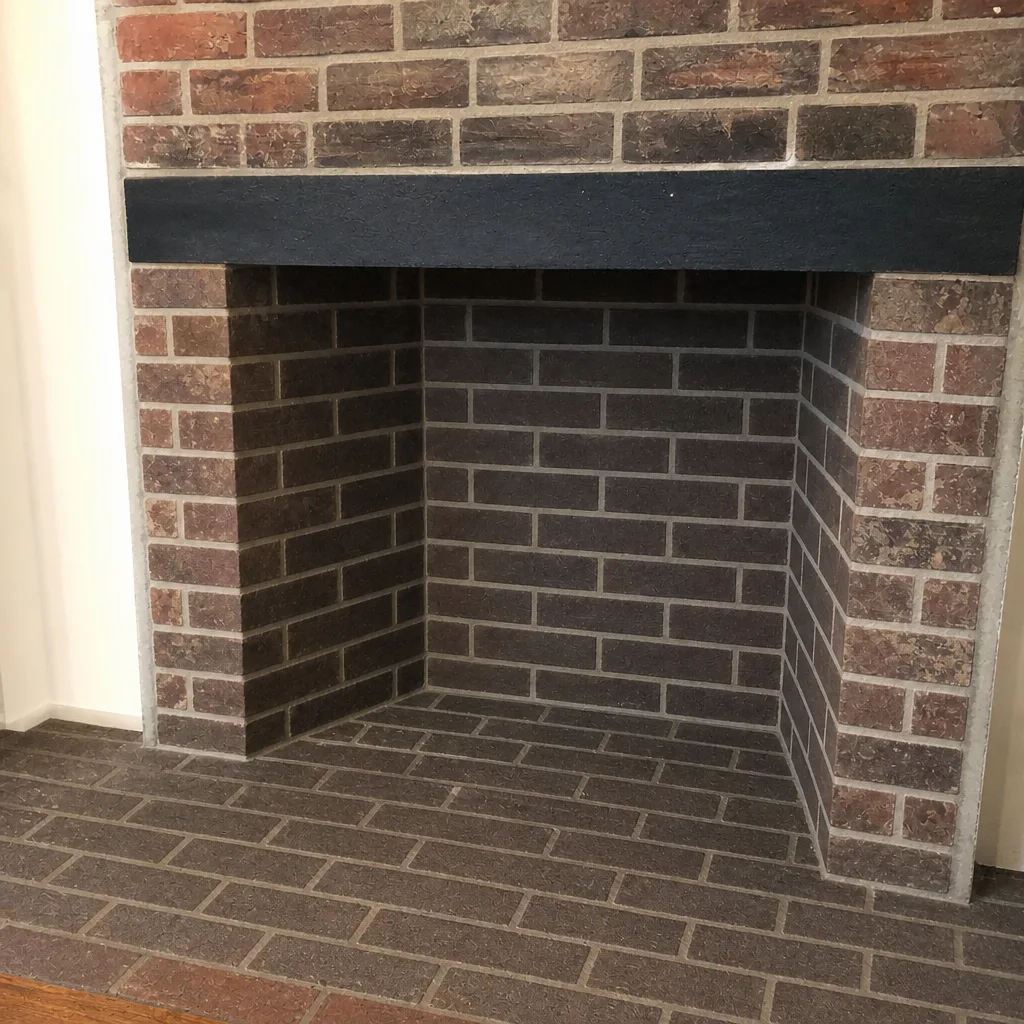 After
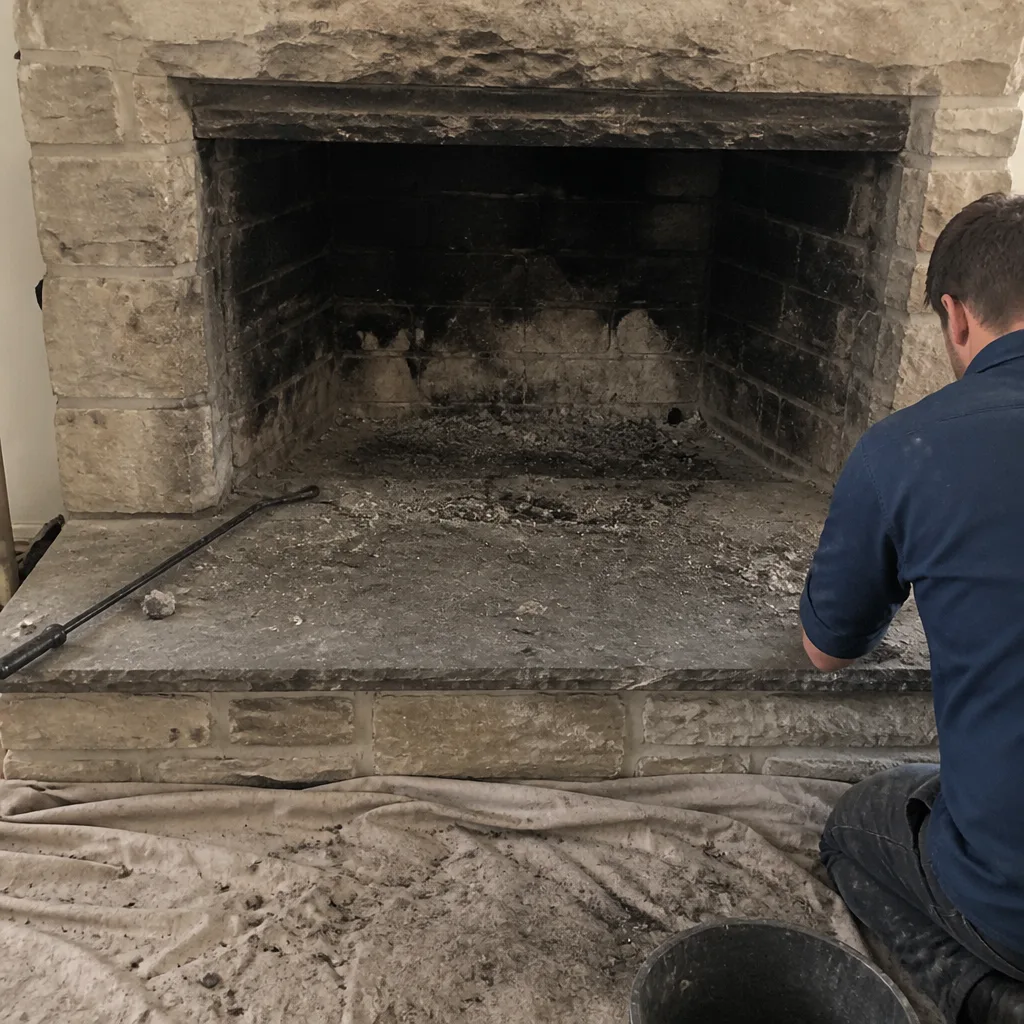 Before
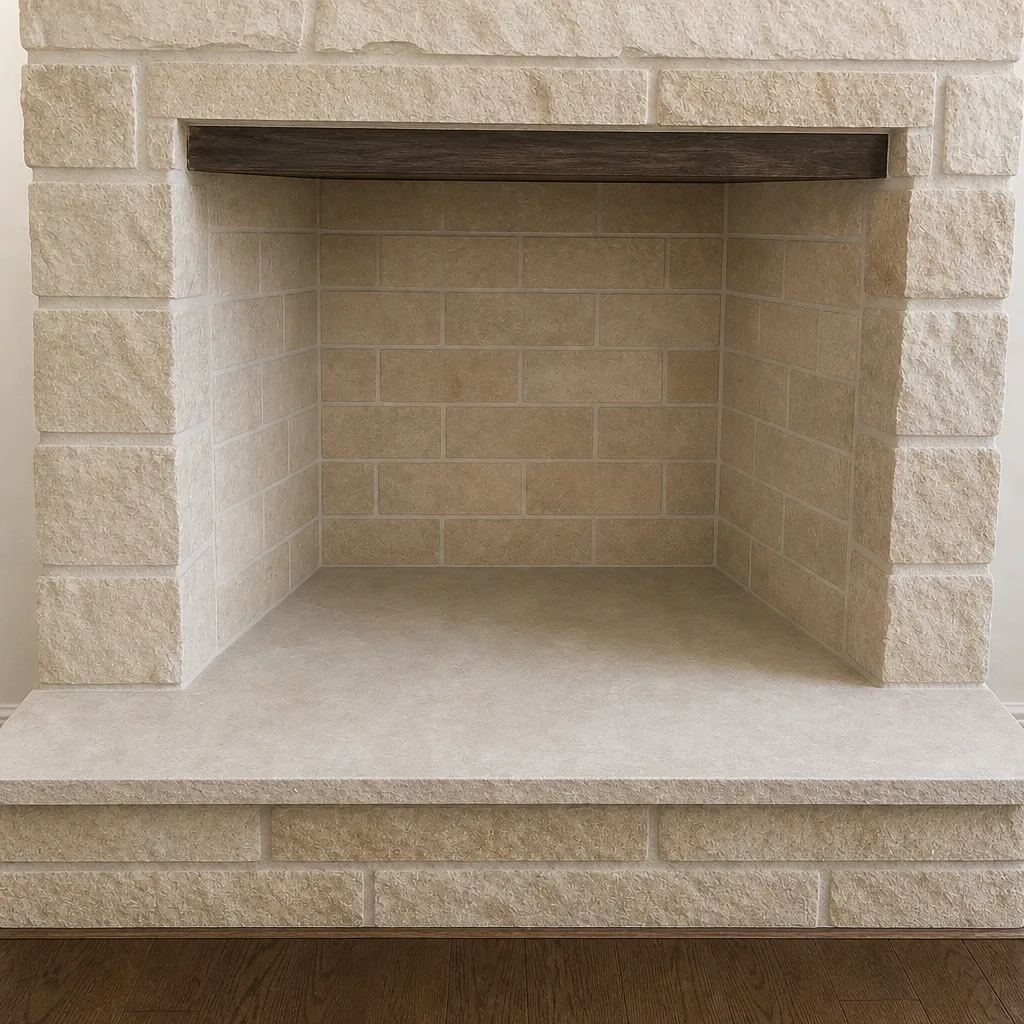 After
When to Call a Professional
A chimney isn’t a system you can inspect from the living room. Call a professional when you notice any of the following:
- You haven’t had the chimney swept in the last year and you burn wood regularly. Annual sweeping is the baseline, not a luxury.
- You notice smoke backing into the room when the fireplace is lit, which suggests a venting or drafting issue.
- You’re moving into a new East Village building and don’t know the history of the chimney. An inspection establishes the baseline.
- You see visible signs of water damage around the firebox, on the brick, or at the crown.
- You’re switching from wood to gas or adding an insert, since the existing flue may not be correctly sized for the new appliance.
- Your building has had a chimney fire, even a small one, which may have caused damage not visible from the firebox.
- You notice creosote buildup more than a quarter inch in the flue, which is a fire risk that sweeping addresses.
None of these situations requires a same-day response. They do require a professional visit. Chimney Sweep East Village offers free estimates in East Village, and we can inspect, document, and quote from the same visit. Call (844) 443-3695 to schedule.
Not every situation requires a specialist visit, but many do. The cost of skipping an inspection is often years of undetected damage, and that damage becomes expensive when it’s finally discovered. A one-hour visit now is a far more reasonable proposition than a liner replacement later.
Frequently Asked Questions
Once a year for most wood-burning appliances, and more often if you burn frequently or notice creosote buildup. The annual sweep is the baseline, and it’s the point at which the chimney gets inspected and documented. If you burn infrequently, annual sweeping may be more frequent than you need, but an annual inspection is still worth doing. East Village buildings have older flue configurations than most neighborhoods, and the annual visit is how you detect changes before they become expensive. Call (844) 443-3695 for an exact quote – estimates are free.
A standard sweep in East Village typically runs somewhere in the low hundreds, and the final price is set by the written estimate for the specific job. Camera inspection and a written condition report often come as part of a professional service and are sometimes quoted separately by lower-scope providers. The number you compare should include the components you actually need, not just the base sweep. Call (844) 443-3695 for an exact quote – estimates are free.
Ask for the CSIA certification number and confirm it’s current before you book. CSIA certification is the relevant professional credential for chimney sweeping and inspection, and it requires an exam and continuing education to maintain. A general contractor’s license does not cover this trade, so a company that cites only a contractor license is not offering the credential you’re looking for. Put the question directly on the phone call. A certified sweep will answer without delay.
Not necessarily every year, but you should have it done with enough frequency that you know the condition of the flue. Camera inspection is the only way to see into the flue interior, so without it you’re relying on a partial view. If your liner is more than a few years old or you have a wood-burning appliance, camera inspection should be part of the regular service. Every recommendation we make is backed by imagery you can see for yourself. Call us at (844) 443-3695 for a free estimate.
Creosote builds up inside the flue, and at sufficient thickness it can ignite and cause a chimney fire. Some chimney fires go out on their own; others cause structural damage to the flue and spread beyond the chimney. A neglected flue also risks carbon monoxide entering the living space if the venting is compromised. Skipping one annual sweep isn’t automatically dangerous, but skipping several is. The safest baseline is an annual visit that includes a sweep and an inspection.
Yes, if you want a written condition report that tells you what’s actually wrong and a repair path you don’t have to arrange separately. A sweep-only service cleans the flue and leaves. A full-service specialist sweeps, inspects, documents, and can complete repairs from the same company. In East Village, where older flue systems commonly have issues that only surface on inspection, that difference matters. Call (844) 443-3695 for an exact quote – estimates are free.
Ask to see the camera images and then take time to think about it. A liner recommendation should always be backed by footage you can review. If the evidence is strong, the repair is worth doing; if it isn’t, get a second opinion. Nothing in a chimney inspection requires a same-day decision unless there’s an active safety hazard, and a professional will tell you which is which. Call us at (844) 443-3695 for a free estimate – we’ll walk you through the images.
The Bottom Line
Hiring a chimney contractor in East Village comes down to verifying credentials, insisting on documentation, and comparing normalized quotes. CSIA certification is the relevant professional credential; a general contractor license is not. Camera inspection and a written condition report are the standard of care for a full-service visit. Insurance and material sourcing are fair questions to ask, and the answers tell you whether you’re dealing with a specialist or a generalist. The lowest quote usually reflects a narrower scope, not a better deal, and in an older East Village building the scope you skip is often the work that actually matters. Use the five questions in this guide, work through the eight-step process, and compare quotes on components rather than totals. When you’re ready to schedule, call Chimney Sweep East Village at (844) 443-3695 for a free estimate. We answer 24/7, with fast dispatch from 7am to 7pm.
Written by the team at Chimney Sweep East Village.